
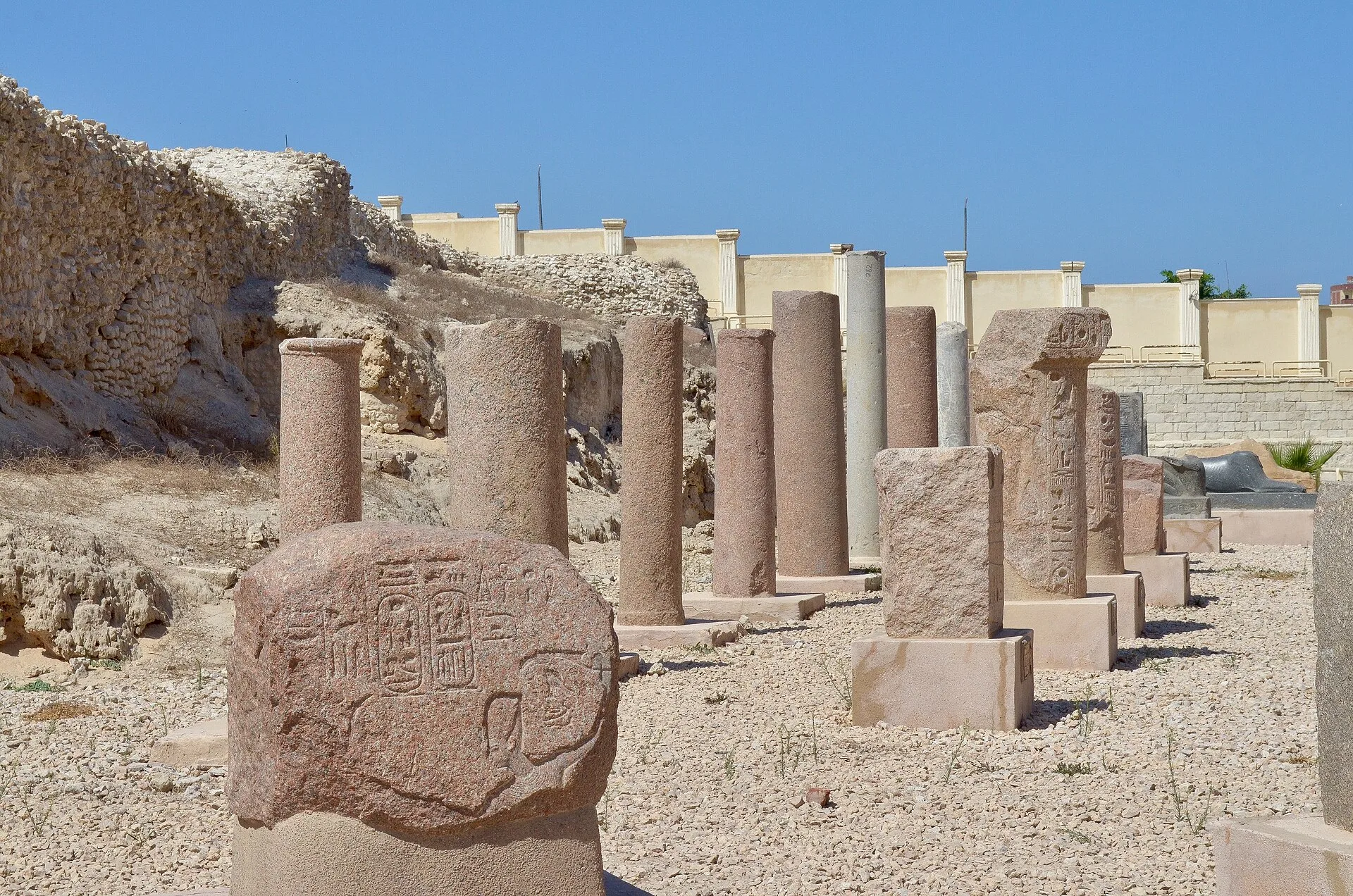
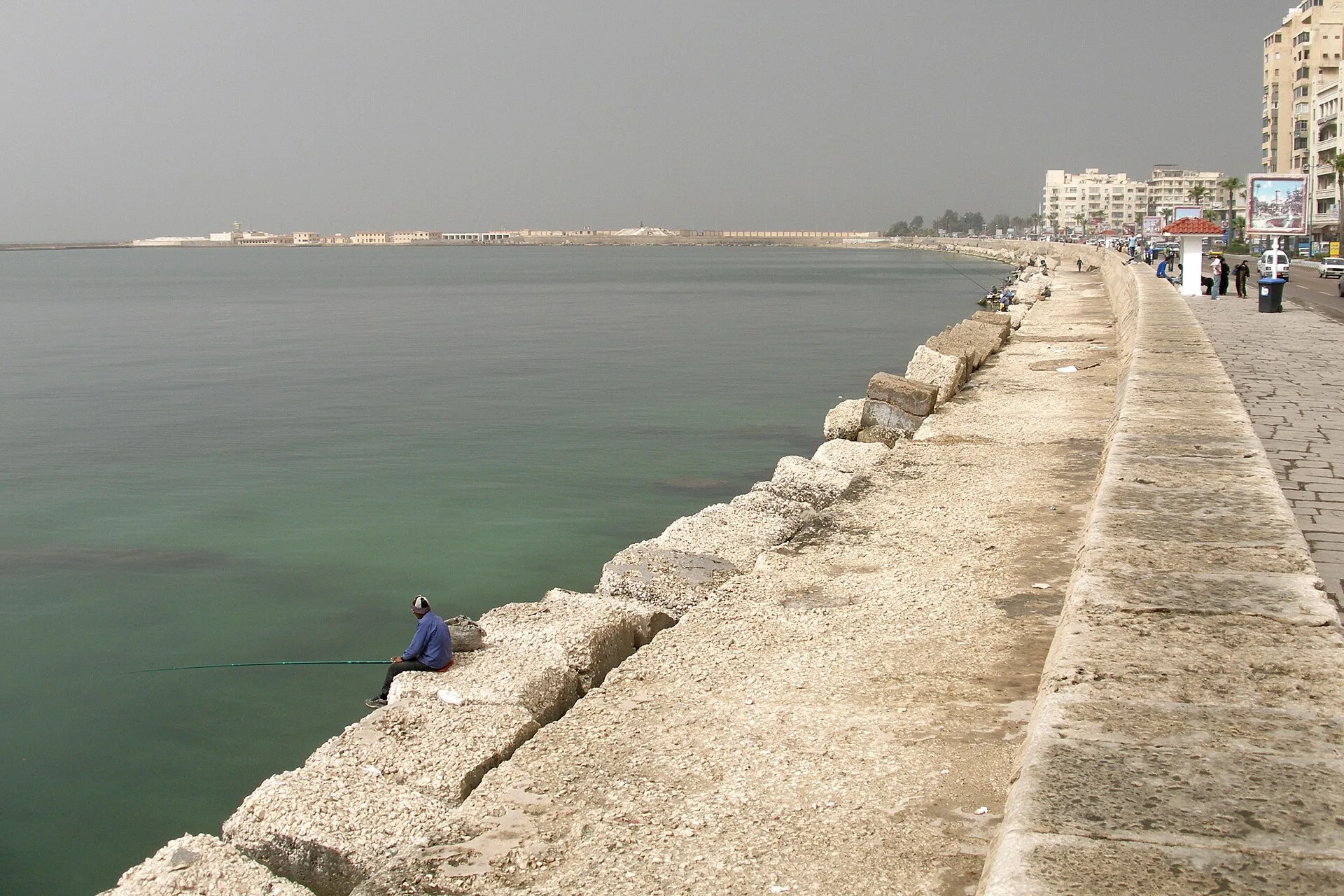
Alexandria sits on Egypt's Mediterranean coast, about 220 km north of Cairo, and it feels like a different country from the Nile Valley: Greco-Roman ruins, a long sea-facing Corniche, and a faded European elegance left over from the early twentieth century. The things to do in Alexandria Egypt centre on four or five sights that can be covered properly in a single day, or spread more comfortably across two, which makes the city an easy and worthwhile add-on to a Cairo trip rather than a destination that needs a week of its own.
Founded by Alexander the Great in 331 BC, the city was for centuries the Mediterranean's intellectual capital, home to the ancient Library of Alexandria and the Pharos lighthouse, one of the seven wonders of the ancient world. Almost nothing of that first city survives above ground, but the city's later Roman and medieval history is marked by three sights that are now Alexandria's biggest draws, along with a modern library that carries the old name forward.
Top things to do in Alexandria Egypt
Four sights account for most of a visit, and they sit in a rough line along or near the coast, which makes them simple to sequence in one day with a driver or guide. Most visitors start at the harbour and work inland, finishing back on the Corniche by late afternoon.
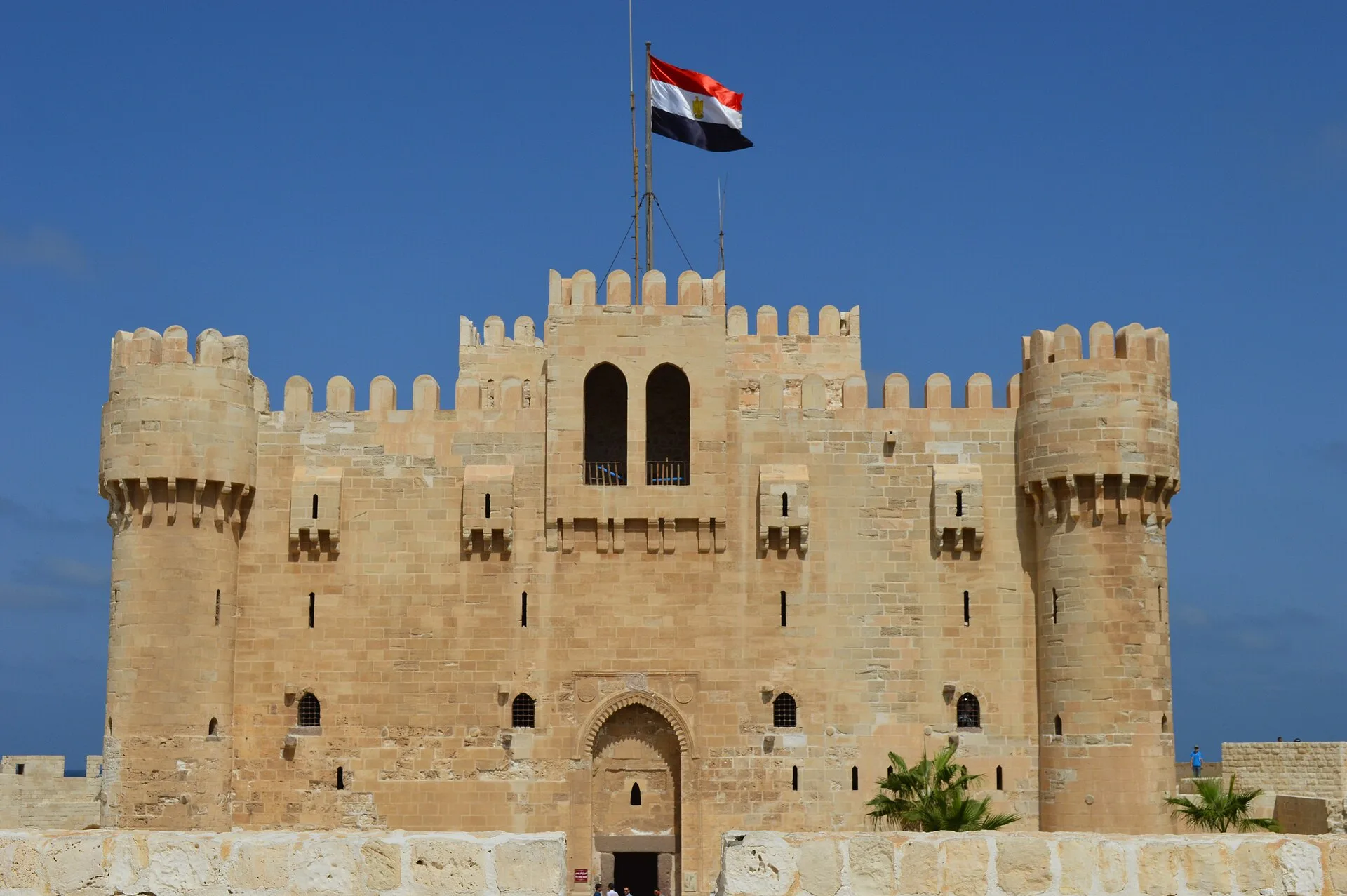
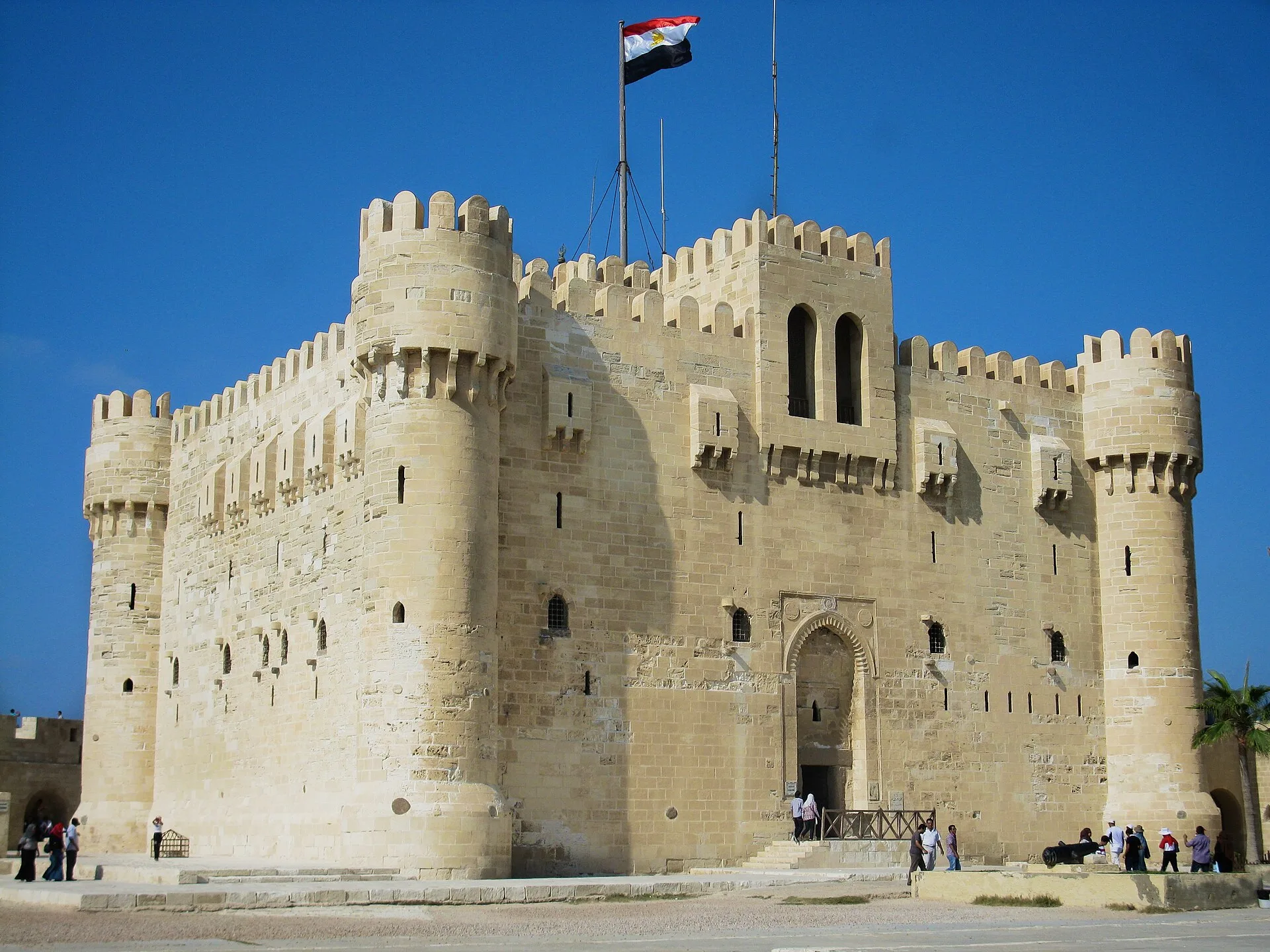
Citadel of Qaitbay
This fifteenth-century fort stands at the tip of the Eastern Harbour, on the site where the Pharos lighthouse once stood. Partly built with stone from the ruined lighthouse, it is a compact, photogenic fort with sea views from its upper levels. Allow 45 minutes to an hour, more if the light is good and you want to walk the harbour wall. Arriving soon after opening avoids the heaviest heat on the exposed walkways and gives better light for photographs out over the water.
Catacombs of Kom El Shoqafa
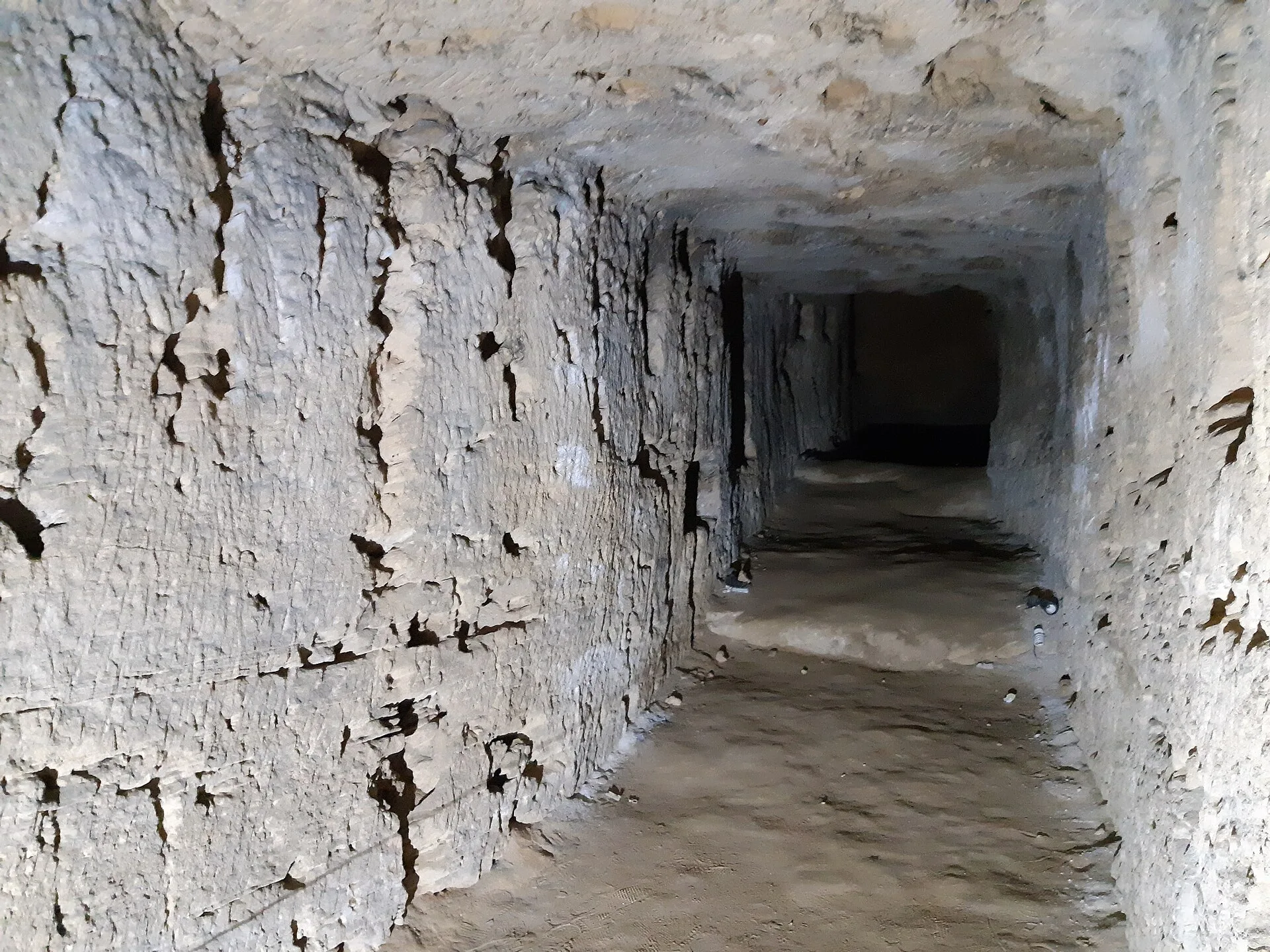
A short drive inland, this is Alexandria's most unusual sight: a three-level rock-cut tomb complex from the Roman period, where Egyptian, Greek and Roman funerary styles sit side by side in the same carved chambers. Stairs spiral down around a central shaft to a main burial hall, and the lower level floods periodically so it is not always open. Budget around an hour, including the walk down and back up; wear flat, grippy shoes since the stone steps are worn smooth.
Pompey's Pillar
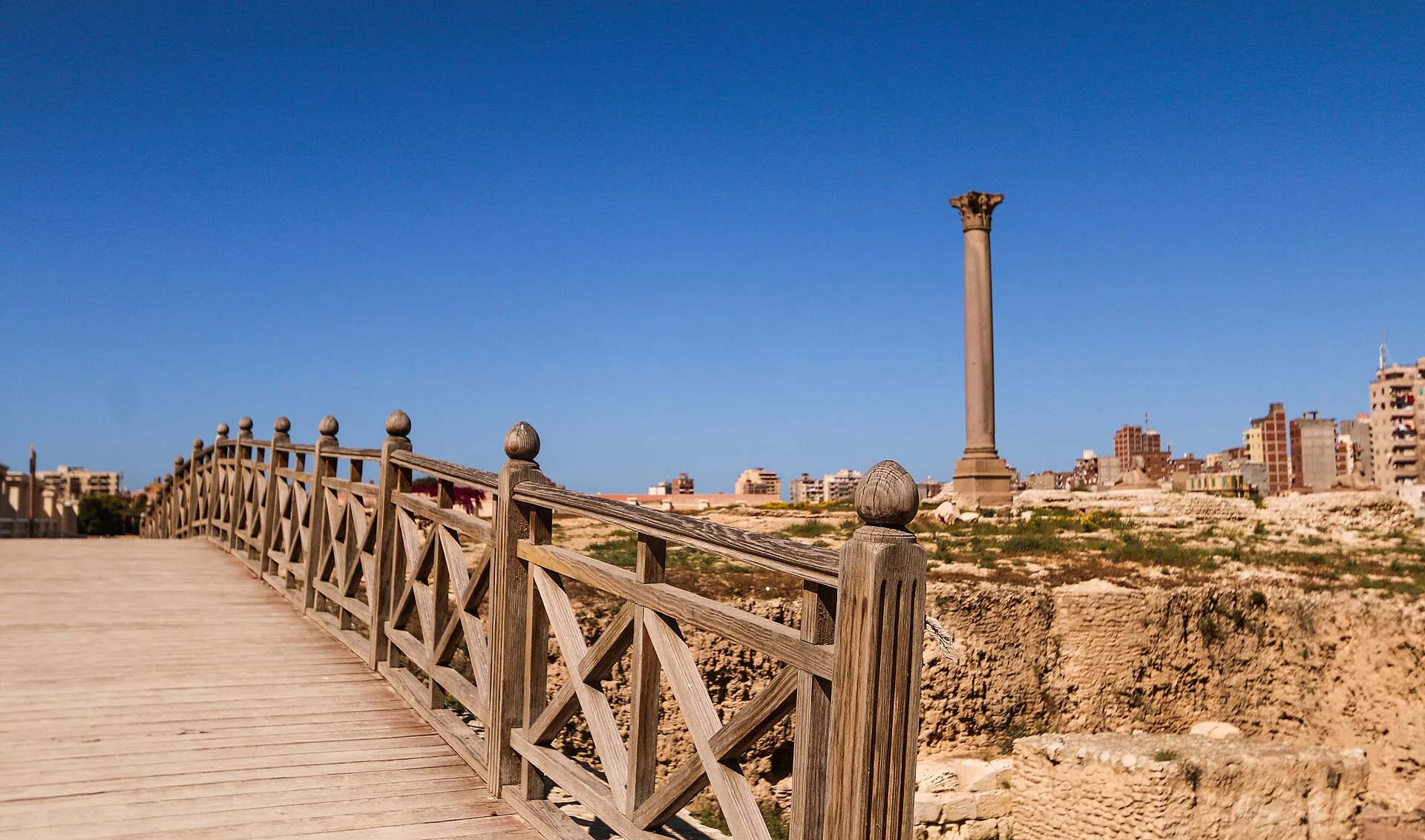
Close to the catacombs, this red granite column rises nearly 27 metres above the site of the ancient Serapeum, a temple complex of which only foundations and underground galleries remain. The pillar itself (despite the name, it has nothing to do with Pompey) is the most recognisable image of Roman Alexandria. Pair it with the catacombs visit since they are only a few minutes apart by car; 30 to 45 minutes is enough, including a look at the underground passages and the pair of stone sphinxes nearby.
Bibliotheca Alexandrina
On the Corniche, this modern library and cultural centre was built as a conscious successor to the ancient Library of Alexandria, with a vast reading room, a planetarium and several small museums inside. It is as much an architectural statement as a working library, with a tilted disc of a roof facing the sea. Give it an hour for the main hall and exhibits, longer if a particular museum inside interests you or if you want time in the manuscript and antiquities displays.
Worth adding if time allows
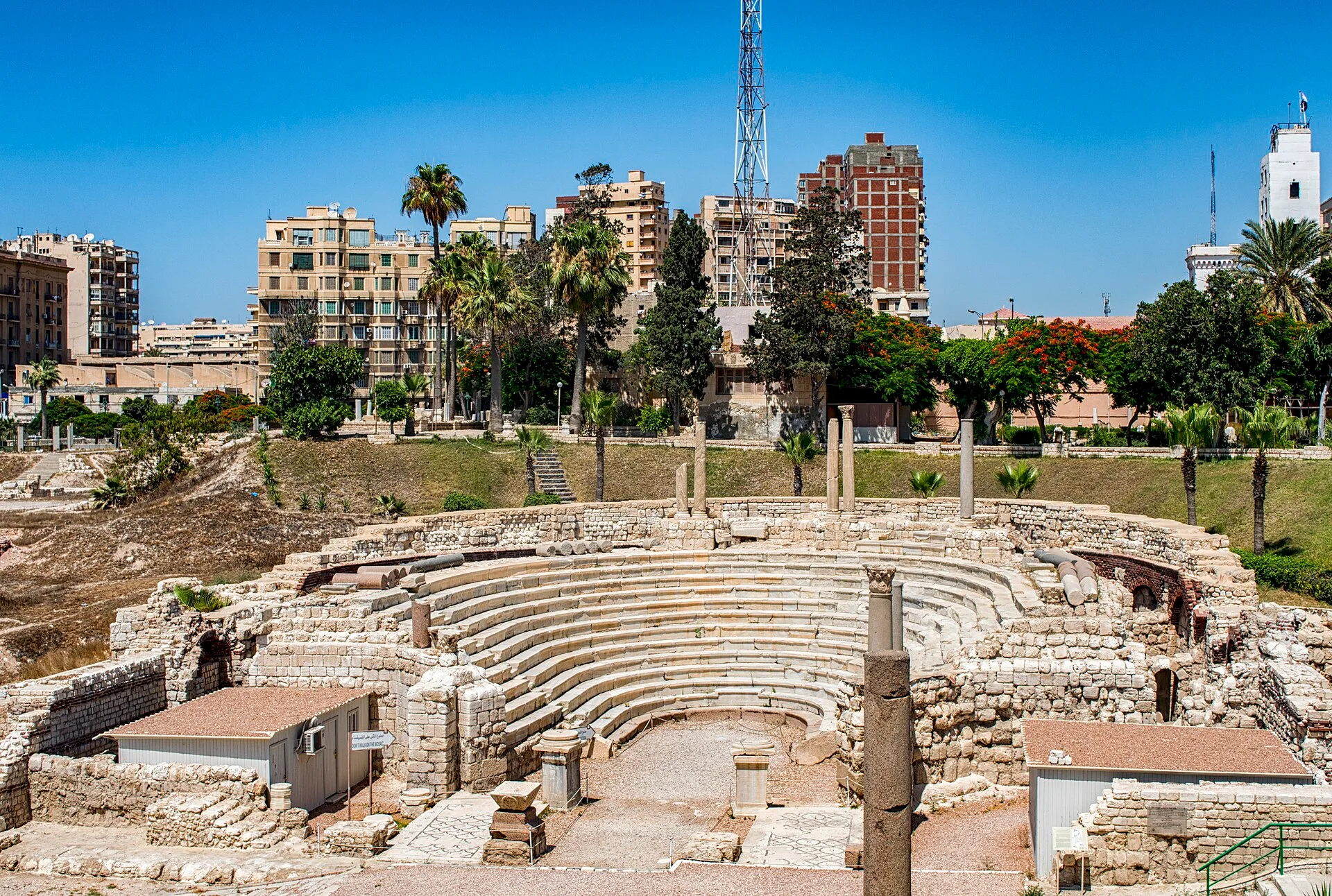
- The Roman Amphitheatre at Kom El Dikka, a small, well-preserved marble theatre a short drive from the catacombs.
- The Royal Jewellery Museum, housed in a former royal palace, for Muhammad Ali dynasty pieces.
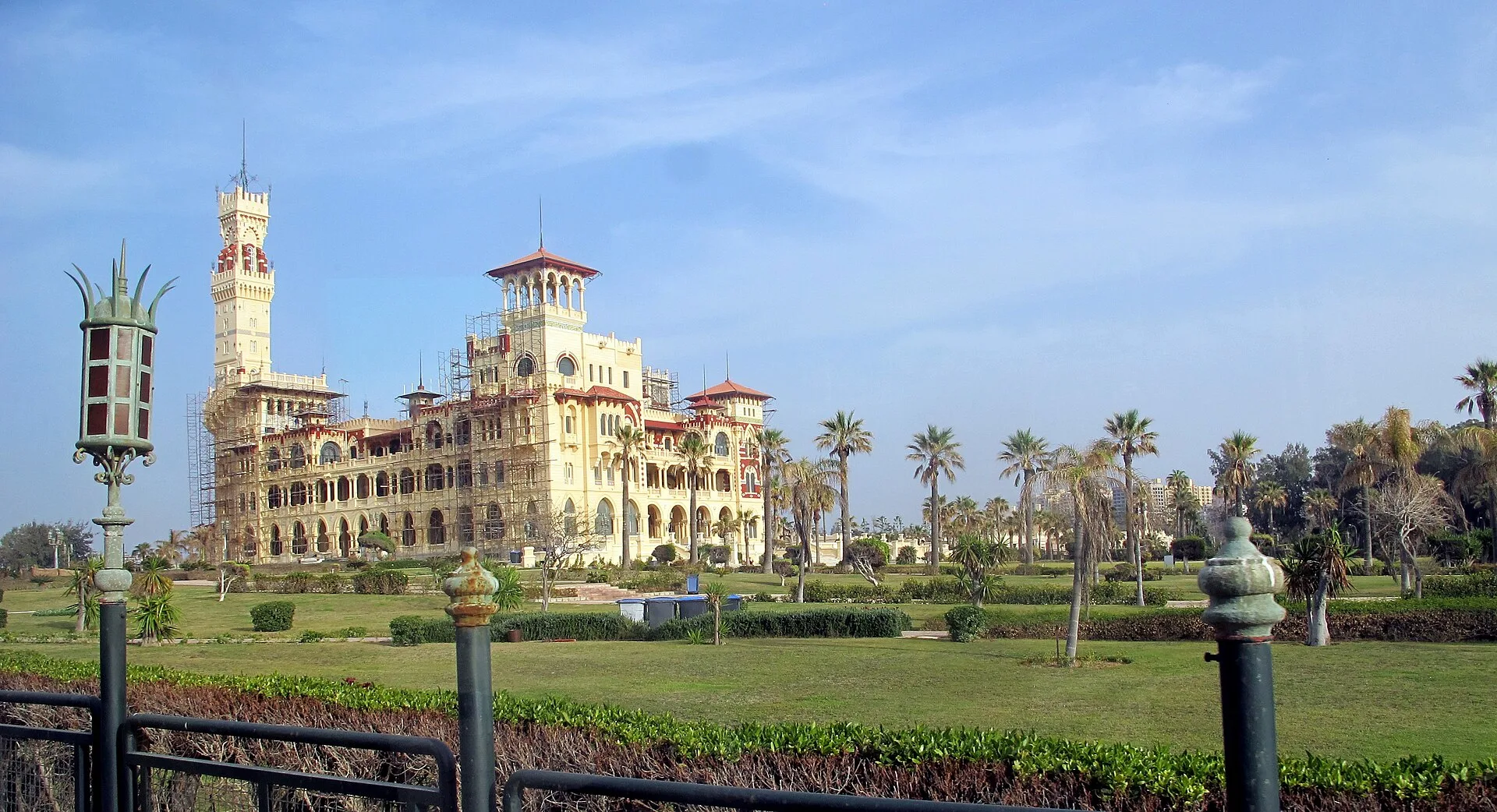
- Montazah Gardens, the former royal palace grounds on the eastern edge of the city, good for a slower afternoon by the sea.
- The waterfront fish restaurants near the Eastern Harbour, a good stop for a late lunch between the Citadel and the catacombs.
How many days in Alexandria do you need?
One full day, arriving early and starting with the Citadel before the heat builds, is enough to see the Citadel of Qaitbay, the Catacombs of Kom El Shoqafa, Pompey's Pillar and the Bibliotheca Alexandrina in a logical loop, with lunch somewhere along the Corniche. Two days suits travellers who want to add Kom El Dikka, the Royal Jewellery Museum or Montazah Gardens, or who simply prefer a slower pace with an overnight stay rather than a return drive to Cairo the same evening. Alexandria does not need the three or four days that Luxor or Cairo warrant; it rewards a focused visit rather than a long one. Travellers with a particular interest in the Greco-Roman period, or anyone who wants an evening by the sea after days inland at the temples, get the most value from the second day.
Best time to visit Alexandria
April, May, September and October bring mild temperatures and little rain, which makes them the most comfortable months for walking the Corniche and spending time outdoors at Pompey's Pillar or the Citadel. Summer (June to August) is hot, though the sea breeze takes the edge off compared with Cairo or Luxor inland, and the city is busy with Egyptian holidaymakers escaping the heat further south. Winter (December to February) is cooler and brings most of the city's rainfall, which makes it one of the wettest places in Egypt, so pack a layer and a light rain jacket if travelling then. For a broader look at weather across the whole country by month, the season-by-season guide to visiting Egypt is a useful companion piece.

Getting from Cairo to Alexandria
A private car or organised day tour takes roughly two and a half to three hours each way along the desert road, and is the most flexible option since it allows the driver to sequence the sights in whatever order suits traffic and timing. The train is a comfortable fixed-schedule alternative, running from Cairo's Ramses Station to Alexandria's Misr Station in the city centre, a short distance from the main sights and hotels. Intercity buses also connect the two cities and take a similar amount of time to the car journey, though timings are less predictable than the train. Those combining both cities often start in Cairo, since most flights into Egypt arrive there; the Cairo destination guide covers the Pyramids, the Grand Egyptian Museum and the city's other sights.
Getting around Alexandria
The main sights are spread along or near the Corniche and are best covered by car or taxi rather than on foot, since the distances between the Citadel, the catacombs area and the Bibliotheca are a few kilometres each. A private driver or guided tour saves the back-and-forth of arranging taxis between stops and is how most Panda Travel Egypt programmes handle the day. Walking is pleasant for short stretches of the Corniche itself, particularly around Saad Zaghloul Square and the Eastern Harbour, and it is worth setting aside half an hour simply to walk the seafront between the Citadel and the main square.
Where to stay in Alexandria
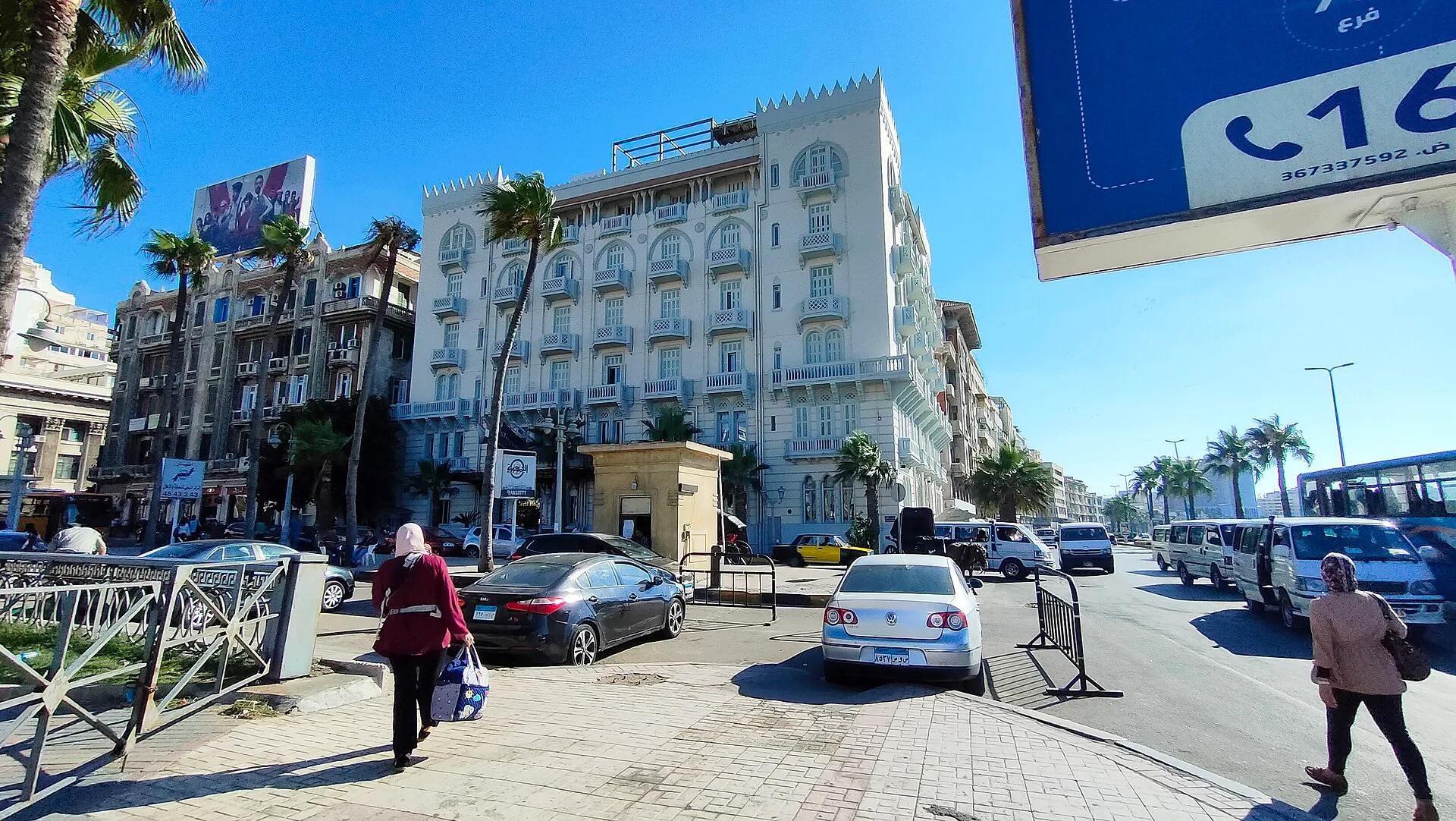
The Steigenberger Cecil Hotel Alexandria stands on Saad Zaghloul Square in Raml Station, facing the Eastern Harbour across the Corniche, inside a Moorish-style building dating from the 1920s. Its central, waterfront position puts it a short drive from the Citadel of Qaitbay and the Bibliotheca Alexandrina, and it suits travellers who want to base themselves in the historic heart of the city for an overnight stay rather than a same-day return to Cairo.
Programmes that include Alexandria
Several Panda Travel Egypt itineraries combine Cairo and Alexandria rather than treating Alexandria as a stand-alone trip, which suits the way most travellers actually use their time: Cairo's pyramids and museums first, then a day or two on the coast. Egypt Adventure: Cairo & Alexandria covers five days taking in the Citadel of Salah El Din, Khan El Khalili, the Pyramids and the Grand Egyptian Museum alongside Alexandria's Greco-Roman sights. Discover Egypt's Soul: Cairo & Alexandria is a four-day private tour built around the same two cities, with a licensed Egyptologist guide throughout. All sit within the wider range of Egypt tour packages Panda Travel Egypt runs across the country, and readers planning Cairo's own sights in more depth may find the companion piece on Cairo and Giza: the Pyramids, the Sphinx and the Grand Egyptian Museum useful for sequencing the Cairo half of the same trip.
