Cairo is Egypt's capital and the gateway most travellers use to reach the rest of the country, but it holds enough on its own to fill three or four days without a single repeated sight. The Giza Pyramids and the Sphinx sit on the city's western edge, the new Grand Egyptian Museum stands close to them, and the old city centre holds the Egyptian Museum, Coptic churches, a historic synagogue and the minarets of Islamic Cairo. The question most travellers planning a trip ask is not whether Cairo is worth the time, but how to sequence things to do in Cairo so the travel time between sights does not eat into the time spent actually looking at them.
The short answer: group sights by location rather than by subject. Giza's plateau, the Grand Egyptian Museum and Saqqara sit on the western side of the city and are best done together over one or two days. Downtown, Islamic Cairo and Old Cairo sit on the eastern side and suit a different day. Treating Cairo as two zones, rather than one long list, is what separates an easy itinerary from a tiring one.
Things to do in Cairo: the sights that matter most, and how long each takes
Not every sight in Cairo deserves equal time, and knowing which ones to linger over changes how the days fit together. The list below covers the sights that come up again and again when travellers ask what to prioritise, in roughly the order a well-planned itinerary would visit them.
The Giza Pyramids and the Sphinx
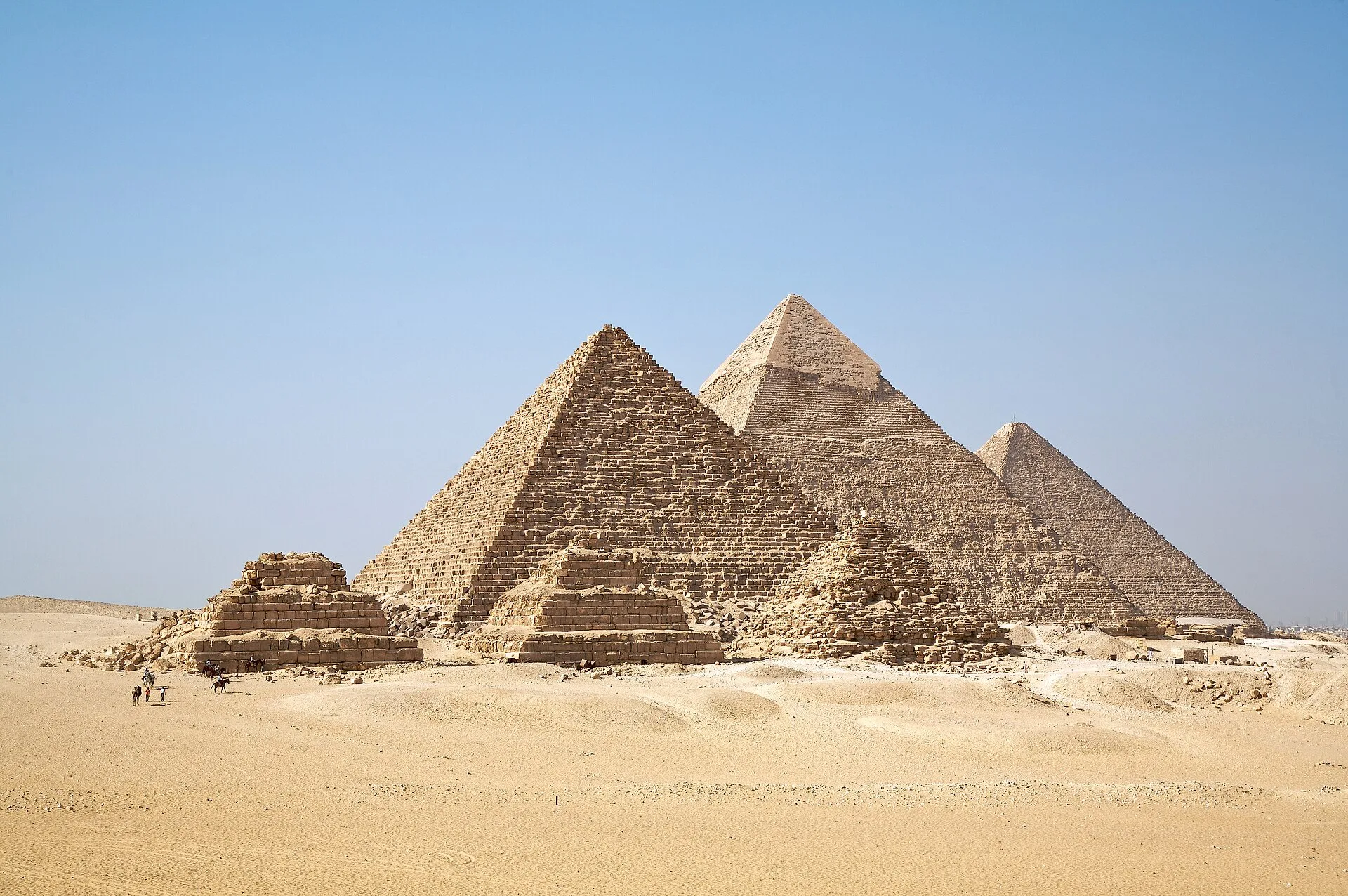
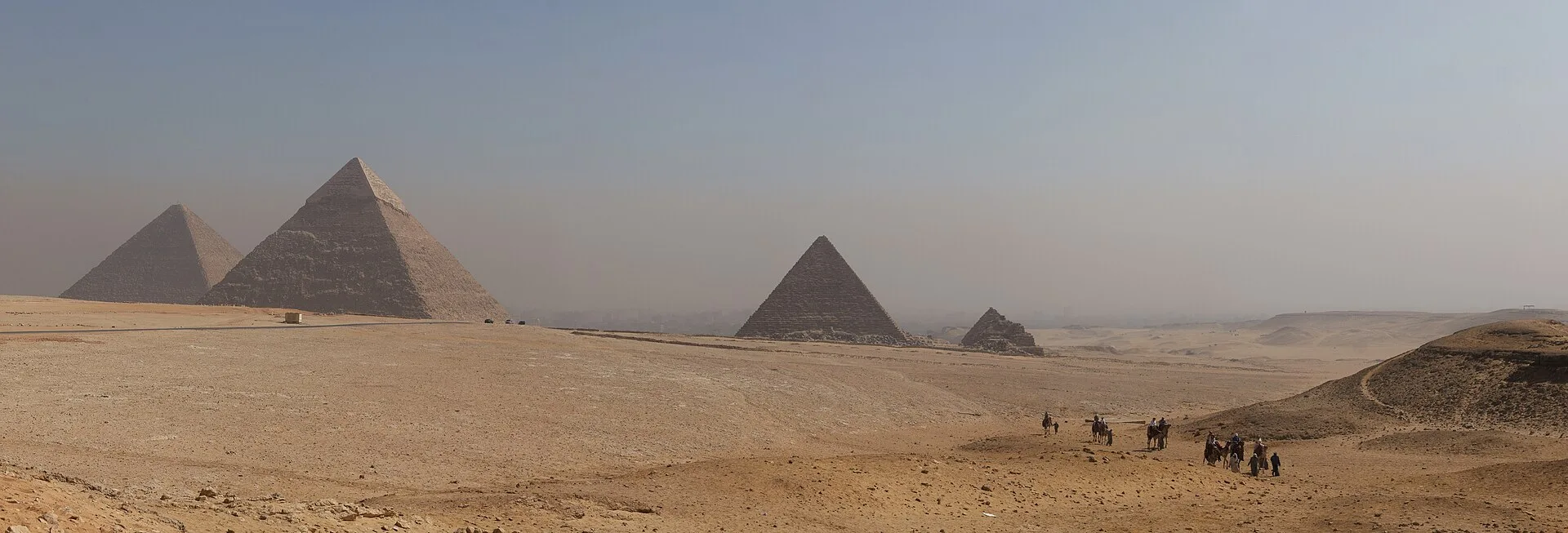
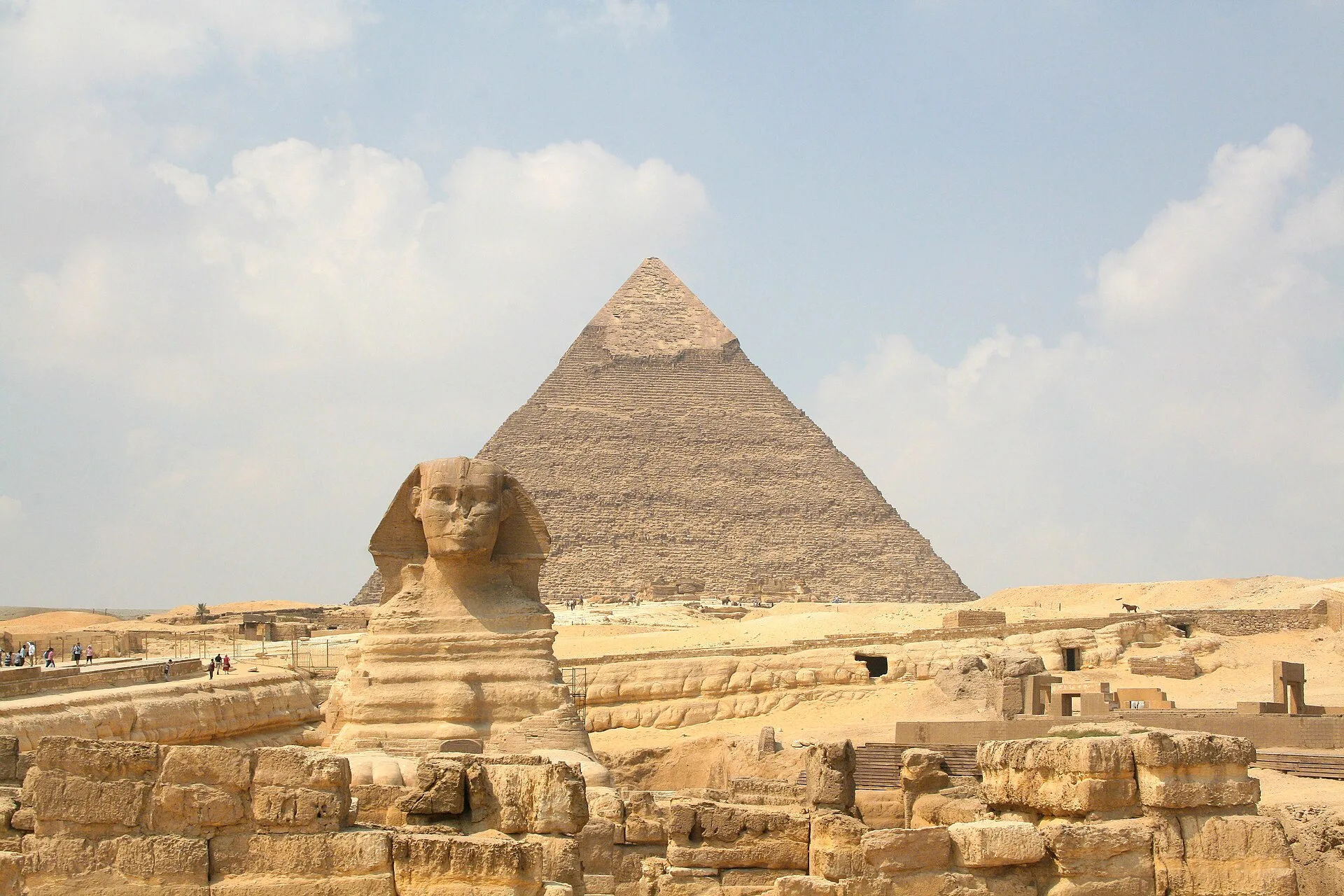
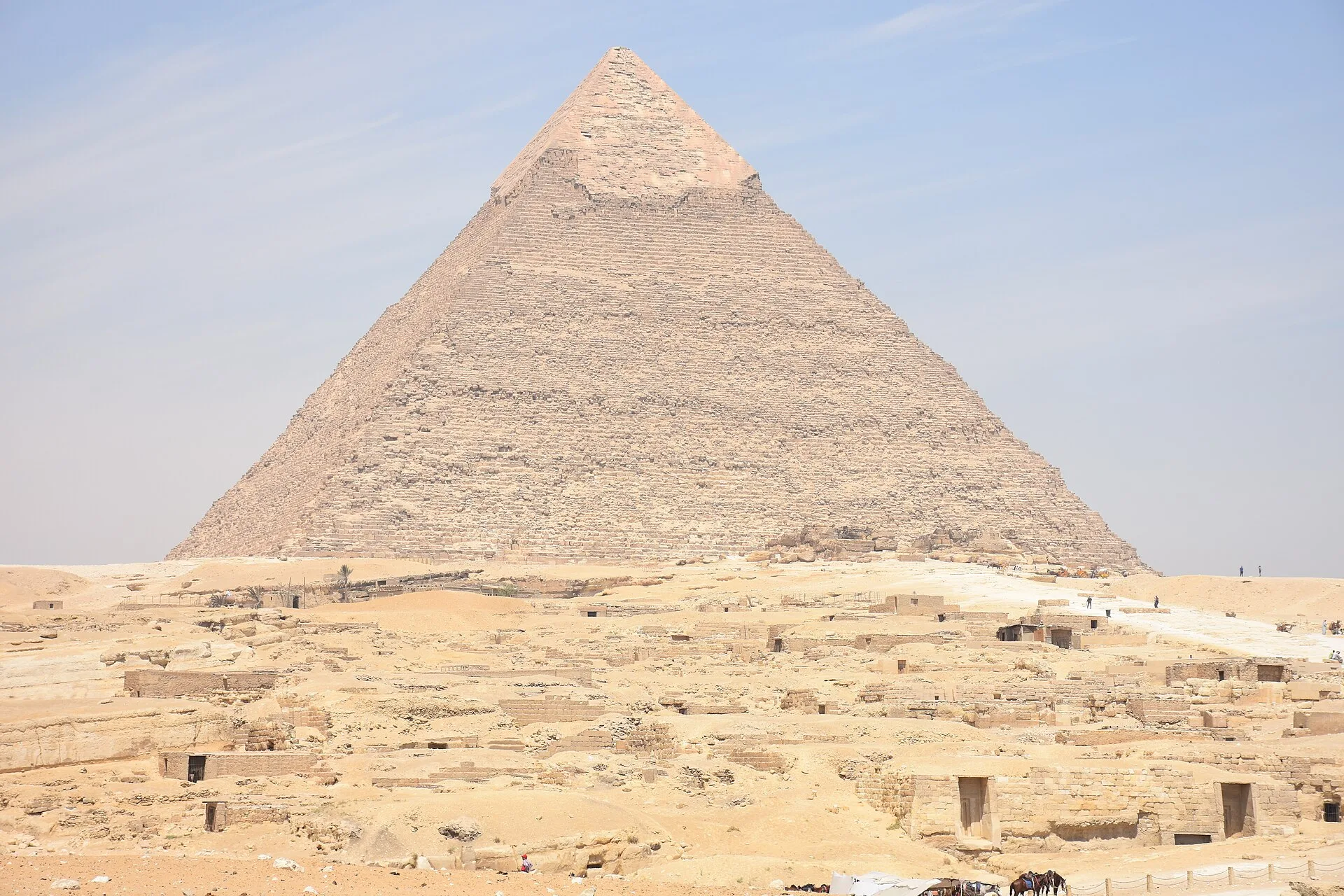
The Great Pyramid, the Pyramid of Khafre, the smaller Pyramid of Menkaure and the Sphinx sit on one plateau at the edge of the city. A visit of three to four hours covers the main viewpoints, the Sphinx enclosure and time inside one pyramid chamber for those who want it. Arriving as early as the site allows avoids both the heat and the busiest hours later in the day, and the light is better for photographs. Camel or horse rides around the plateau can add another half hour or more, and a wide-brimmed hat and comfortable closed shoes make the walk between the pyramids far more pleasant than sandals on loose sand and stone.
The Grand Egyptian Museum
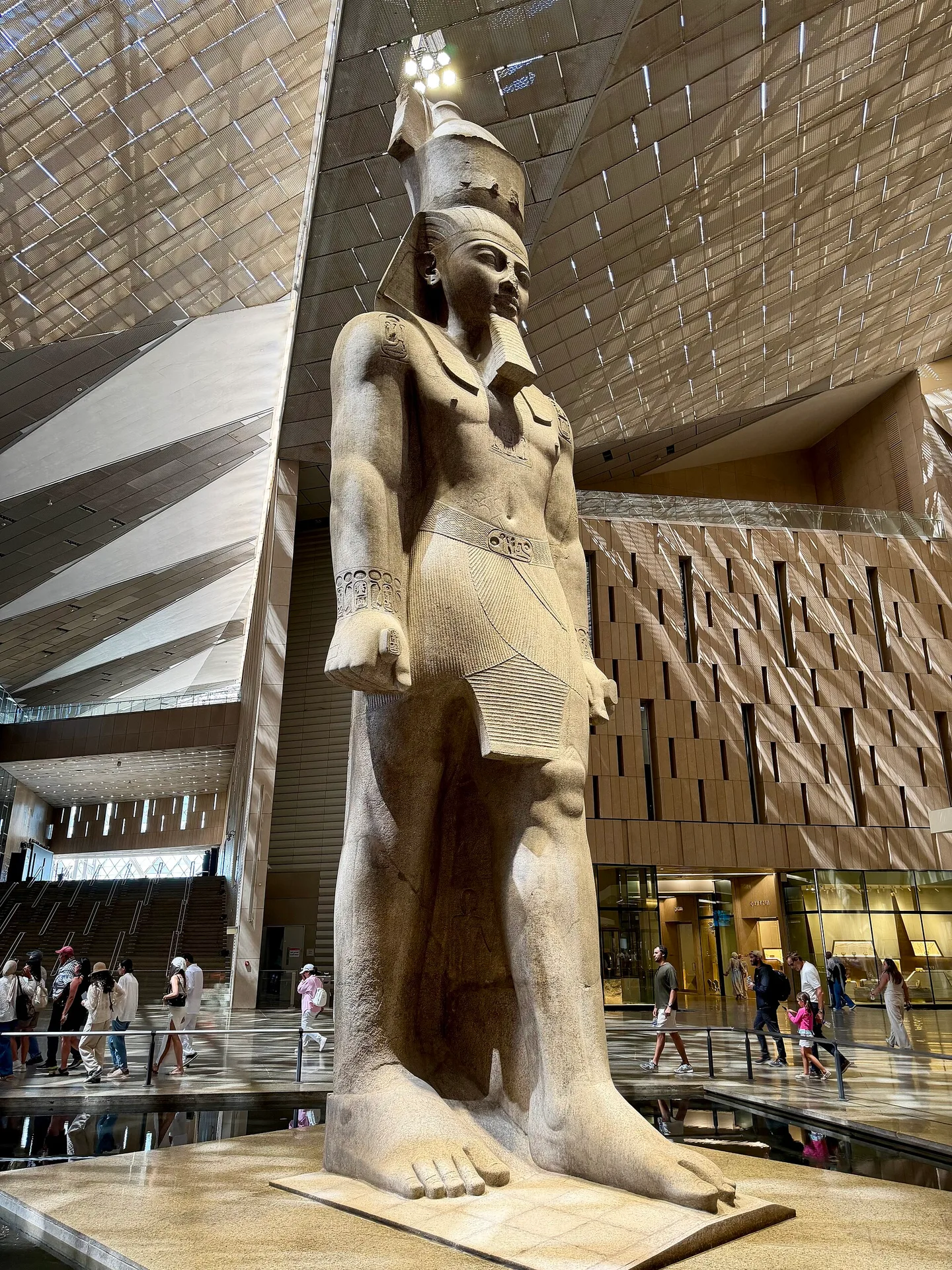
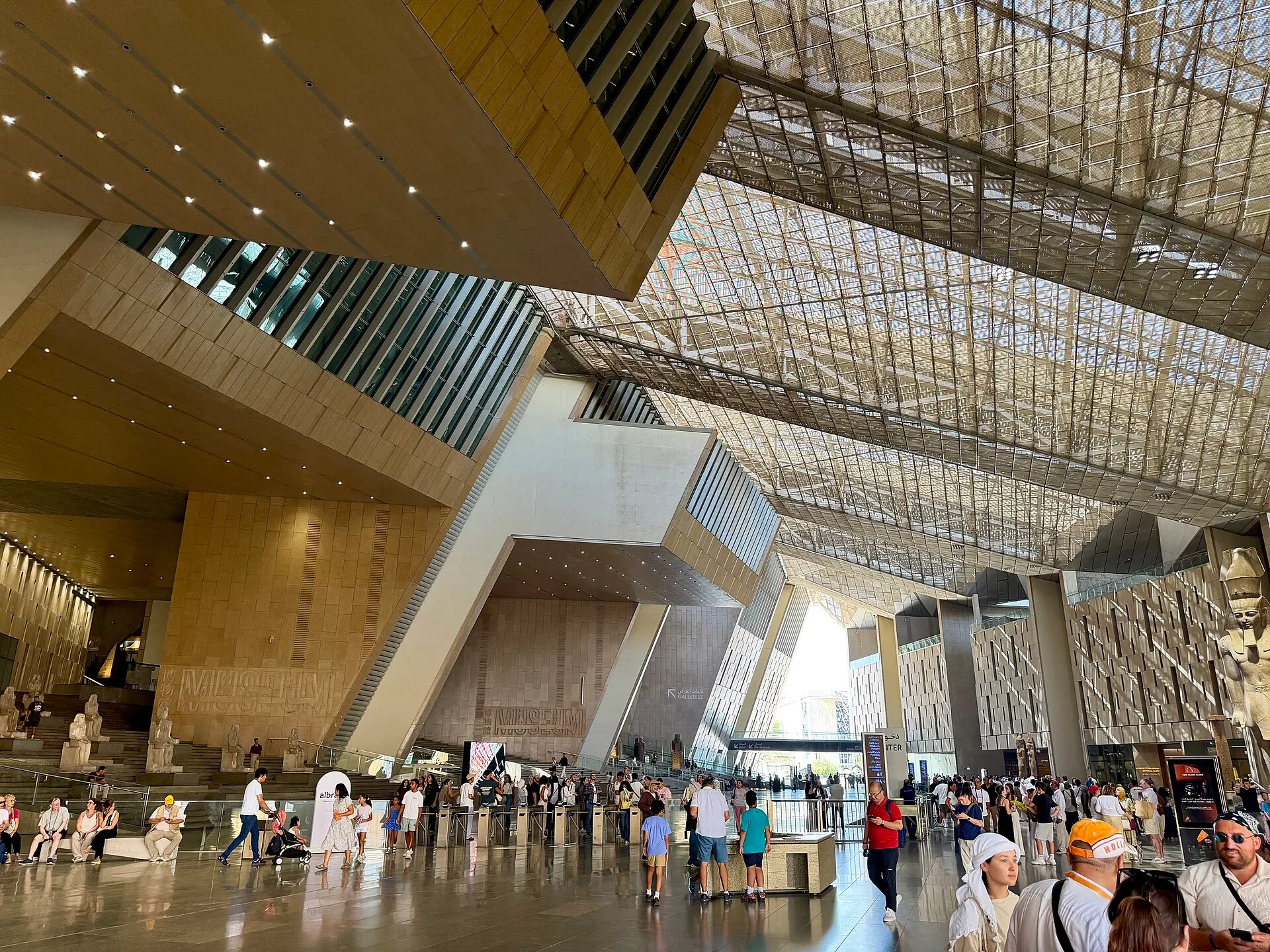
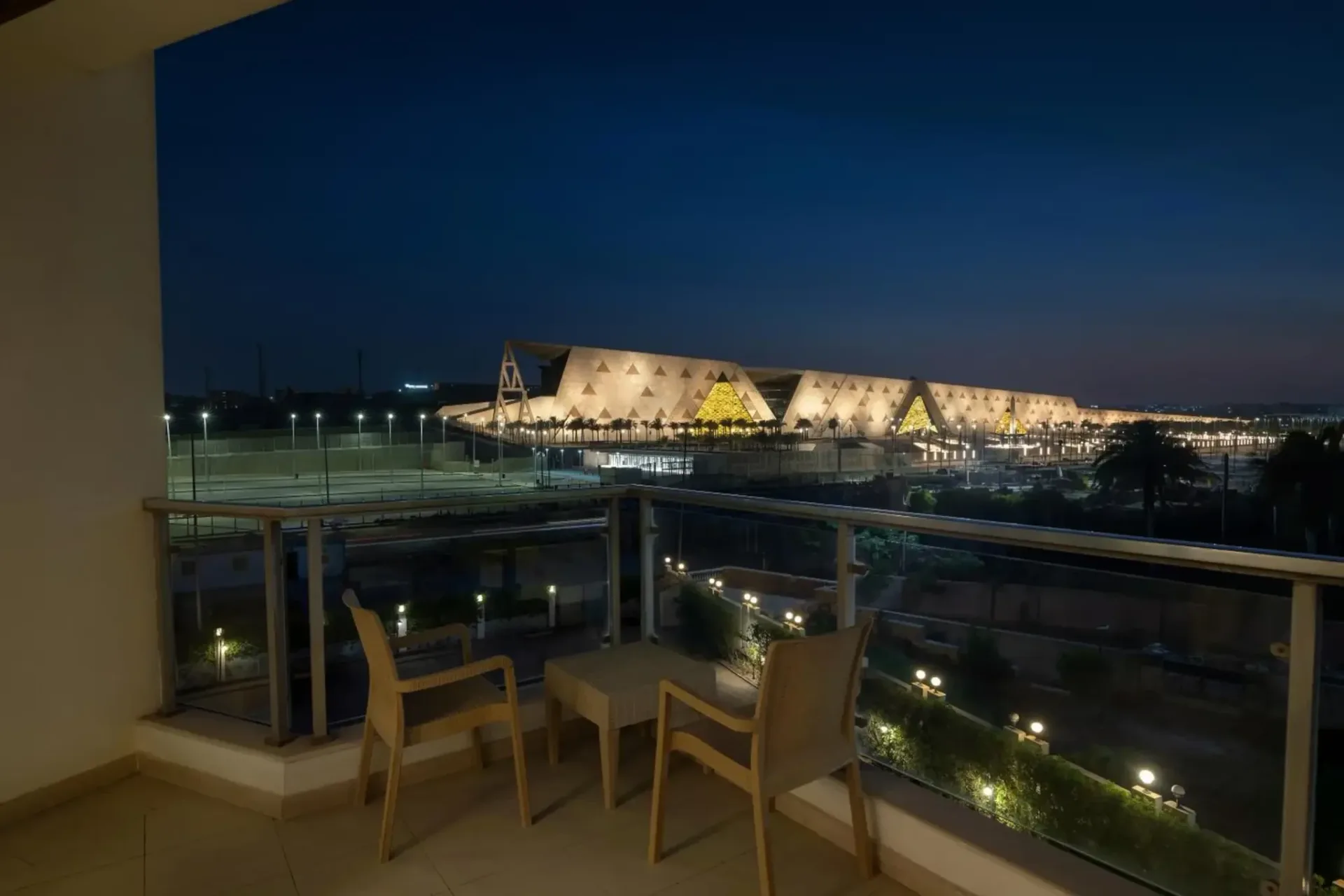
The Grand Egyptian Museum, close to the Giza plateau, holds the full Tutankhamun collection along with thousands of other artefacts across galleries that trace Egyptian history in order. A half day is the practical minimum; visitors with a deep interest in ancient Egypt often give it a full day. Because of its scale, it works best as its own half day rather than squeezed onto the end of a pyramid visit. A dedicated guide to the Pyramids, the Sphinx and the Grand Egyptian Museum covers the order of galleries and the plateau in more detail.
Saqqara and Dahshur
Saqqara, home to the Step Pyramid of Djoser, the earliest of Egypt's great stone monuments, lies a further drive south of Giza. Dahshur's Bent and Red Pyramids sit beyond that again. Both can be added to a Giza day for travellers with an early start and a private driver, though visitors with only one day in the area usually give the plateau and museum priority. Saqqara in particular rewards even a short stop, since its surrounding tombs and the Imhotep Museum on site give useful context for the pyramids seen earlier in the day.
The Egyptian Museum and Old Cairo
The Egyptian Museum in Tahrir Square, still home to tens of thousands of objects from the Narmer Palette to the treasures of Tanis, rewards a half day on its own; the royal mummies are now at the National Museum of Egyptian Civilization in Fustat, a short drive away. A short drive south, Old Cairo holds the Hanging Church, the Church of St Sergius and the Ben Ezra Synagogue within walking distance of one another, making a compact and unhurried half day. Combining the two in one day works well, since the museum suits a morning visit before the midday heat and Old Cairo's churches are shaded and cool through the afternoon.
Islamic Cairo and Khan El Khalili
The Citadel of Saladin and the Muhammad Ali Mosque sit on high ground with views across the city, and the medieval mosques and madrasas of Islamic Cairo spread out below. The Khan El Khalili bazaar, a short walk or drive from the Al-Azhar area, is the natural place to end a day of sightseeing, with narrow lanes of shops, coffee houses and workshops. Modest dress with shoulders and knees covered is expected when entering the mosques, and most ask visitors to remove shoes at the door, so slip-on footwear is worth packing for this part of the day.
How many days does Cairo need
Three full days is the workable minimum: one for the Giza Pyramids and Sphinx, one for the Grand Egyptian Museum with Saqqara added if time allows, and one for the Egyptian Museum and Old Cairo. Four days lets the pace relax and adds Islamic Cairo and Khan El Khalili as a half day, or a full day trip to Alexandria for travellers heading further afield. Fewer than three days means choosing between the plateau and the museums rather than seeing both properly. A broader breakdown by trip length appears in How Many Days in Egypt?, which places Cairo within a wider itinerary that might continue to Luxor and Aswan.
Best time of year to visit Cairo
Cairo is a year-round city, but the cooler months from October to April make walking the Giza plateau and the Citadel grounds more comfortable, since much of the sightseeing happens outdoors or in open courtyards. The summer months bring high daytime heat, so visits in June, July and August work best scheduled for early morning with an afternoon rest before any evening plans. A month-by-month breakdown is available in the season-by-season guide to visiting Egypt.
Getting to Cairo and getting around
Most international arrivals land at Cairo International Airport, from where it is roughly forty-five minutes to an hour and a quarter by road to the Giza hotels, depending on traffic and the time of day. Cairo's metro is efficient for central journeys but does not reach the Giza plateau, so sightseeing across the city is almost always done by private car or on an organised tour with a driver and guide. Taxis and ride-hailing apps cover short trips well within Downtown, but walking between major sights is rarely practical given the distances and the traffic.
Where to stay in Cairo
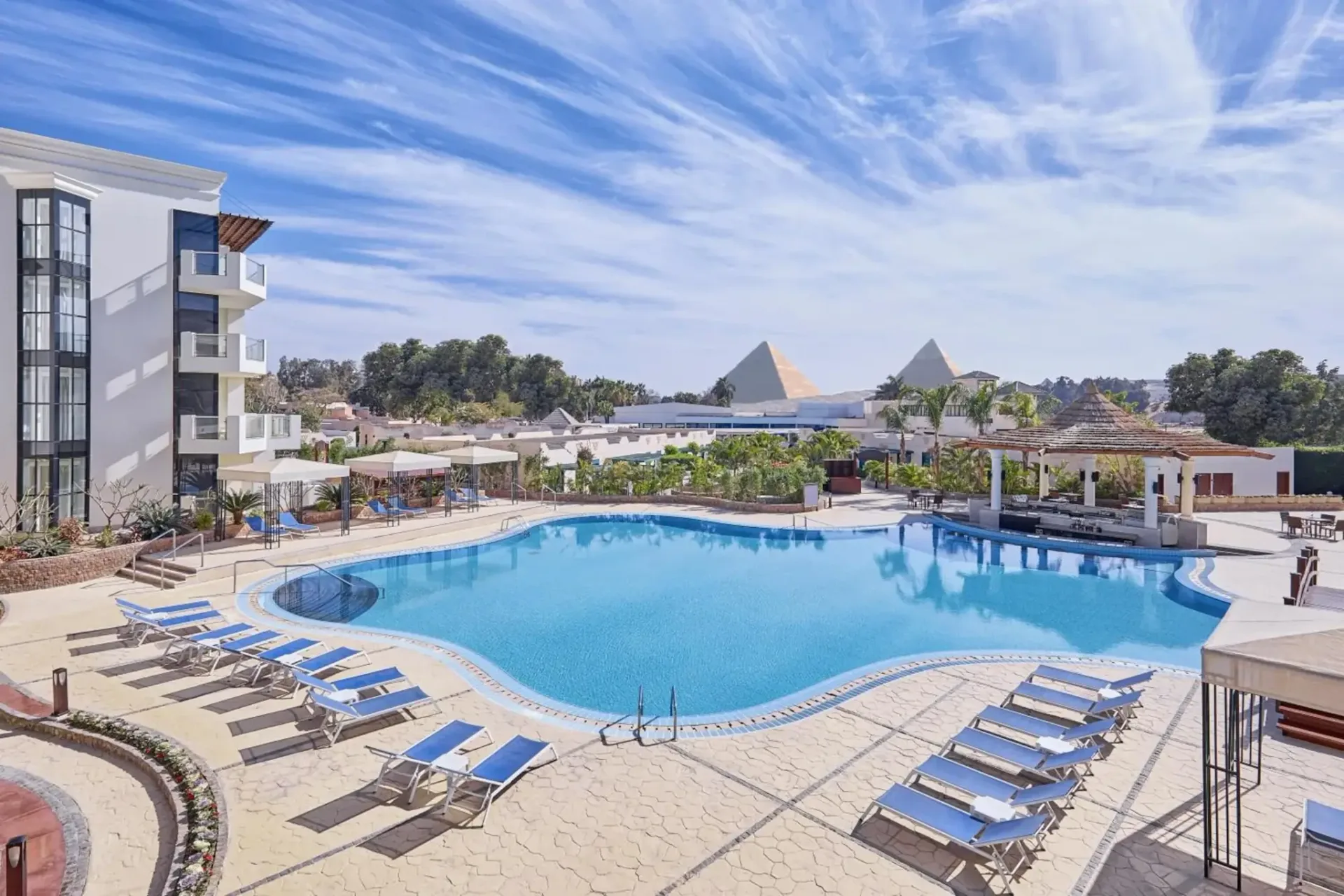
Where to base a stay depends on which half of the itinerary matters more. Hotels on the Giza plateau road put the Pyramids and the Grand Egyptian Museum a short drive away and suit travellers whose main interest is ancient Egypt. Marriott Mena House, Cairo sits at the foot of the Great Pyramid itself and is the closest hotel to it. Steigenberger Pyramids Cairo and Hyatt Regency Cairo West are both on the same stretch, with pyramid views from many rooms and a short drive to the Grand Egyptian Museum.
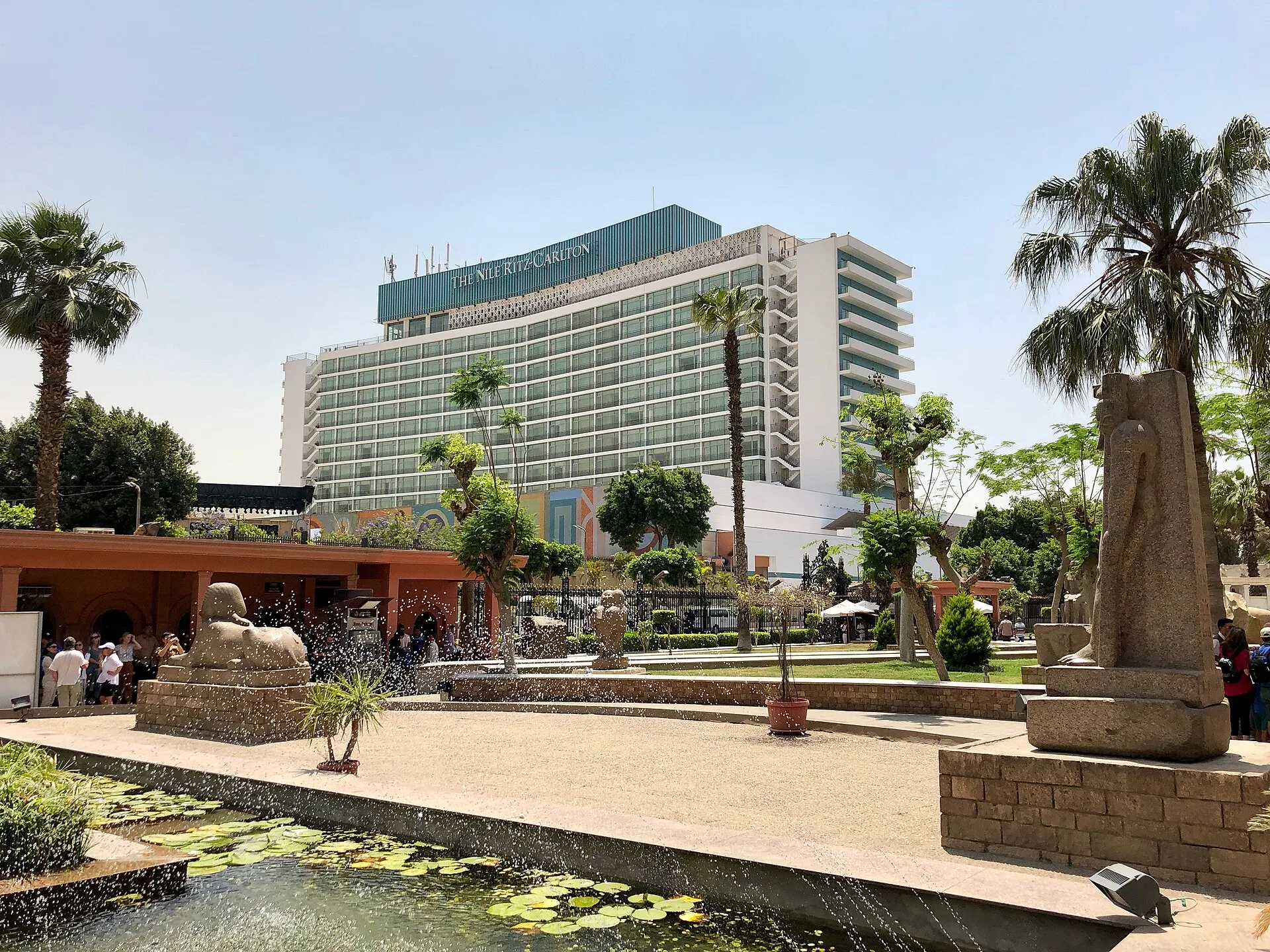
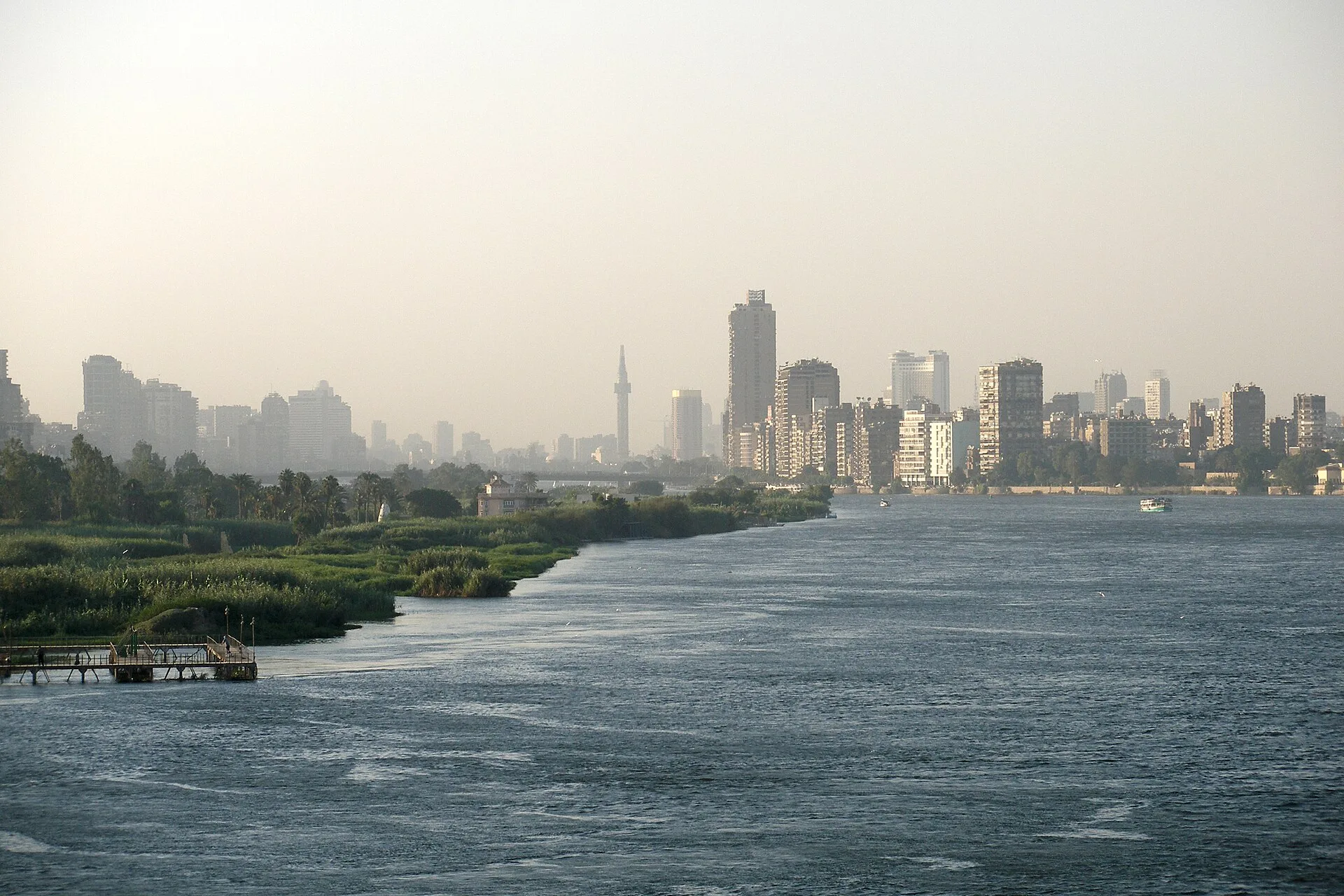
Downtown, on the Nile, suits travellers who want easy access to the Egyptian Museum, Tahrir Square and the river corniche, with Giza still a manageable drive away. The Nile Ritz-Carlton, Cairo occupies a landmark building on the Corniche between the river and Tahrir Square and is the pick for this side of the city. Travellers splitting their stay sometimes choose a night or two on each side of the city, which spreads the drive times more evenly across the whole visit.

Cairo day trips worth adding
A short extension from Cairo reaches Alexandria on the Mediterranean coast, with its Greco-Roman history and sea air, a comfortable day trip by road. Further afield, Bahariya Oasis and the White Desert beyond it make a longer overnight add-on for travellers with an extra day or two to spare and an interest in a different side of Egypt entirely. Both work best as a single focused day rather than being combined with Giza sightseeing on the same date, since the road time alone fills much of the morning or afternoon.
Programmes that include Cairo
For travellers who would rather have a licensed Egyptologist guide and private transport arranged rather than booking each sight separately, Panda Travel Egypt runs several programmes built around the city. Discover Cairo Like Never Before is a four-day private tour covering the Pyramids, the Sphinx, the Grand Egyptian Museum, the royal mummies and the historic churches, and sits within the wider Cairo Short Breaks collection for travellers with three to five days.
Travellers continuing beyond Cairo often choose the Pyramids and Nile Escape Program, which pairs three nights in Cairo with a Nile cruise reached by domestic flight, avoiding long road or rail journeys. Those on a tighter budget can look at the Pyramids and Nile Escape Budget Program, which covers the same highlights with an overnight sleeper train to Aswan. For a slower pace with a private Egyptologist throughout, the Luxury Egypt Escape: Cairo and the Fayoum Oasis combines three nights at The Nile Ritz-Carlton with a day in the Fayoum's desert landscape.
Travellers deciding how Cairo fits into a longer Egypt trip can browse the full range of Egypt tour packages to compare routes before booking, or start planning with one of the Cairo-based programmes above as a fixed point for the rest of the itinerary.