Sharm El Sheikh sits at the southern tip of the Sinai Peninsula, where the desert meets some of the clearest water in the Red Sea. It grew from a fishing and diving outpost into Egypt's best known beach resort, and what keeps people coming back is the reef just offshore rather than any single monument. The things to do in Sharm El Sheikh fall into three groups: time in and on the water, a visit to Ras Mohammed National Park, and day trips out into the Sinai desert and mountains. Most travellers give it anywhere from four days as a stand-alone beach break to a week tacked onto a longer trip around Egypt.
The best things to do in Sharm El Sheikh on and off the water
The reef is the main attraction, and it starts close to shore. Many hotel beaches around Nabq Bay, Sharks Bay and Ras Um Sid have house reefs that snorkellers can reach from the shore, while boat trips run daily out to sites further along the coast where the coral is less disturbed. Diving here ranges from easy shore dives suited to beginners to drift dives along steep walls for those with more experience, and nearly every dive centre offers a short introductory course for first-timers.
Naama Bay itself is Sharm's social centre: a curved promenade lined with restaurants, cafes and shops, busiest in the evening when the day's boats are back in and the heat has eased. It is worth an unhurried stroll after dinner, and a reasonable base even on a day when the plan is simply to recover from an early dive.
Sharm Old Town, near the marina and close to the Hadaba district, gives a calmer, more local feel, with a market area useful for a change of pace from the resort strip. It sits a short drive from Naama Bay rather than within walking distance. A glass-bottom boat trip, or a snorkelling day on the reefs of the Strait of Tiran further up the coast,, is another way to see reef without committing to a full dive day, and suits families travelling with children who are not yet diving.
Ras Mohammed National Park
Ras Mohammed National Park, at the southern tip of Sinai where the Gulf of Suez meets the Gulf of Aqaba, protects some of the sharpest reef drop-offs and most varied coral gardens on this stretch of coast. It is about a 45-minute drive south of Naama Bay, and most hotels or dive centres arrange the trip as a half-day or full-day excursion by boat or by road.
A half day is enough for one or two snorkel stops or a two-tank dive at sites such as the reef walls near Shark and Yolanda, plus a short walk to a viewpoint over the cliffs. A full day allows a third dive or several snorkel stops, lunch on board or at the park, and time to walk along the mangrove channel near the park's visitor area. Arrive with the boat as early as the operator allows: the water is calmest and the light for photography is best in the first hours of the morning.
What to bring for a Ras Mohammed day
A reef-safe sunscreen, a hat, a swimsuit under light clothing and a towel cover the basics; most boats provide snorkel gear and masks, but divers with their own fins and mask usually dive more comfortably than with rented kit. Bring cash in small notes for tips to the boat crew and dive guide, and pack a dry bag for a phone or camera if travelling by boat rather than road.
How many days to give Sharm El Sheikh
Four days is the practical minimum: one for Ras Mohammed, one for reef snorkelling or diving nearer the hotel, and one to rest, walk Naama Bay's promenade and pack in a short desert drive. Four to six days is more comfortable and lets divers fit in a proper course or several dive sites without rushing, while still leaving a day free for a trip inland to St Catherine's Monastery and Mount Sinai, or across to Dahab for its lagoon and easier reef diving.
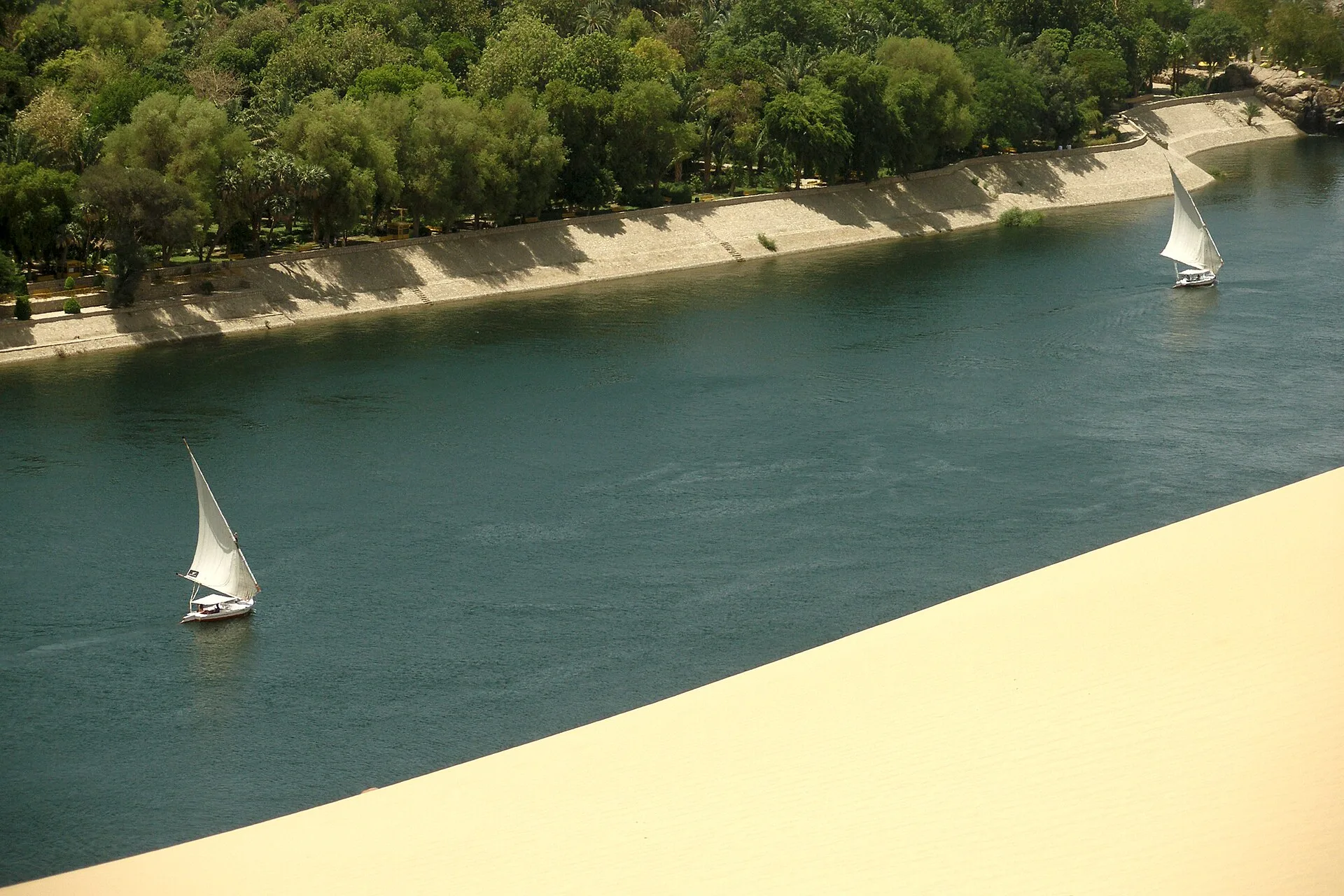
Travellers combining Sharm El Sheikh with the rest of Egypt usually treat it as the beach half of a longer trip, pairing a few days by the Red Sea with Cairo's pyramids or a Nile cruise. Our guide to how many days to spend in Egypt sets out how a Red Sea stay fits alongside Cairo, Luxor and Aswan on trips of a week or more.
Best time to visit Sharm El Sheikh
April to June and September to November bring the best balance of warm water and manageable air temperatures, good for snorkelling, diving and walking around in the middle of the day without being driven back to the shade. July and August are hot on land but the sea stays pleasant, and many visitors simply spend more of the day in the water.
December to February is noticeably cooler and quieter, with air temperatures mild rather than hot and sea temperatures still comfortable for a dive in a wetsuit. For how this compares with the rest of the country across the year, see our season-by-season guide to the best time to visit Egypt, since Sinai's coast is milder than Luxor and Aswan in winter, with much warmer nights, and milder than inland Egypt in summer.
Getting there and getting around
Sharm El Sheikh International Airport takes international flights directly from several countries as well as domestic flights from Cairo, so most visitors arrive without routing through the capital first. Direct flights to Luxor and the Hurghada ferry run only intermittently, so check current schedules; by road, Hurghada is a very long drive round via Suez.
Within town, taxis and ride-hailing apps such as Uber and Careem cover Naama Bay, Sharm Old Town, Nabq Bay and the airport road comfortably, so a hire car is rarely needed. Hotels can usually arrange transfers to dive sites, Ras Mohammed and the main desert excursions, which is usually the simplest way to book a day out.
Day trips from Sharm El Sheikh
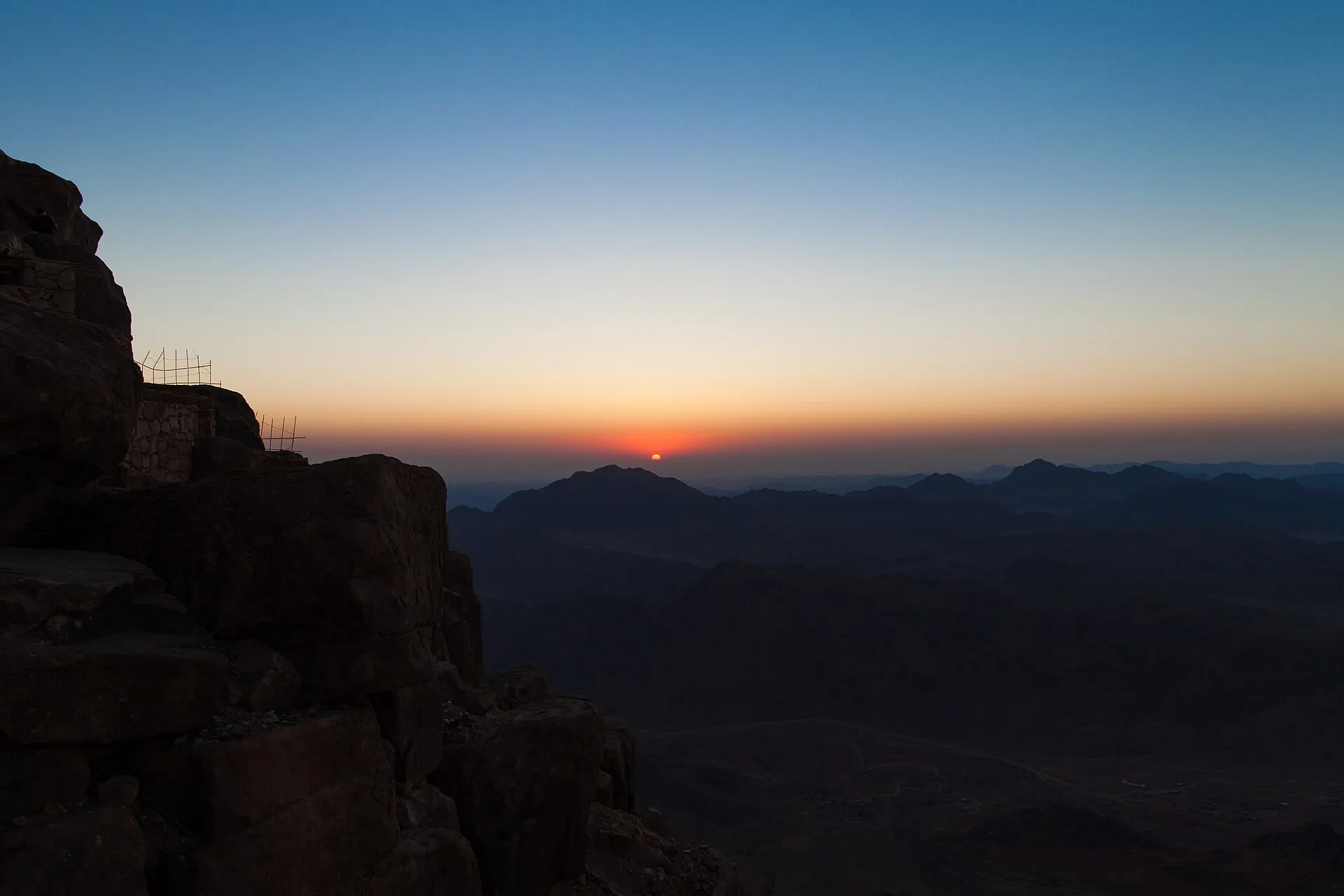
Beyond Ras Mohammed, the most popular excursions head inland into Sinai. A trip to St Catherine's Monastery and Mount Sinai crosses a stretch of mountain desert quite different from the coast, usually run as a long day or overnight so that visitors can climb before dawn. Dahab, an hour or so up the coast, offers its sandy lagoon for kitesurfing and its calmer Lighthouse Reef for easy snorkelling, a good contrast to Sharm's livelier dive scene.
Quad biking and Bedouin dinner trips into the desert just outside town are shorter, usually a half day or evening, and suit travellers who want a taste of the desert without a long drive. These organised day trips are the easiest way to see beyond the coast without arranging transport independently, and most hotels can book them a day or two ahead.
Where to stay in Sharm El Sheikh
Hotels cluster around a handful of bays, each with a slightly different character. Naama Bay and the strip around it are liveliest, close to restaurants and dive centres and convenient for evenings out. Nabq Bay to the north tends to be quieter and family-oriented, while Sharm Old Town and Hadaba sit a short drive from the main hotel strip and suit travellers who want a more local feel.
Many of Sharm's hotels sit close to the reef, so checking a specific property's house reef and beach access matters more here than the exact district. Panda Travel Egypt can match a hotel to the kind of stay planned, whether that is a diving-focused week or a few relaxed days paired with the rest of Egypt.
Combining Sharm El Sheikh with the rest of Egypt
Sharm El Sheikh rarely stands alone in a longer Egypt itinerary; it is usually paired with the Nile and Cairo's ancient sites, or with the Sinai's spiritual and desert landmarks. Mystic Egypt: A Spiritual Retreat reaches the Sinai through Saint Catherine and Mount Sinai and ends by the sea in Dahab, an hour up the coast, rather than in Sharm itself. Mystical Egypt Adventure: Sky, Sea & Sand Expedition pairs Cairo and Saqqara with two Red Sea days in Hurghada, a useful comparison for travellers weighing the two coasts.
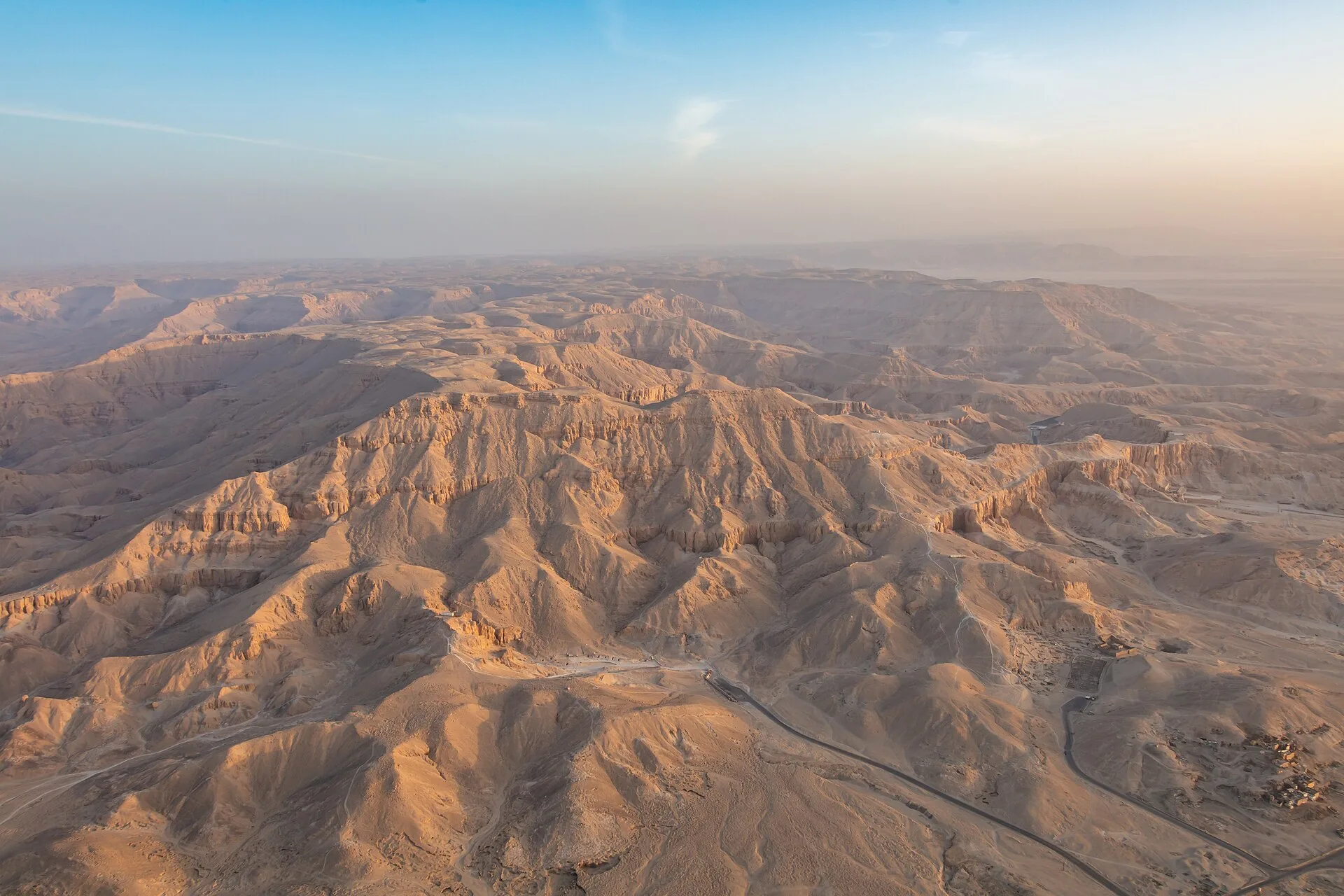
For a broader look at how a Red Sea stay fits with the rest of the country, our guide to Luxor's temples and the West Bank covers the Nile side of a typical Egypt-and-Red-Sea combination, and the full range of Egypt tour packages shows how Sinai and the Nile can be sequenced across a longer trip. Anyone planning independently is welcome to get in touch with Panda Travel Egypt to put together a Sharm El Sheikh stay around the reef time and day trips that matter most to them.