Aswan sits where the Nile narrows between granite hills, at Egypt's southern edge, and it feels unlike anywhere else on the river. The pace is slower, the water is clearer, and the Nubian villages along both banks give the city a culture distinct from Cairo or Luxor. For travellers asking what things to do in Aswan actually involve in terms of time and planning, the answer is a short but rich list: one island temple, one dam, one ancient quarry, a Nubian village, and the river itself, best seen from a felucca at the end of the day.
Most visitors reach Aswan as the final stop of a Nile cruise from Luxor, and it works just as well as a city to fly or take the sleeper train into on its own. Either way, Aswan rewards travellers who give it proper time rather than treating it as a half-day stop before Abu Simbel.
The best things to do in Aswan
Aswan's attractions are compact and can be grouped into a morning and an afternoon, or spread across two full days if the pace is unhurried. Here is what each one involves, roughly in the order most visitors see them.
Philae Temple
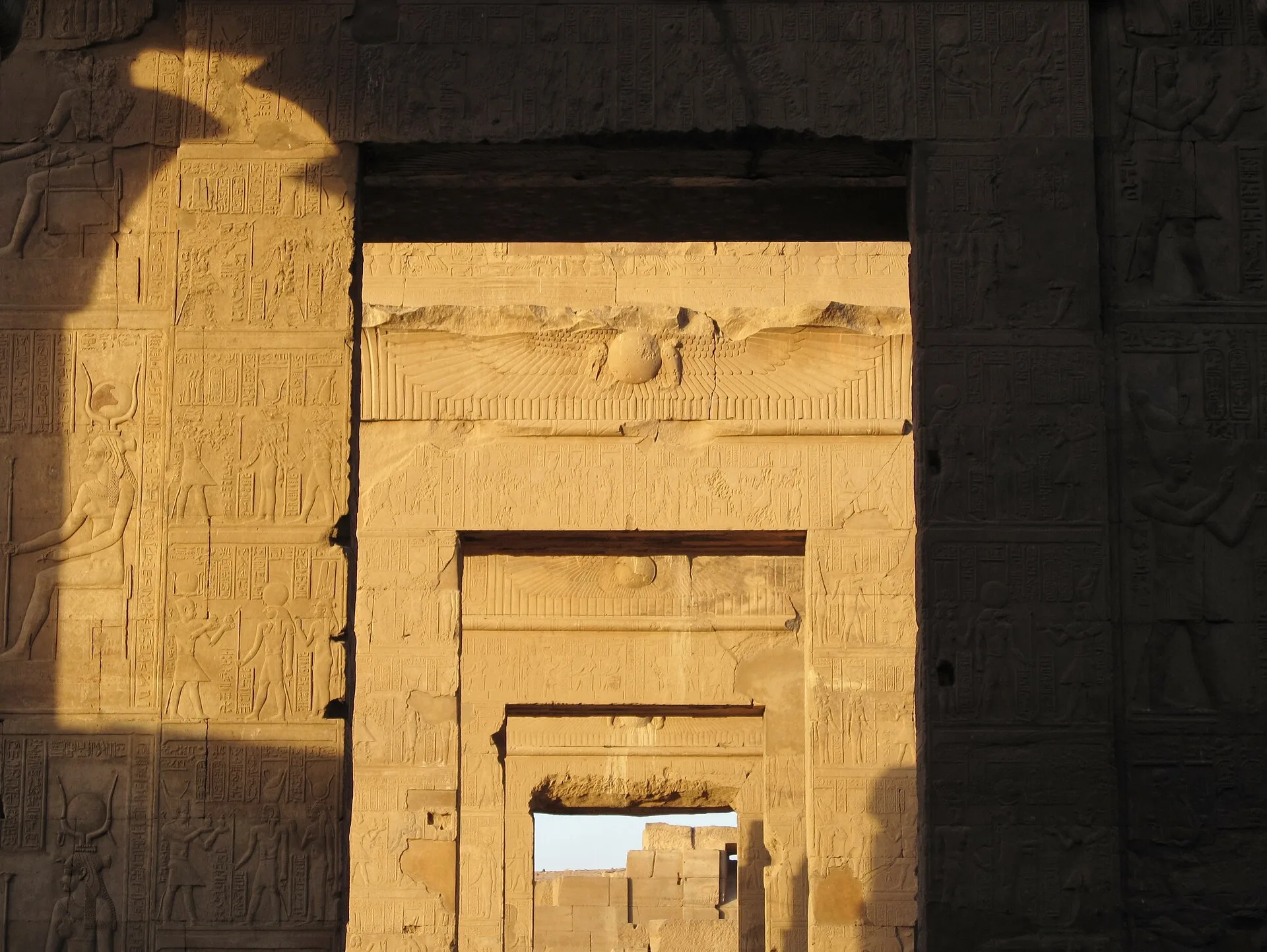
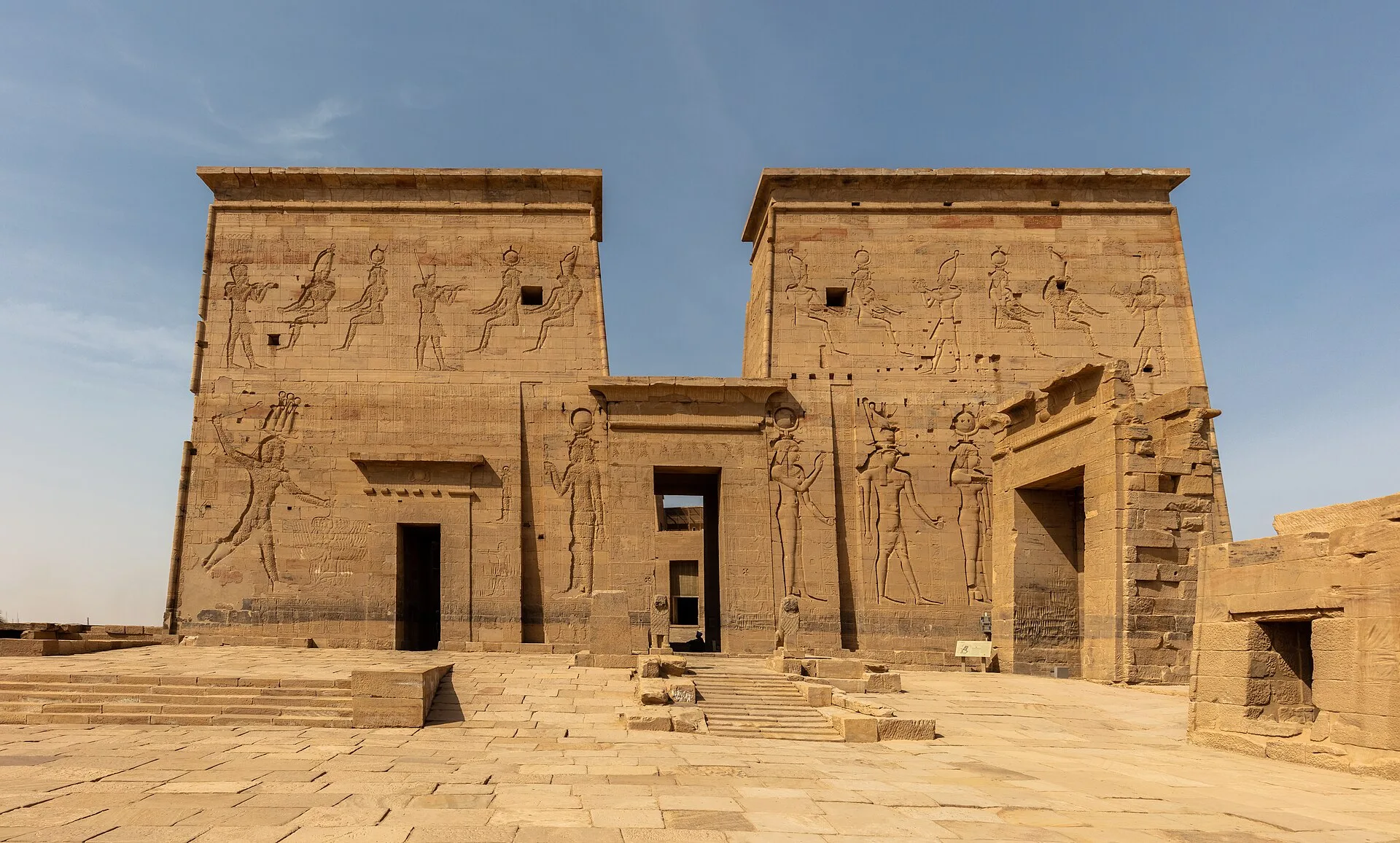
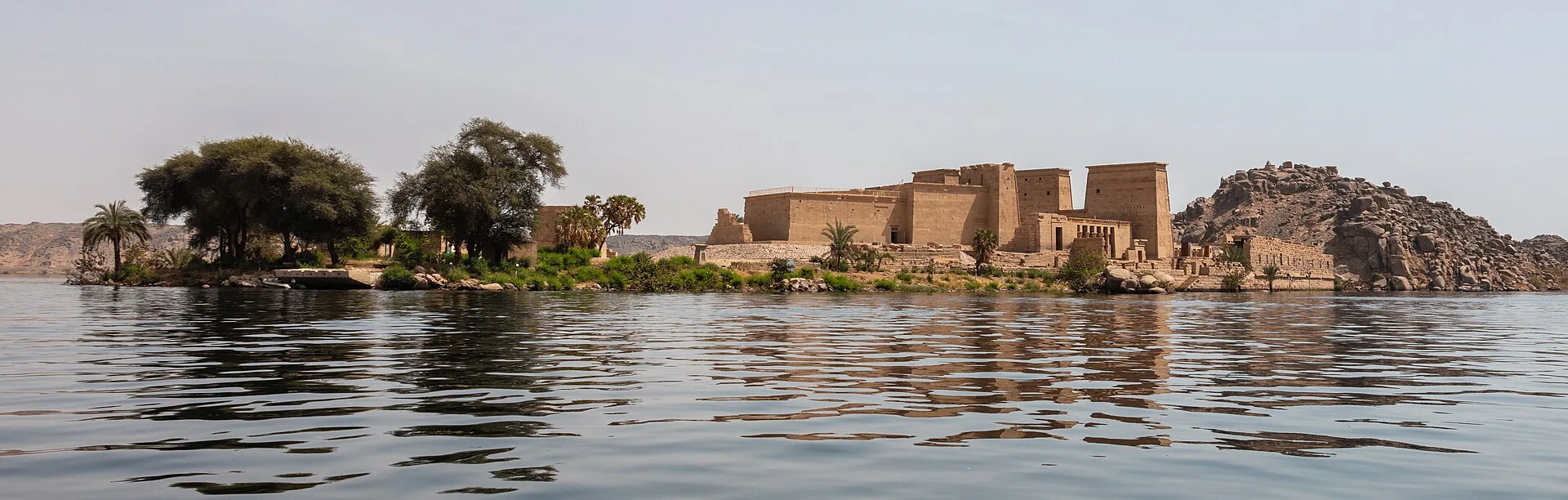
Philae Temple, dedicated to the goddess Isis, originally stood on an island flooded by the first Aswan Dam and was moved stone by stone to nearby Agilkia Island in the 1970s. Visitors reach it by a short motorboat ride from the Shellal landing near the old Aswan Dam. Allow 1.5 to 2 hours for the boat crossing and the visit itself: the temple's pylons, colonnades and reliefs reward unhurried walking, and the setting on the water is part of the experience.
Go early if the schedule allows it. The light on the carved pylons is softer before mid-morning, and the site is quieter before cruise groups and day-trippers from the cruise ships arrive in numbers.
The Aswan High Dam
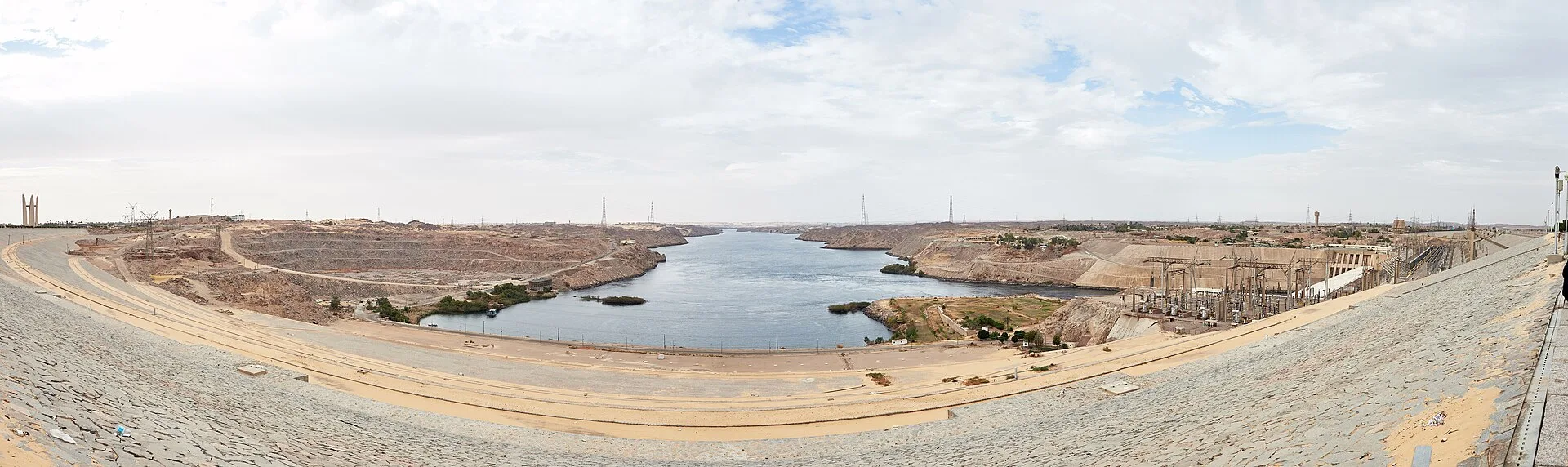
The Aswan High Dam, completed in 1970, holds back Lake Nasser, one of the largest reservoirs built by man. There is no temple or tomb to explore here; the visit is really a viewpoint stop, taking in the scale of the dam and the view over the river downstream. Twenty to thirty minutes is enough, and it is usually combined with Philae in the same morning since both sit on the same road south of the city.
The Unfinished Obelisk
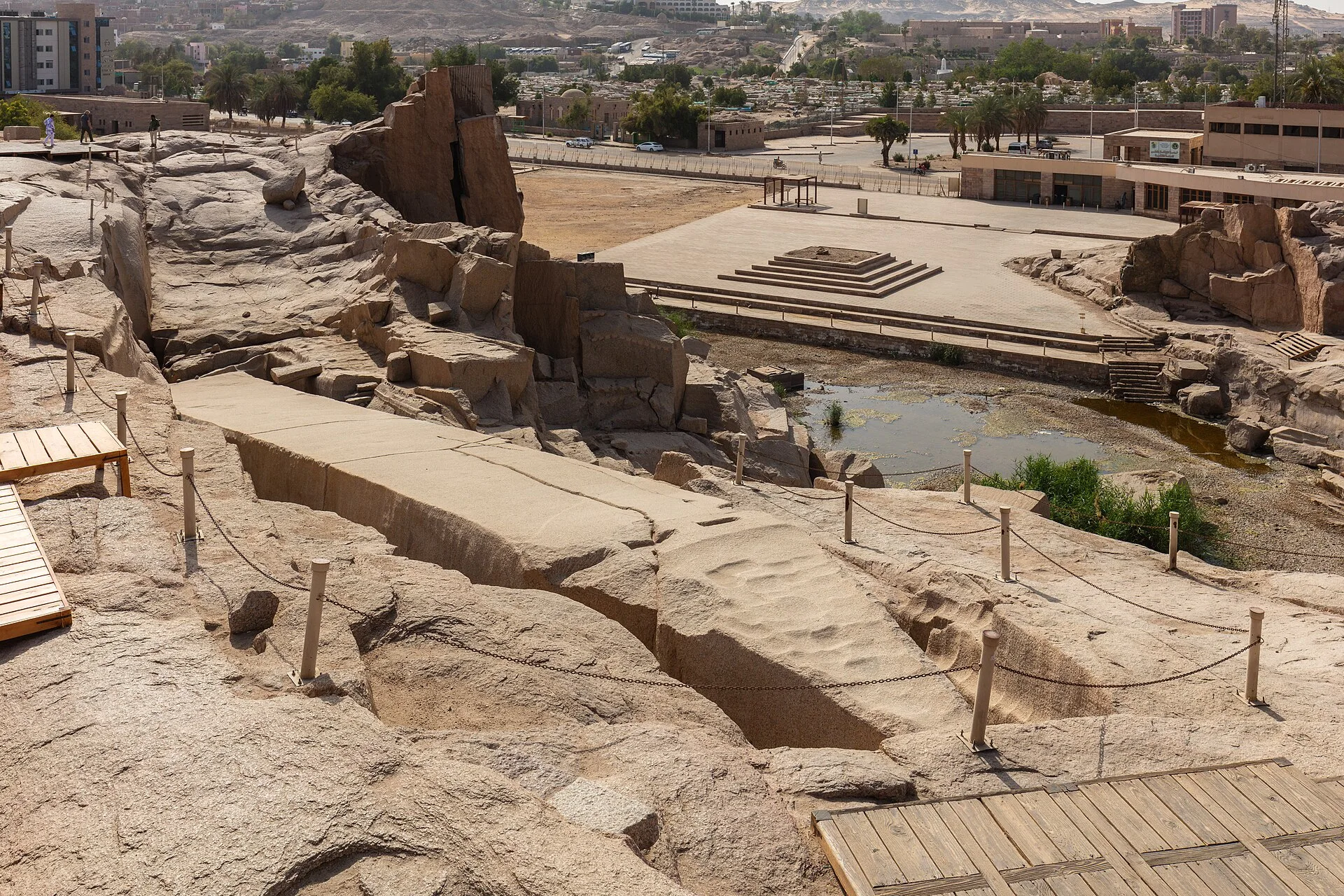
In the ancient granite quarries on Aswan's edge lies an obelisk abandoned mid-carving after a crack appeared in the stone. Had it been completed, it would have been the largest single piece of stone ever worked by the ancient Egyptians. The site explains more about how obelisks and temple stone were quarried and moved than any museum display, and a visit takes around 30 to 45 minutes.
A Nubian village
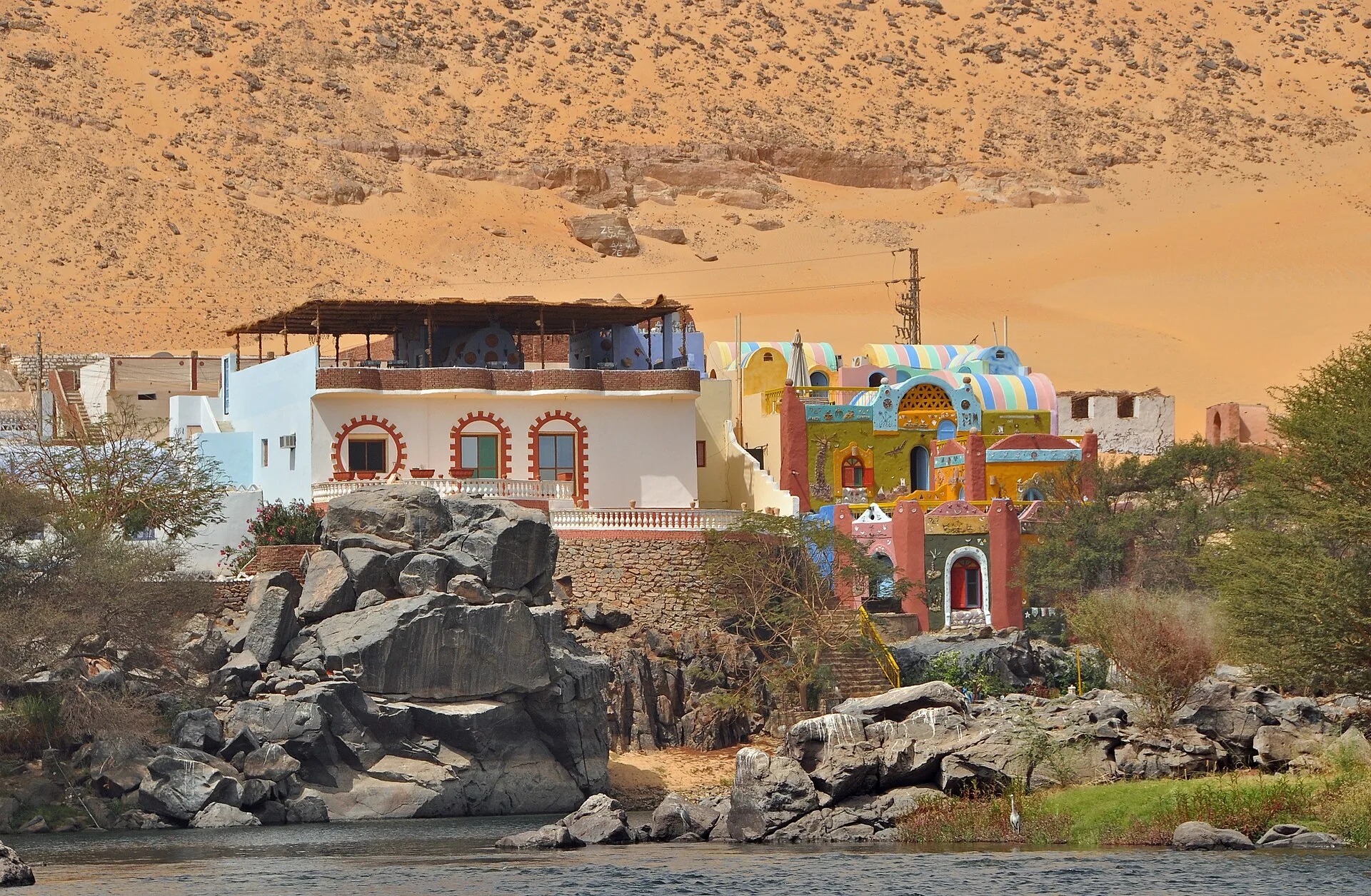
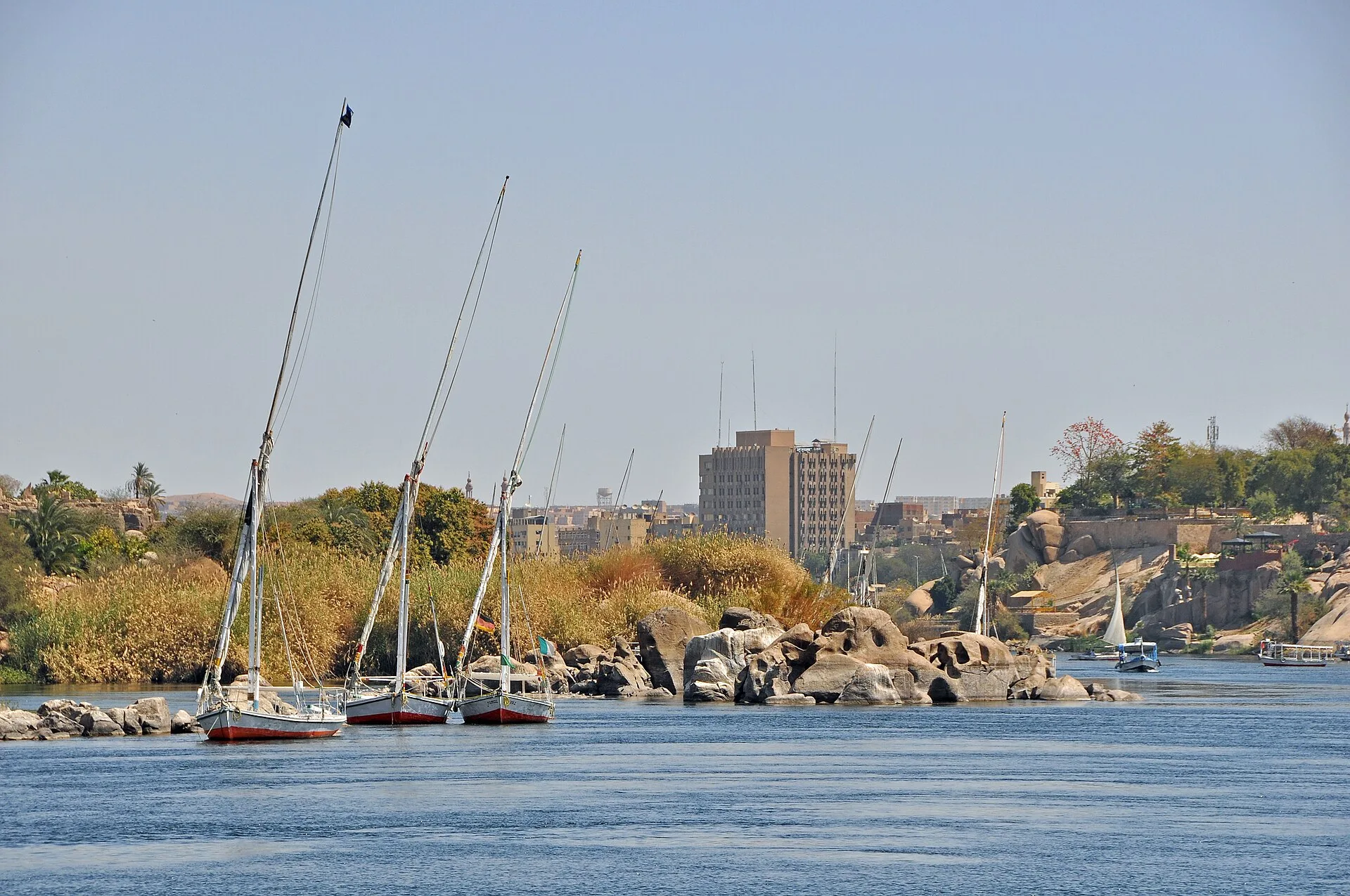
Aswan's Nubian villages, on Elephantine Island and on the west bank, are made up of brightly painted houses, courtyards, and a culture and language distinct from the rest of Egypt. A visit usually combines a motorboat or felucca crossing with a walk through the village, sometimes including tea in a family home. Two hours is typical, often scheduled for late afternoon so it flows into sunset on the water.
Guides based in Aswan generally know families happy to welcome visitors, and a Nubian village visit works well paired with the felucca sail that follows, since both involve the same stretch of river around Elephantine Island.
A felucca sail
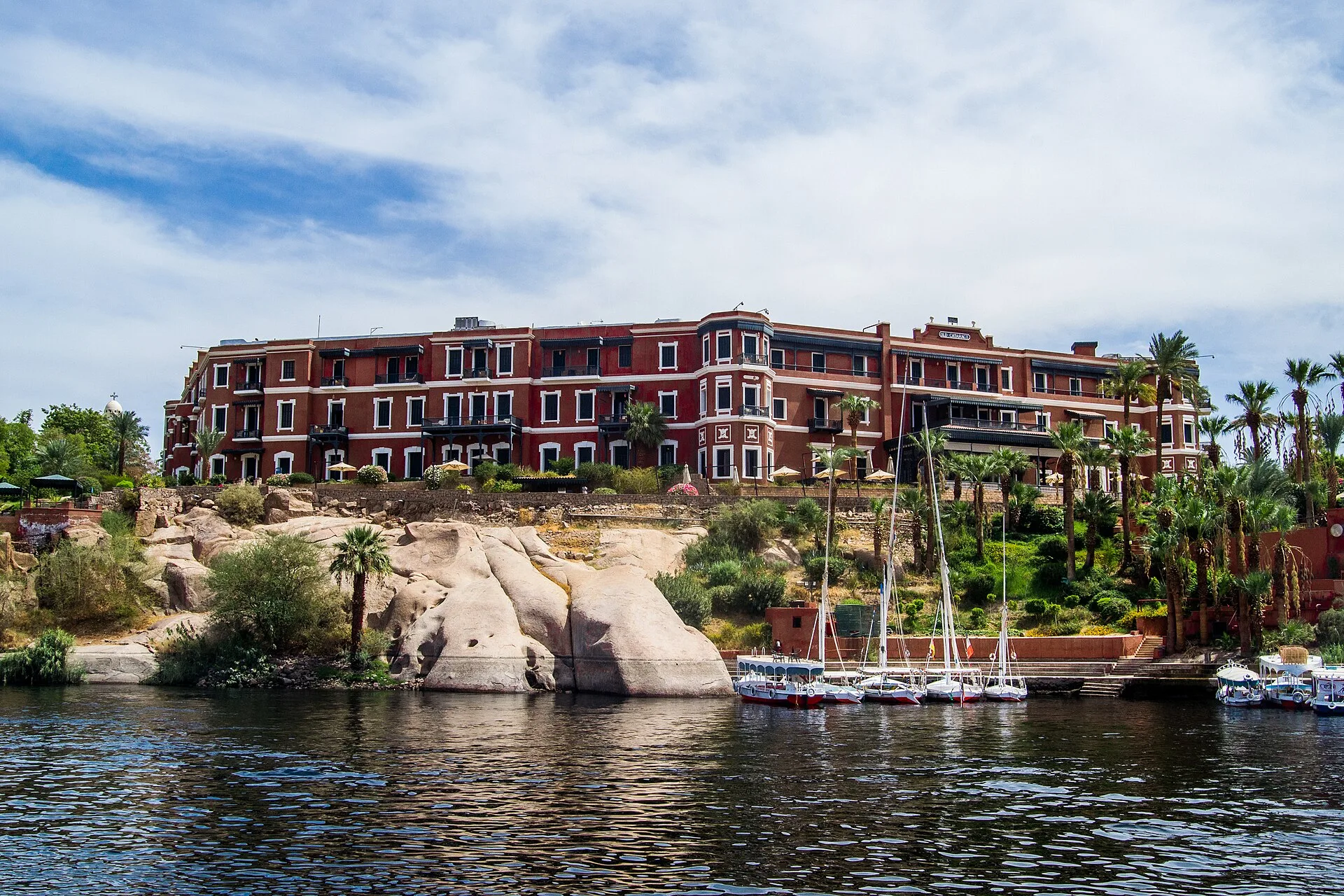
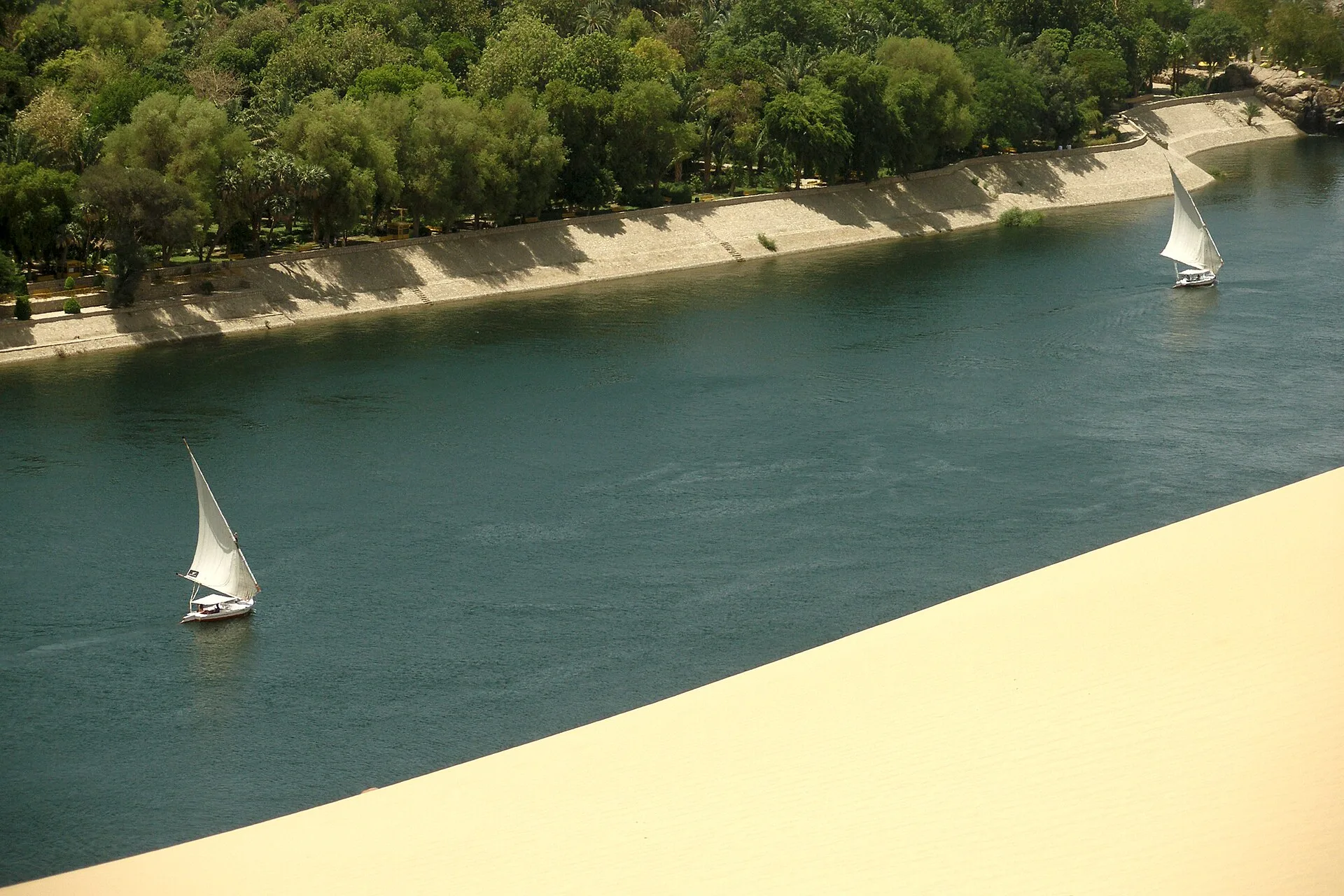
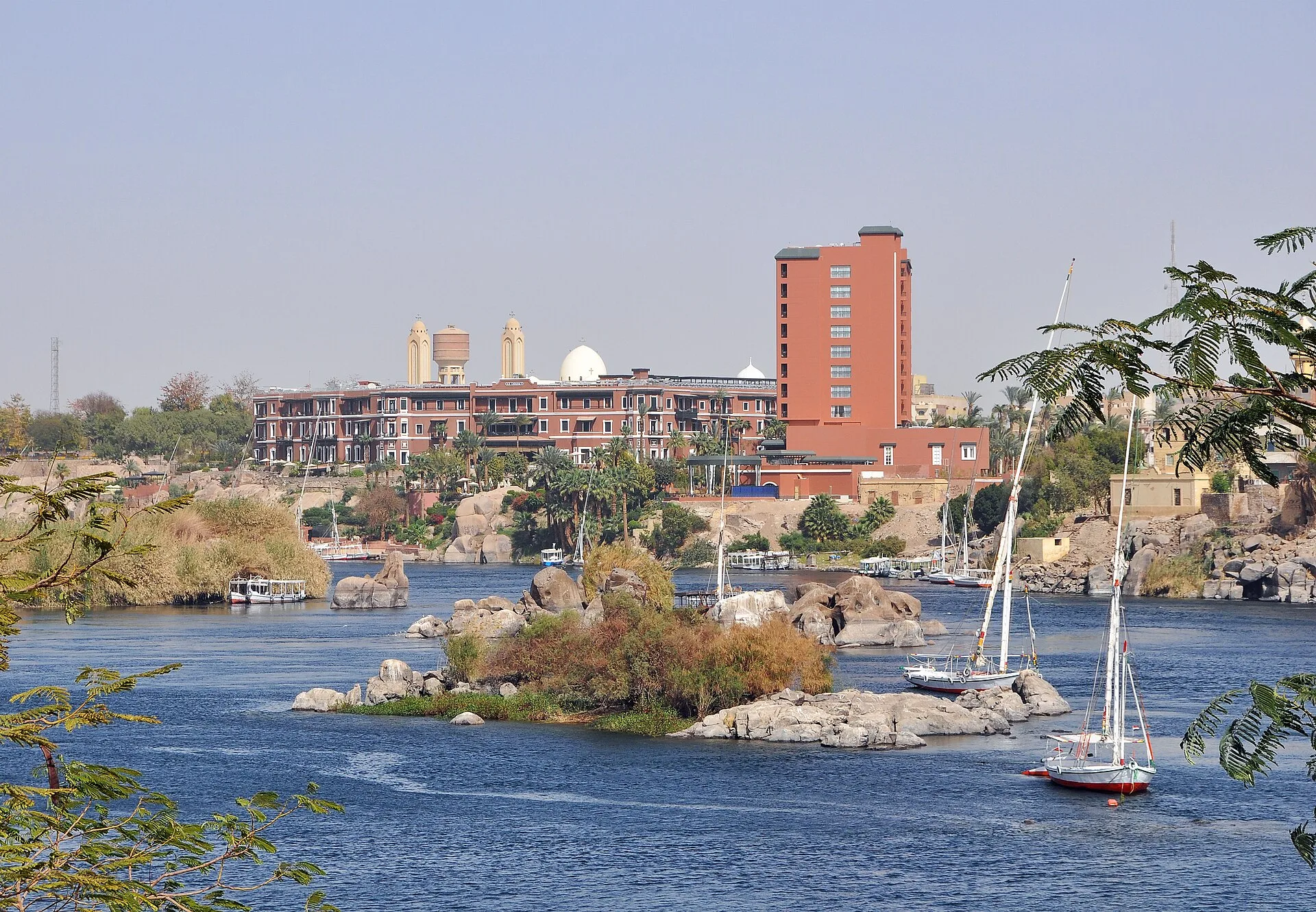
No visit to Aswan is complete without time on a felucca, the traditional wooden sailing boat of the Nile. A one to two hour sail around Elephantine Island and the Botanical Island at sunset is the classic way to close the day, with the granite boulders and the Old Cataract hotel's rose-coloured facade catching the last light.
The Nubian Museum
Away from the river, the Nubian Museum in Aswan tells the story of Nubian culture and the villages and monuments submerged when Lake Nasser was created, with artefacts rescued during the international campaign that also moved Philae and Abu Simbel. An hour is generally enough, and it suits a quieter morning or a stop on the way back from the Unfinished Obelisk, since the two sites sit a short drive apart.
How many days to give Aswan
Two full days in Aswan cover Philae, the High Dam, the Unfinished Obelisk, a Nubian village and a felucca sail at an unhurried pace, with time left for a morning at leisure. One day is workable if the schedule is tight, combining Philae and the High Dam in the morning and the obelisk and a short felucca sail in the afternoon, but it leaves no room for a proper Nubian village visit.
Travellers adding Abu Simbel, which is a separate excursion from Aswan reached by road or by short flight rather than a stop on the river itself, should plan a third day, since the round trip by road takes most of a day on its own. Those driving down tend to leave Aswan before dawn to reach the temples before the midday heat and the coach groups, returning to Aswan by mid-afternoon. The flight option takes a fraction of the time but is usually the costlier choice, and it is worth deciding which suits the rest of the itinerary before booking a cruise or hotel.
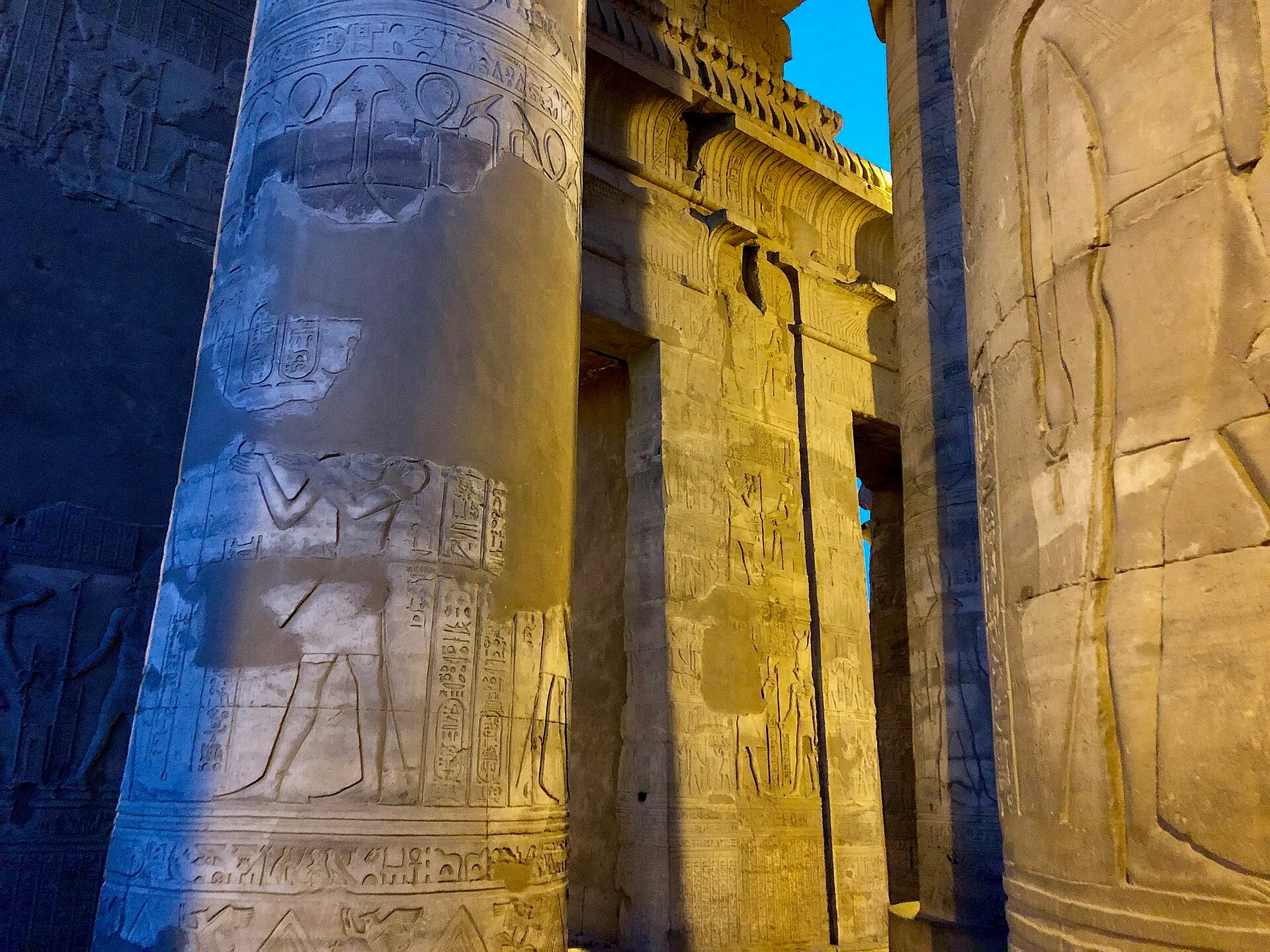
On a standard Luxor to Aswan Nile cruise, Aswan is usually the last two nights of the itinerary, which gives enough time for the main sights without feeling rushed; our Luxor to Aswan Nile cruise guide sets out what each day of that route looks like, including the stops at Edfu and Kom Ombo along the way.
Best time of year to visit Aswan
Aswan is Egypt's warmest major city, and its climate runs hotter and drier than Luxor or Cairo for most of the year. The cooler months, from October to April, are by far the most comfortable for walking around temples and quarries in the middle of the day. Visitors travelling in the summer months should plan sightseeing for early morning and late afternoon, around the midday heat, and dress in light, breathable clothing with a hat and sun protection whatever the season. For a fuller picture of weather across the country by month, see our guide to the best time to visit Egypt.
Getting to Aswan and getting around
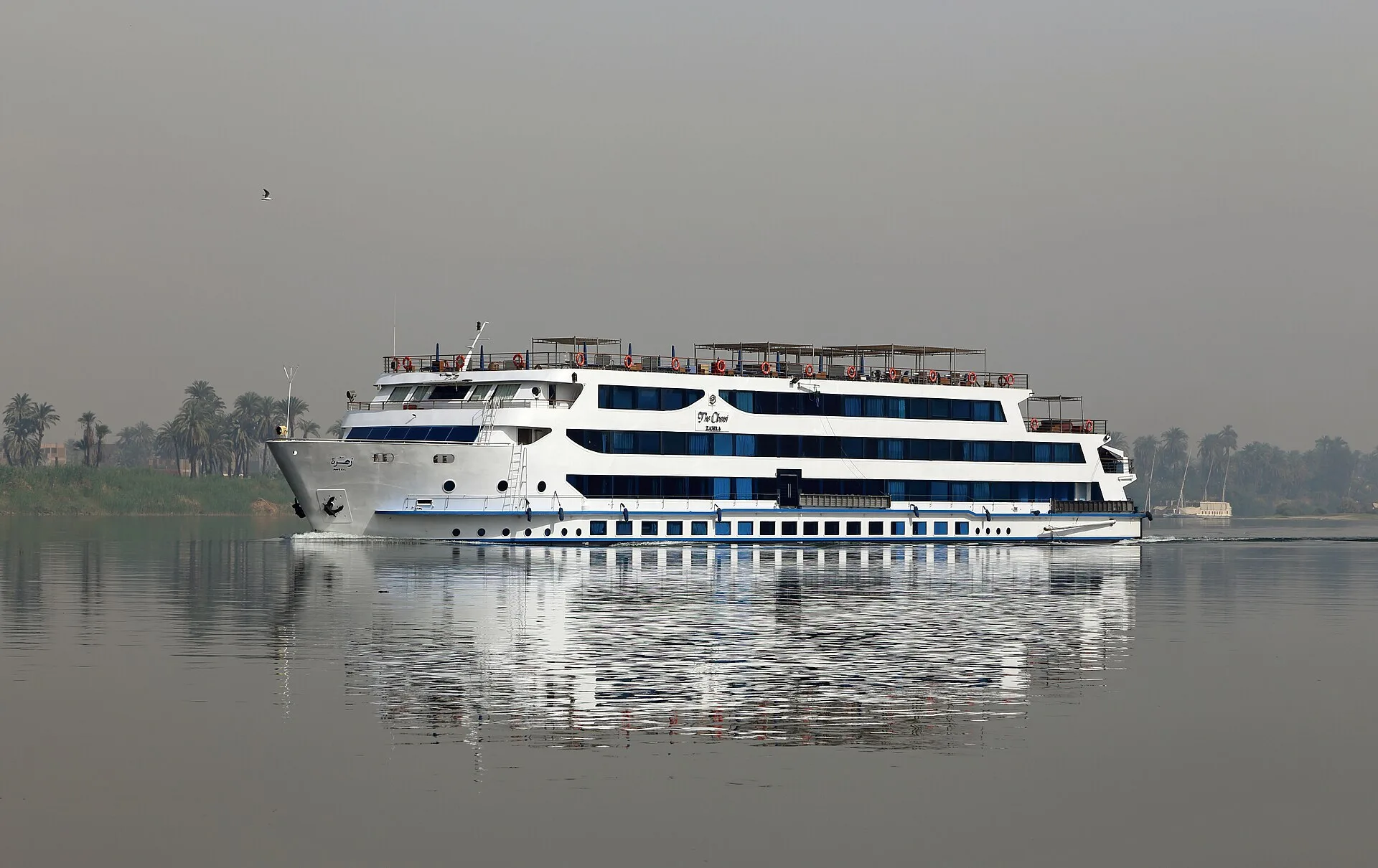
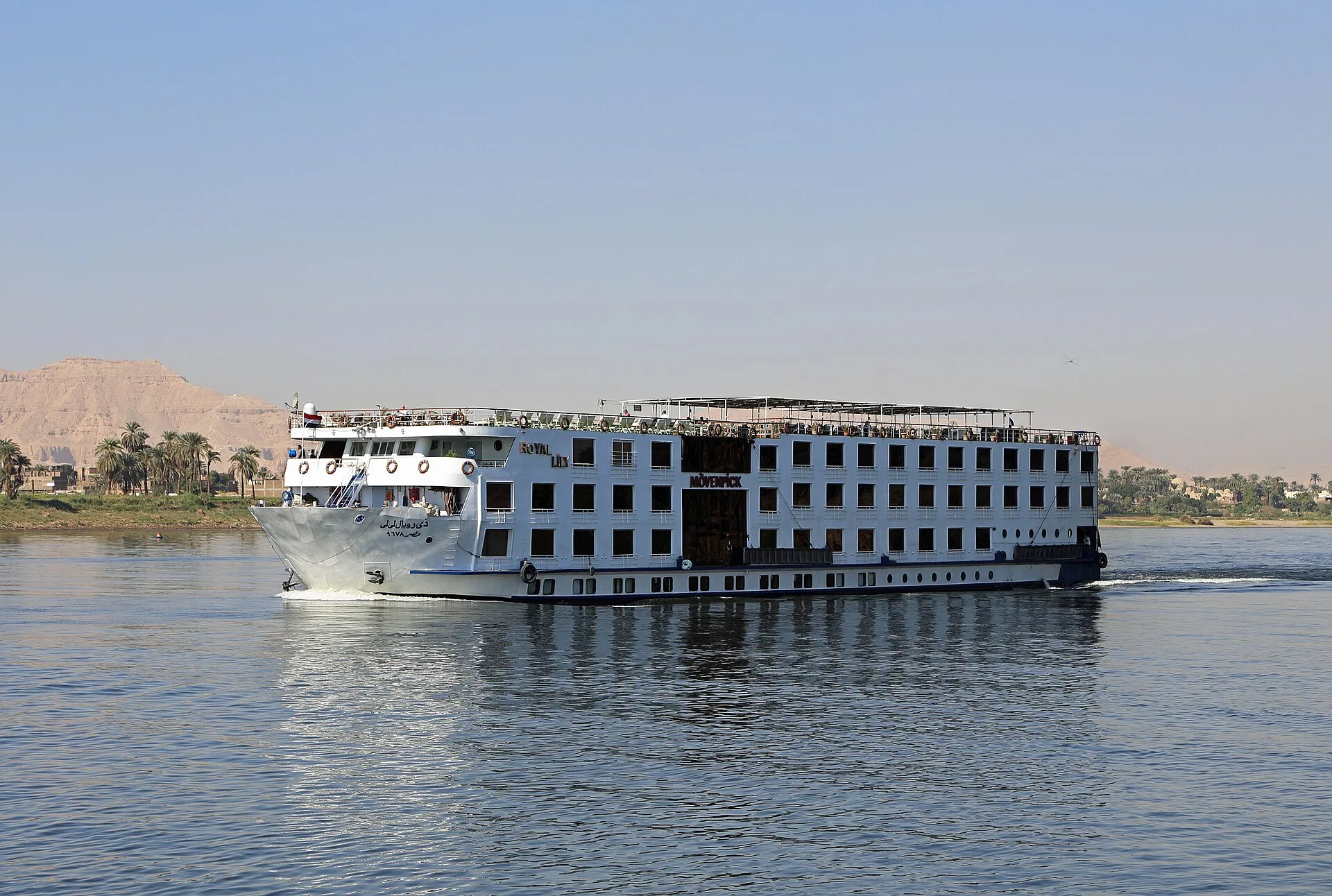
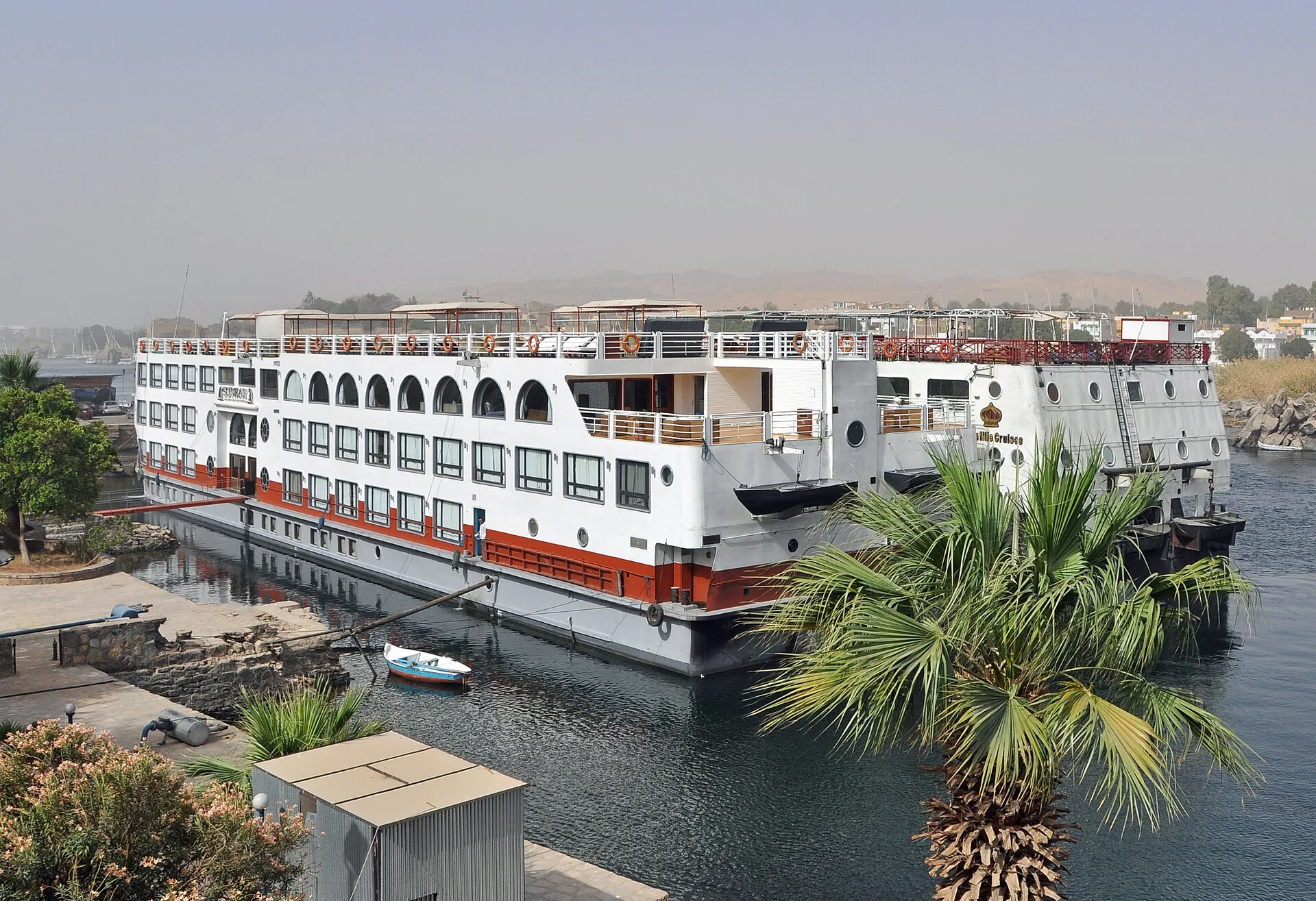
Aswan has its own airport with domestic flights from Cairo, and it is the southern terminus of Egypt's rail line, reachable by day train or overnight sleeper train from Cairo. Nile cruise ships also arrive from Luxor, typically over three or four nights, most of them mooring along the Aswan corniche, many within easy reach of the town centre.
Within Aswan, the main sights (Philae, the High Dam and the Unfinished Obelisk) sit along the same road south of town and are best visited by private car or taxi rather than on foot, since distances between them run several kilometres. Elephantine Island is reached only by boat, and the west-bank Nubian villages are most pleasantly reached by water too, with a felucca or motorboat usually arranged directly from the corniche. Taxis in Aswan are generally easy to find along the corniche and at the train and airport, and most drivers will wait between stops if a half-day itinerary is agreed in advance.
Where to stay in Aswan
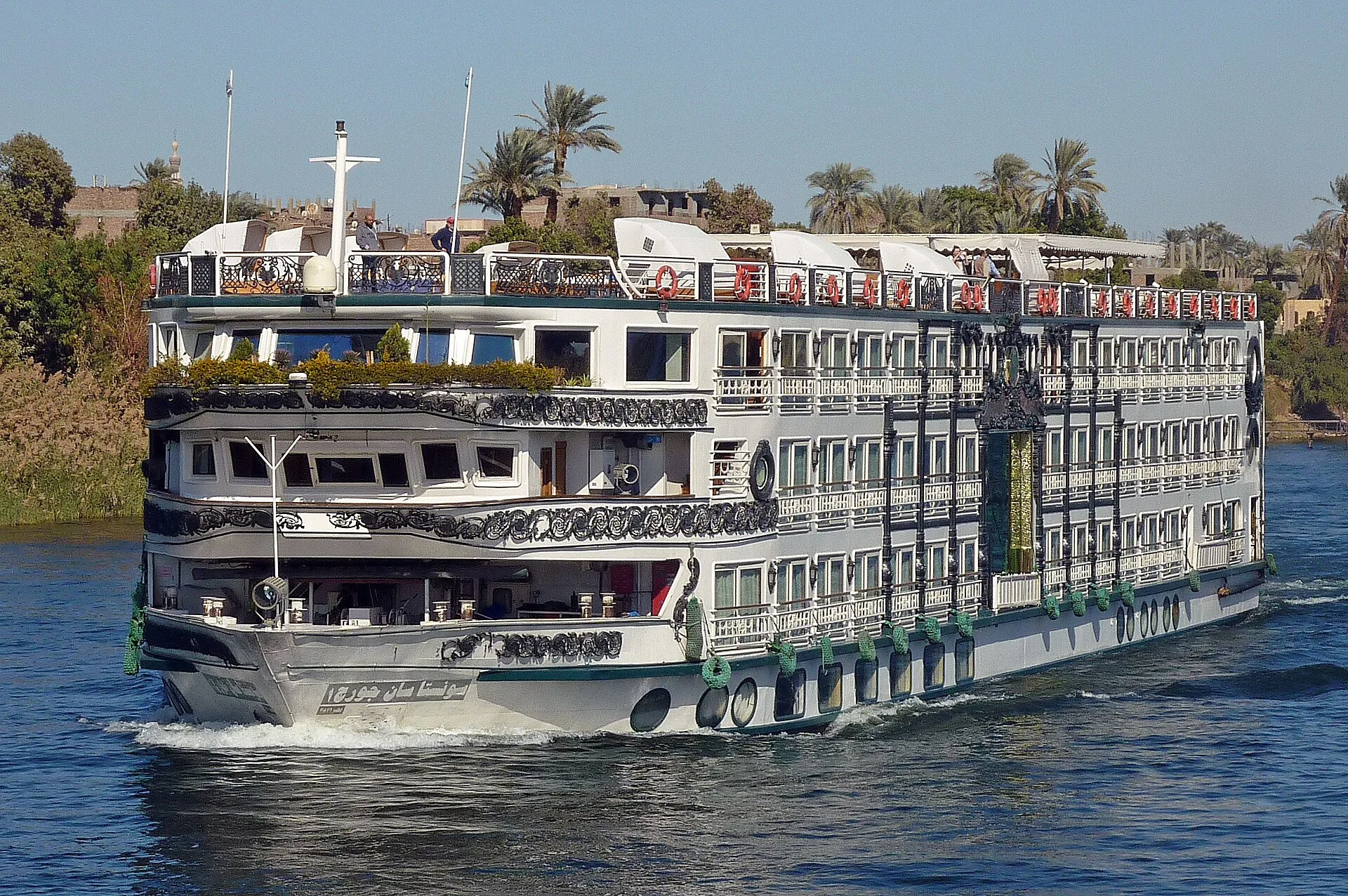
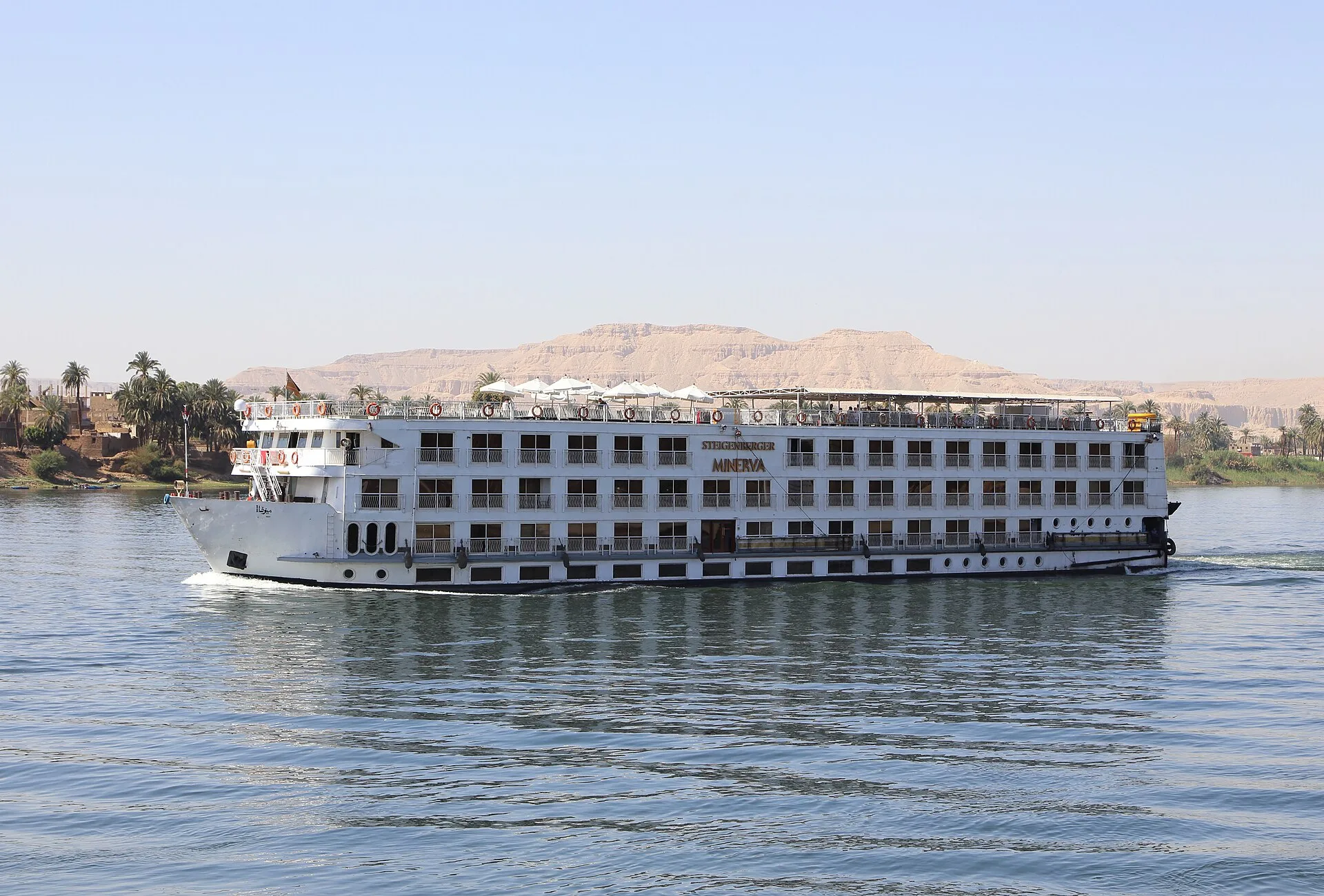
Aswan's best-known address is the Old Cataract, Aswan, a five-star hotel built in 1899 on a pink granite outcrop directly facing Elephantine Island, with the Agatha Christie connection that makes it one of the most recognisable hotel facades on the Nile. Travellers on a Nile cruise stay aboard ship instead, with vessels such as the Steigenberger Minerva and the Sonesta St. George calling at Aswan as the final stop on the Luxor to Aswan route. For the full range of ships sailing this stretch of river, browse all Nile cruises.
Programmes that include Aswan
Aswan features in most itineraries that combine Cairo with the Nile, usually as the city reached by cruise, sleeper train or flight after Luxor. Panda Travel Egypt runs several routes built around it. From the Red Sea to the Nile pairs a Red Sea stay in Hurghada with a four-night Luxor to Aswan cruise and a day trip from Aswan to Abu Simbel, followed by time in Cairo. Travellers planning the Luxor side of the same trip may also want our Luxor travel guide to Karnak, the Valley of the Kings and the West Bank, and the full range of itineraries can be browsed at all tours.
Travellers with more time sometimes extend southward to Lake Nasser itself, where a smaller number of cruise ships sail between Aswan and Abu Simbel, calling at lesser-visited temples along the lake's shores. It suits those who have already done a Luxor to Aswan cruise and want a quieter follow-up rather than first-time visitors, since the standard Nile route already covers the essential temples.