
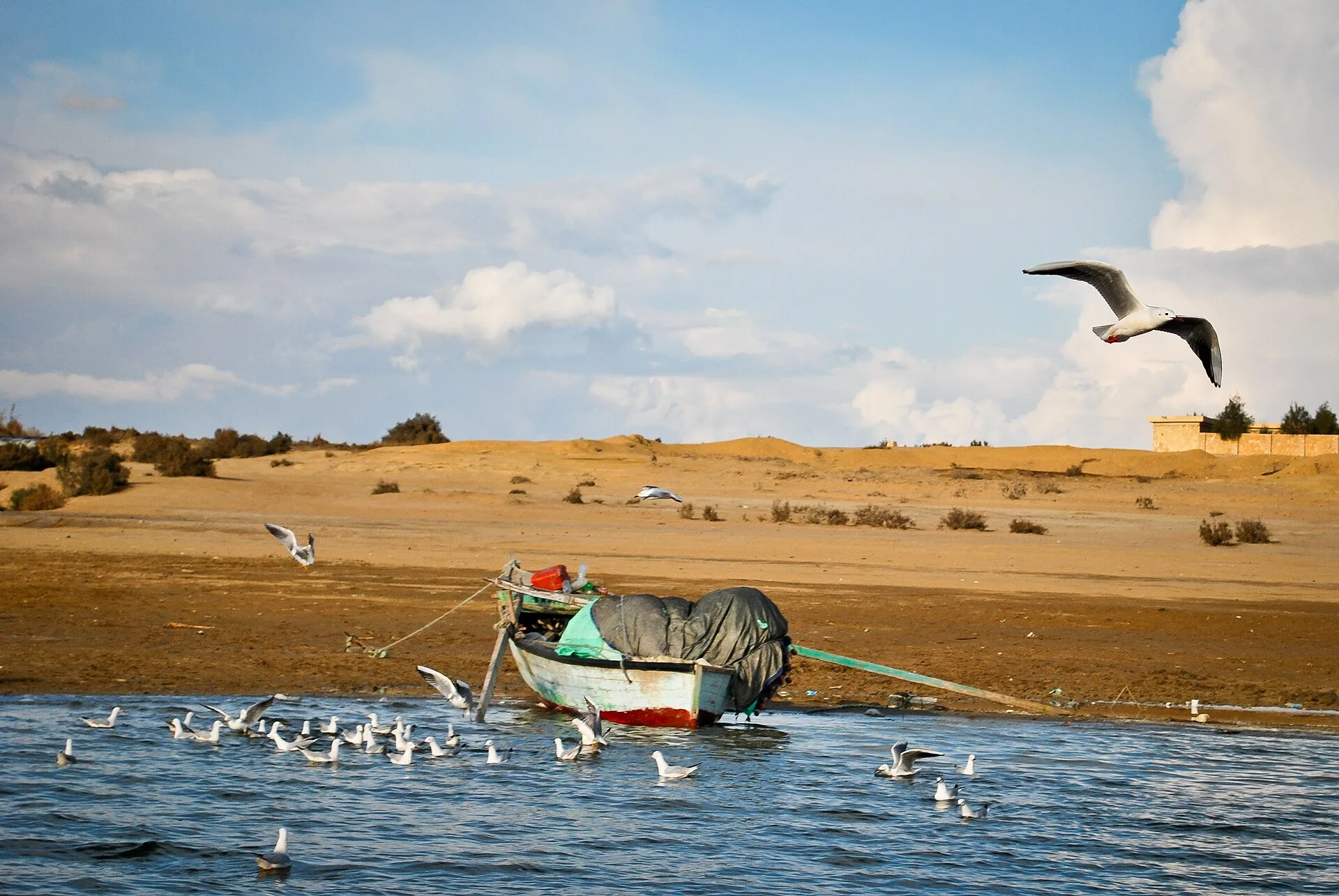
Fayoum Oasis sits about 100 km south-west of Cairo, built around a depression in the desert that holds Lake Qarun, one of Egypt's oldest lakes, and the protected wetlands of Wadi El Rayan. Many visitors treat it as a quick detour from the capital, a few hours of waterfalls and a lake view before heading back. That undersells it. Given two or three days rather than one rushed afternoon, Fayoum offers a proper change of pace: desert dunes and waterfalls, a boat or a quiet shoreline at sunset, a day out among the fossils of the Valley of the Whales, and a slower stop in Tunis Village among potters' studios overlooking the water. The things to do in Fayoum fall naturally into an order that makes sense on the ground, and knowing how long each sight takes is what turns a rushed loop into a proper short break.
Things to do in Fayoum: the sights that matter most
Four places carry a Fayoum trip, and each asks for a different amount of time. Together they cover water, desert, fossils and craft, which is a wider range than most people expect from a single oasis so close to Cairo.
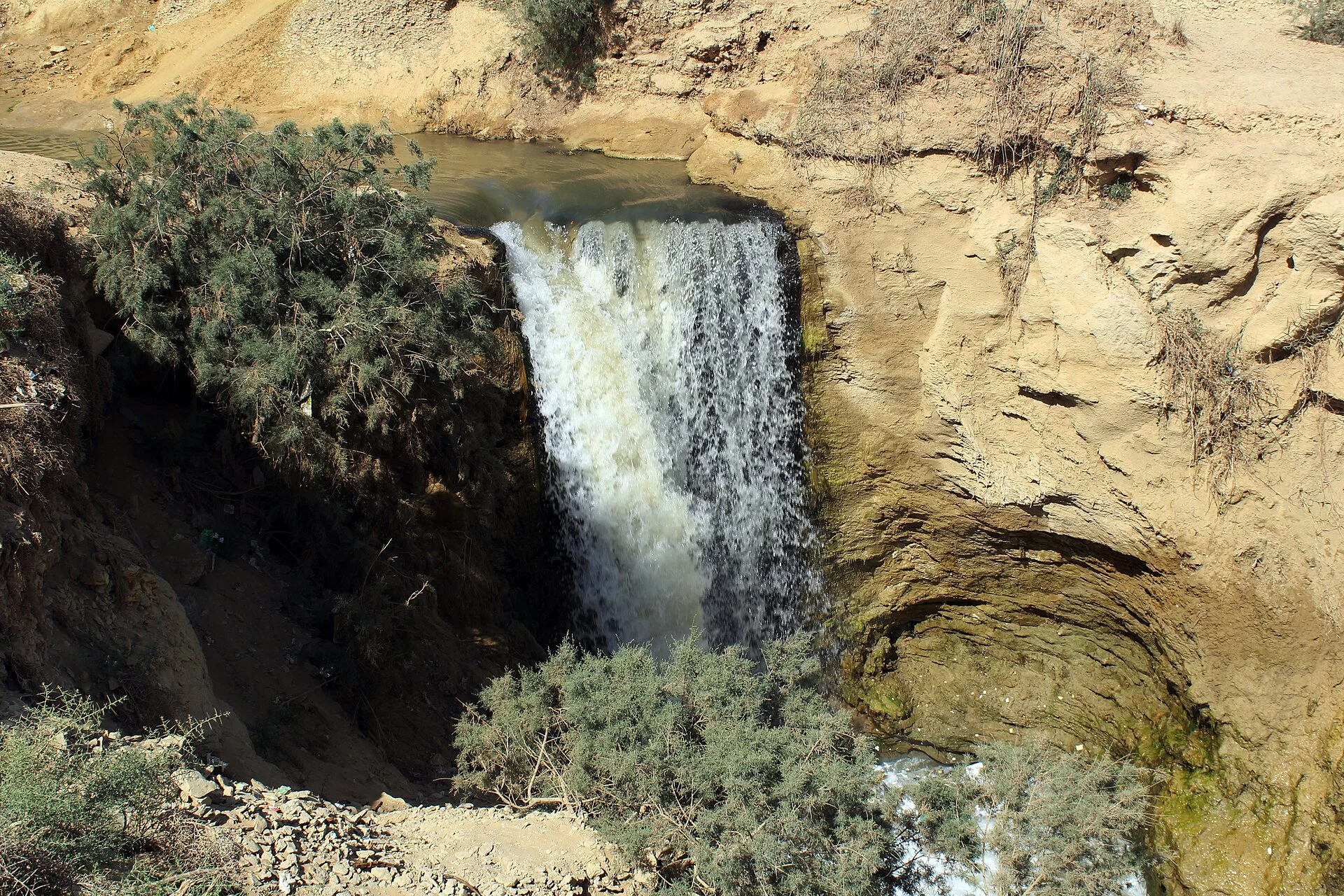
Wadi El Rayan and its waterfalls
Wadi El Rayan is a protected area built around two linked artificial lakes, created in the 1970s to drain excess agricultural water from the Fayoum basin. Between the two lakes, the water drops over a series of cascades, Egypt's only waterfalls, and the sound and the greenery are a surprise after the drive in across open desert. Beyond the lakes, the dunes are used for sandboarding and jeep safaris, and the area is also one of the country's quieter spots for birdwatching in winter. Allow half a day for the waterfalls, a short boat stop if you want it, and a dune drive.
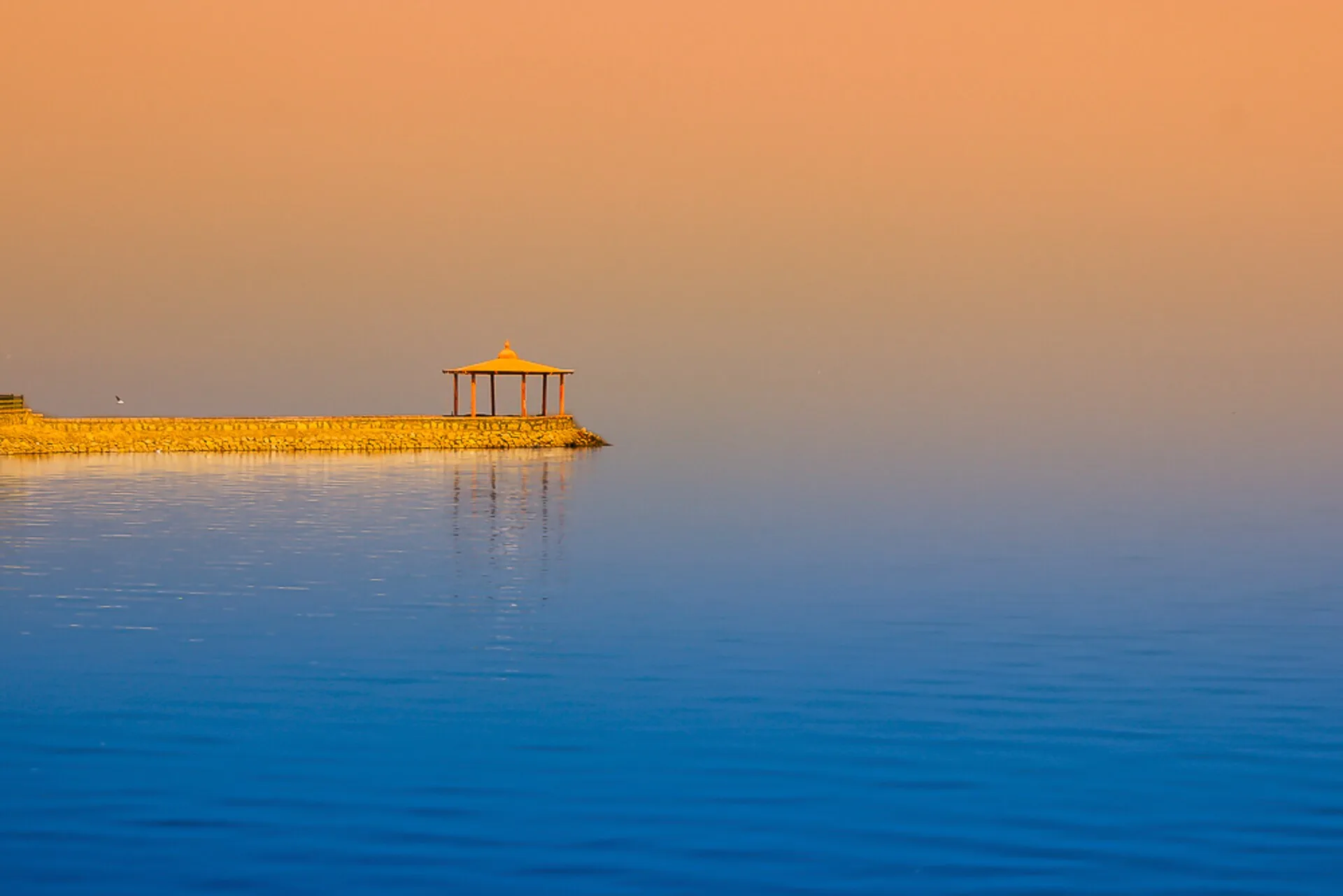
Lake Qarun
Lake Qarun is a remnant of a much larger ancient lake that once covered most of the Fayoum depression, and it still draws birdlife along its shores, along with local fishing boats working the shallows. A short boat trip, a lakeside walk, or simply watching the light change over the water at the end of the day gives a sense of the place that a drive-past does not. Sunset here is one of the better reasons to stay overnight rather than head back to Cairo in the afternoon.
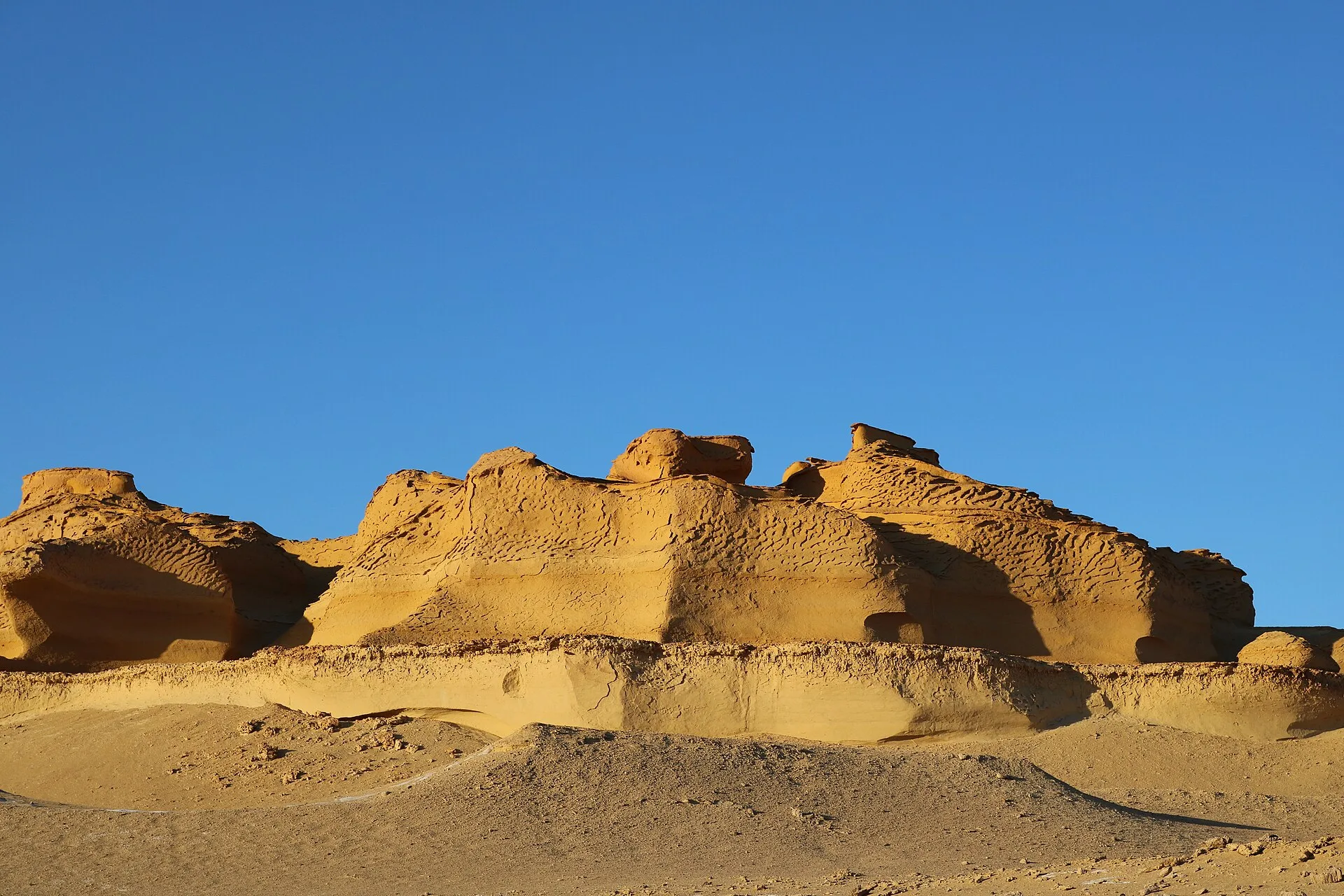
The Valley of the Whales (Wadi Al Hitan)
Wadi Al Hitan, a UNESCO World Heritage Site inside the Wadi El Rayan Protected Area, roughly 80 km from Fayoum City, holds the fossil skeletons of some of the earliest whales known to science, creatures that still had hind legs, laid out across an open desert landscape of eroded sandstone ridges. It lies deeper inside the Wadi El Rayan Protected Area, beyond the waterfalls, on a desert track best driven with an experienced driver, so it pairs naturally with the waterfalls in a single full day.
Tunis Village
Tunis Village sits on the south-western shore of Lake Qarun and has built a quiet reputation around pottery, with studios run by local and international artists who settled here from the 1980s onward. A couple of hours is enough to walk the lanes, watch potters at work and pick up something from one of the workshops, but the village is also a pleasant place simply to sit with a view over the lake. It works well as a base for the wider trip rather than a stop on the way through, and many of its small lodges and cafes are run by the same artists who shaped the village's reputation in the first place.
How many days to give Fayoum
Two to three nights lets the destination breathe. A first day covers Wadi El Rayan's waterfalls and dunes with a stop at Lake Qarun. A second day can pair the Valley of the Whales with a slower return through Wadi El Rayan's dunes. A third, more relaxed half day suits Tunis Village, its pottery studios and a last look at the lake before heading back towards Cairo. Travellers with only a single day available can still see Wadi El Rayan and the Valley of the Whales on a long day trip from Cairo, but that pace leaves out Lake Qarun at sunset and the slower pleasures of Tunis Village, which is where an overnight stay earns its keep.
A useful way to think about it is that each full day in Fayoum should have one main anchor rather than two. Trying to add Lake Qarun and Tunis Village to a waterfalls and fossil-valley day means long stretches in the car and very little time actually standing in front of any of it. Spreading the same sights across two or three days, with Tunis Village as a base, keeps the driving sensible and leaves room to simply sit by the water in the early evening, which is when Fayoum is at its best.
Best time of year to visit
October to April brings the most comfortable conditions, both for the open desert stretch out to the Valley of the Whales and for the dune drives around Wadi El Rayan, where there is little shade. Winter mornings can be cool enough for a light jacket, warming up quickly once the sun is up. Summer months bring strong heat away from the water, so visits in that period are better kept to the early morning or arranged around shade and rest at a lakeside base. Whatever the season, a hat, sun protection and comfortable closed shoes are worth packing for the dune and desert sections, since the ground can be loose and the sun is direct with almost no tree cover away from the lake.
What to pack and what to book ahead
A Fayoum trip is mostly outdoors, so practical clothing matters more than anything formal. Light layers work for the winter months, when early mornings can be cool by the lake, and breathable fabrics suit the desert sections in any season. Closed shoes are more useful than sandals once you are on the dunes or walking around the waterfalls, where the ground is uneven. A swimsuit is worth packing if the hotel has a pool, since the lake itself is not generally used for swimming.
The Valley of the Whales is the one element that needs arranging ahead of time rather than on arrival, since the drive needs a 4x4 and a guide familiar with the fossil beds. Wadi El Rayan's dune safaris are easiest to book locally through a hotel or driver once you are already in Fayoum, but travellers who want a fixed plan for the whole stay, including the Valley of the Whales, generally arrange it before leaving Cairo.
Getting there and getting around
Fayoum is about two hours from Cairo by road, ; the slow local train is rarely practical for visitors and there are no flights. A private car, taxi or an organised tour with transport included is the practical way in, and the same applies to moving between Wadi El Rayan, Lake Qarun, Tunis Village and the Valley of the Whales once you have arrived, since the sights are spread across the depression rather than clustered in one town. Fayoum pairs naturally with a stay in Cairo, either as an add-on before or after the city's main sights, including the Pyramids, the Sphinx and the Grand Egyptian Museum.
Where to stay
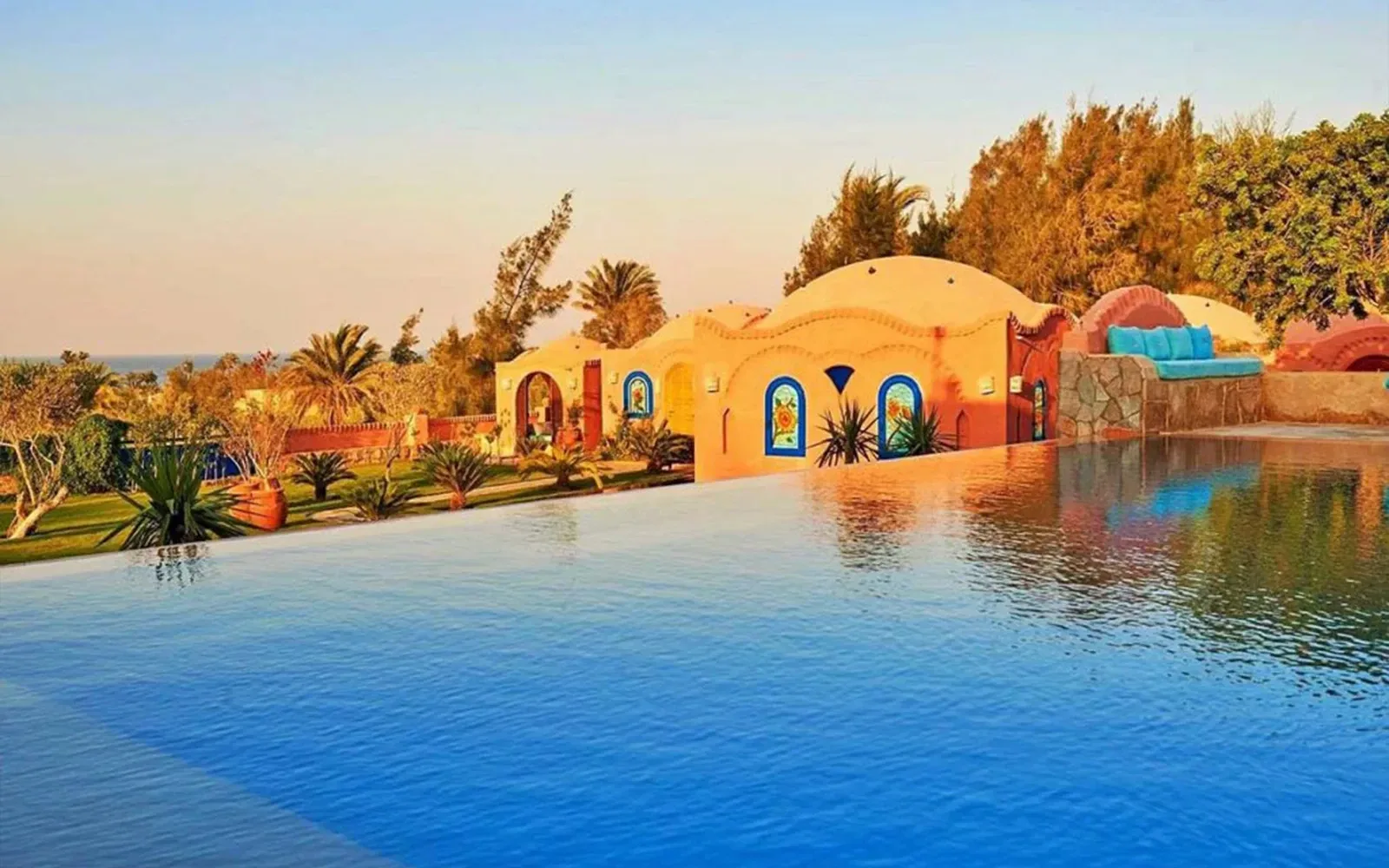
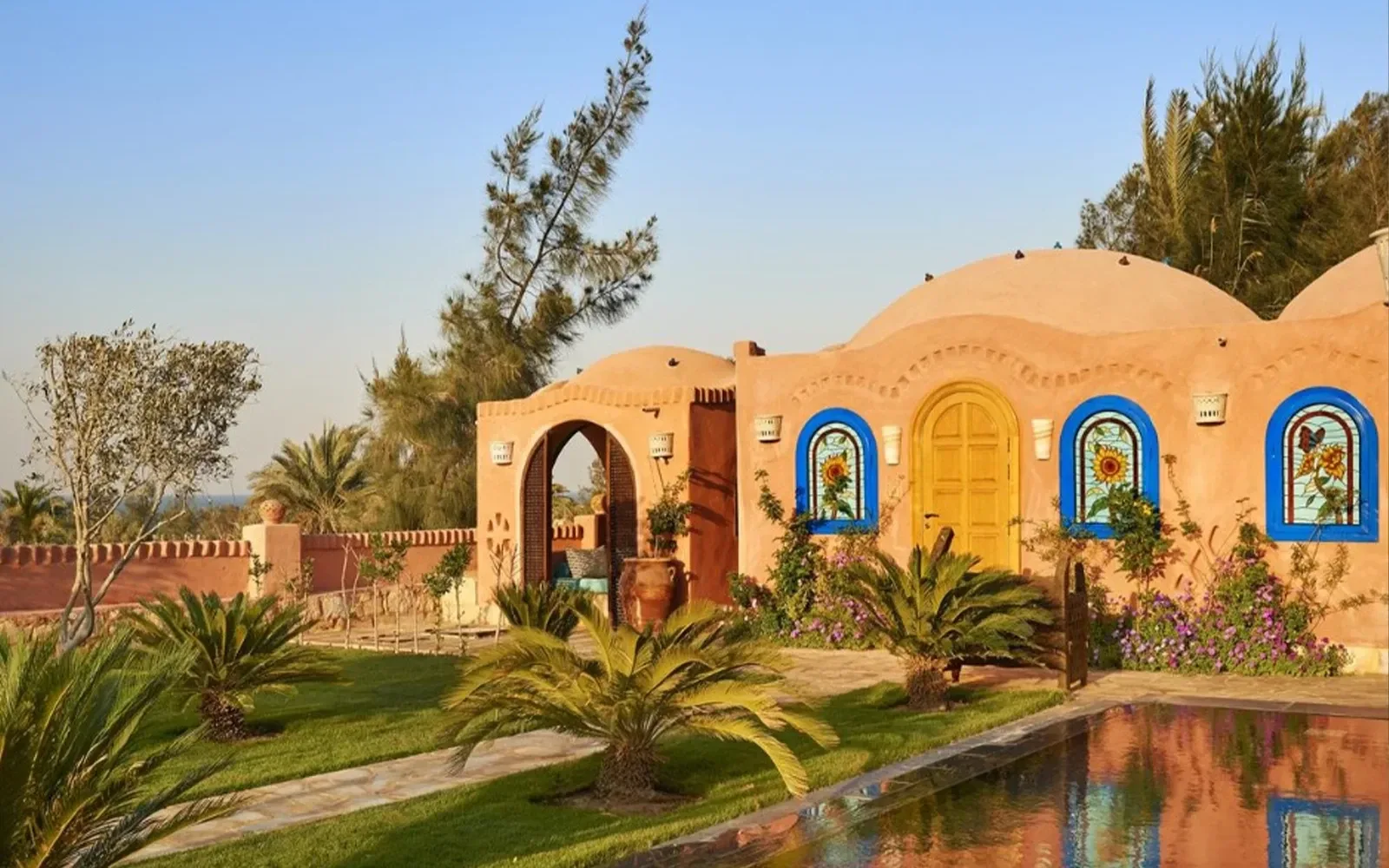
Tunis Village is the most pleasant base for a Fayoum stay, set above the south-western shore of Lake Qarun with views over the water and easy access to the pottery studios. Lazib Inn Resort & Spa is a boutique resort at the edge of the village, its domed, Nubian-style buildings and gardens giving it a character that suits the slower pace of a Fayoum visit rather than a one-night stopover.
Programmes that include Fayoum
Panda Travel Egypt includes Fayoum as part of a wider Egypt itinerary rather than as a separate trip. The Luxury Egypt Escape: Cairo and the Fayoum Oasis pairs three nights at The Nile Ritz-Carlton in Cairo and a private Egyptologist-led visit to the Pyramids and the Grand Egyptian Museum with time in the Fayoum desert oasis, a slower, more refined way to see both sides of the capital's reach in one trip. Travellers wanting to compare it against other five-star routes around Cairo can browse the wider Luxury Egypt collection, or see the full range of itineraries across all Egypt tour packages.
For a first visit, the Luxury Egypt Escape, which ends with a night at a boutique desert resort in Fayoum, covers the oasis properly without adding unnecessary days to a Cairo-based trip.