Hurghada sits on Egypt's Red Sea coast, about 450 km south-east of Cairo, and it is the largest and longest-established resort town on Egypt's Red Sea coast. Most visitors come for the reef, and rightly so, but the things to do in Hurghada go beyond sun loungers: boat trips out to coral reefs and islands, a desert safari into the Eastern Desert's mountains and valleys, and, for travellers with a spare day, an overland link to Luxor and the temples of the Nile. For anyone planning a wider Egypt trip, Hurghada works best as a stop that bridges the ancient sites and the sea, rather than a destination on its own.
The best things to do in Hurghada
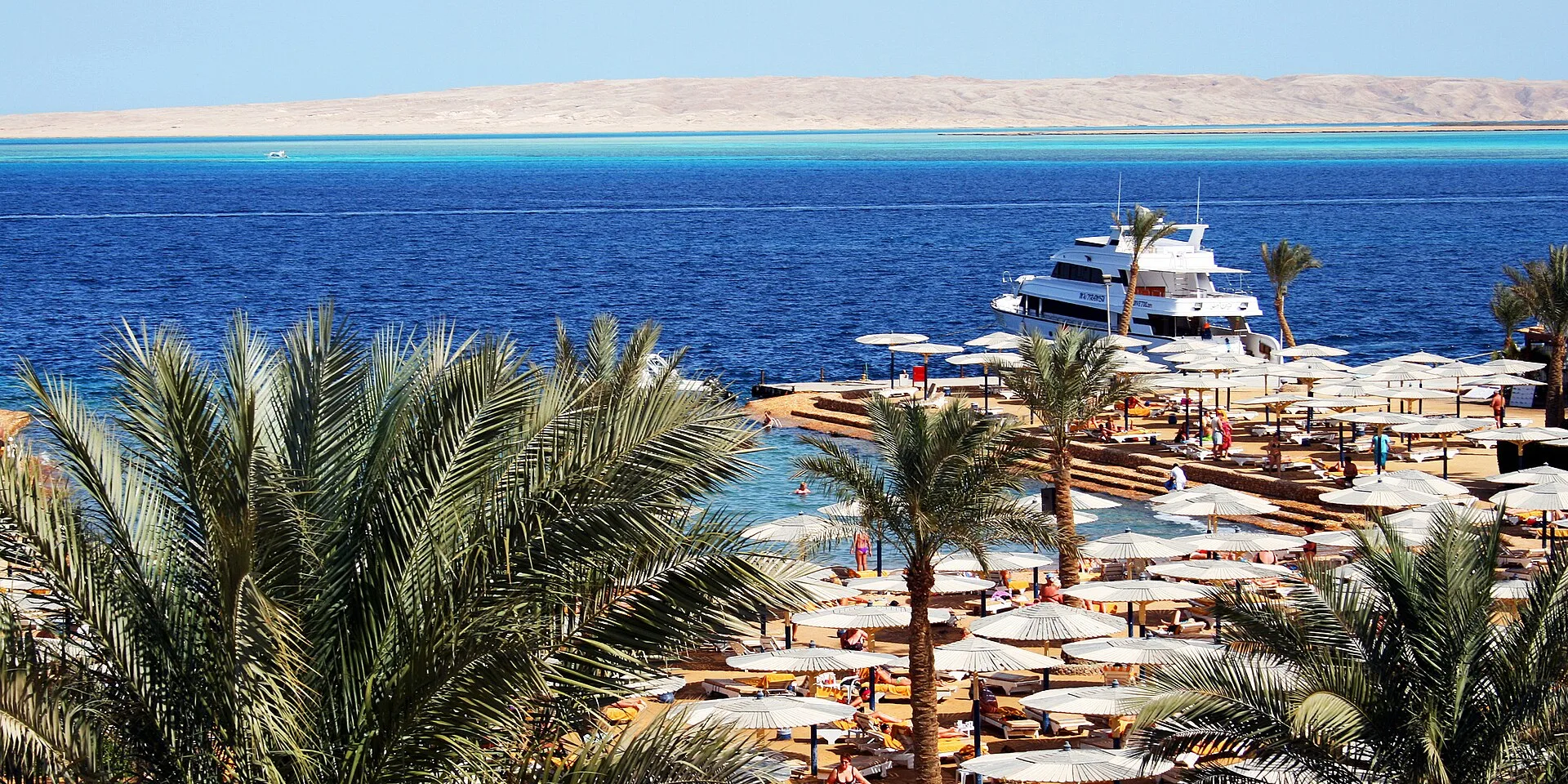
Hurghada's appeal is built around the water. The town faces a long stretch of reef and a scatter of islands, and most hotels and dive centres run boats out to them daily. Beyond the reef, the desert that backs onto the coast adds a change of scene for travellers who want a half-day away from the beach, and the town itself has enough going on in the evenings to fill a quiet night without an excursion.
What sets Hurghada apart from Egypt's other Red Sea towns is the range on offer within a short drive of most hotels. A traveller based here can fit a morning on a reef boat, an afternoon by the pool, and an evening stroll along the marina into a single day, something that is harder to manage in smaller coastal towns further south. The infrastructure for excursions is well established too, since the resort has been operating as a dive and beach base for decades, and hotel tour desks can arrange licensed boat and safari operators.
Red Sea snorkelling and diving trips
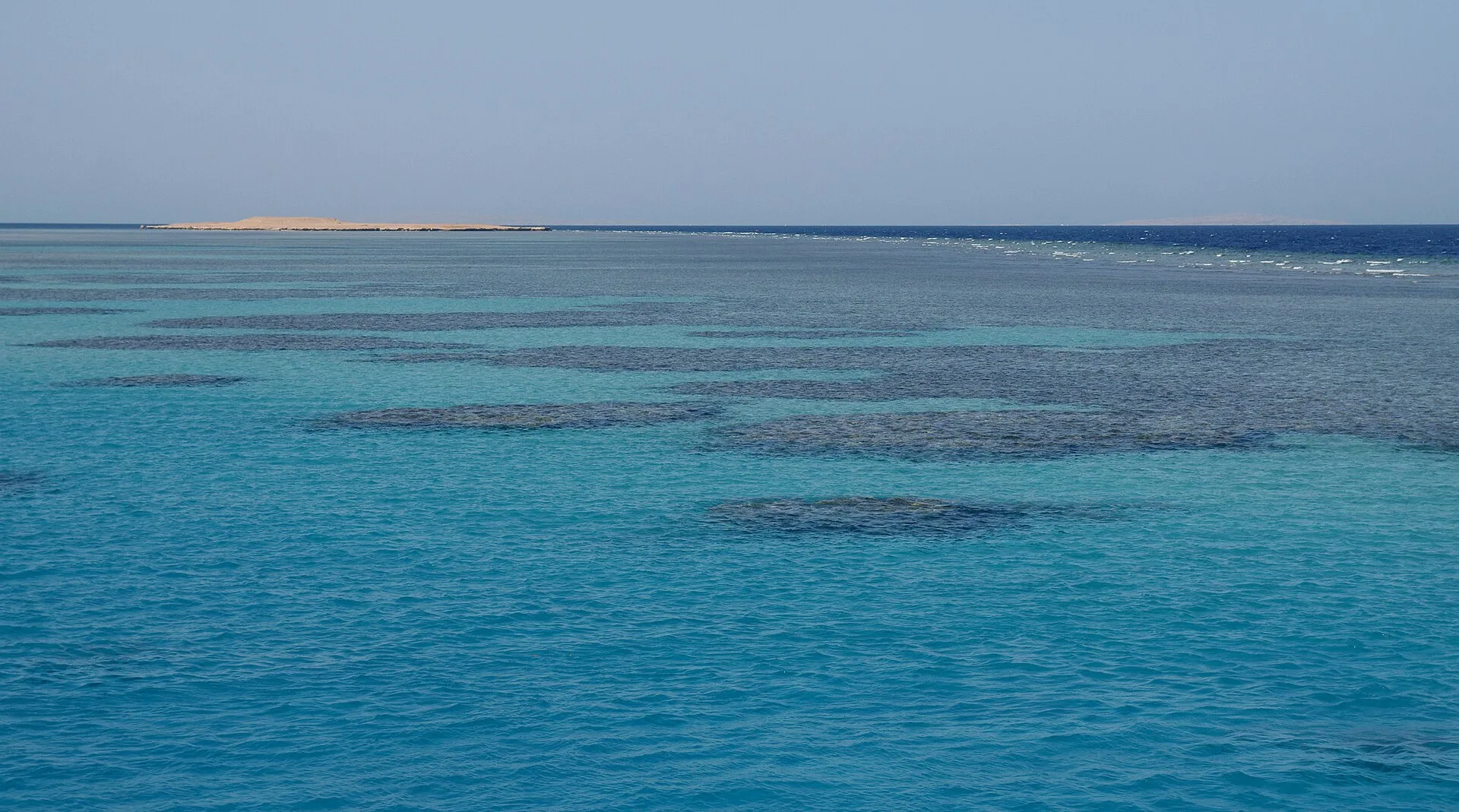
Boat excursions to nearby reefs and islands are the single most popular activity, and they run as half-day or full-day trips depending on the site. A typical half-day trip includes two snorkelling or dive stops and takes around 4 to 5 hours door to door, including the boat transfer. Full-day trips to islands further offshore add a lunch stop and more time in the water, and usually run 7 to 8 hours. Certified divers have a wider choice of sites and wreck dives; snorkellers are usually kept to shallower reef sections with good visibility.
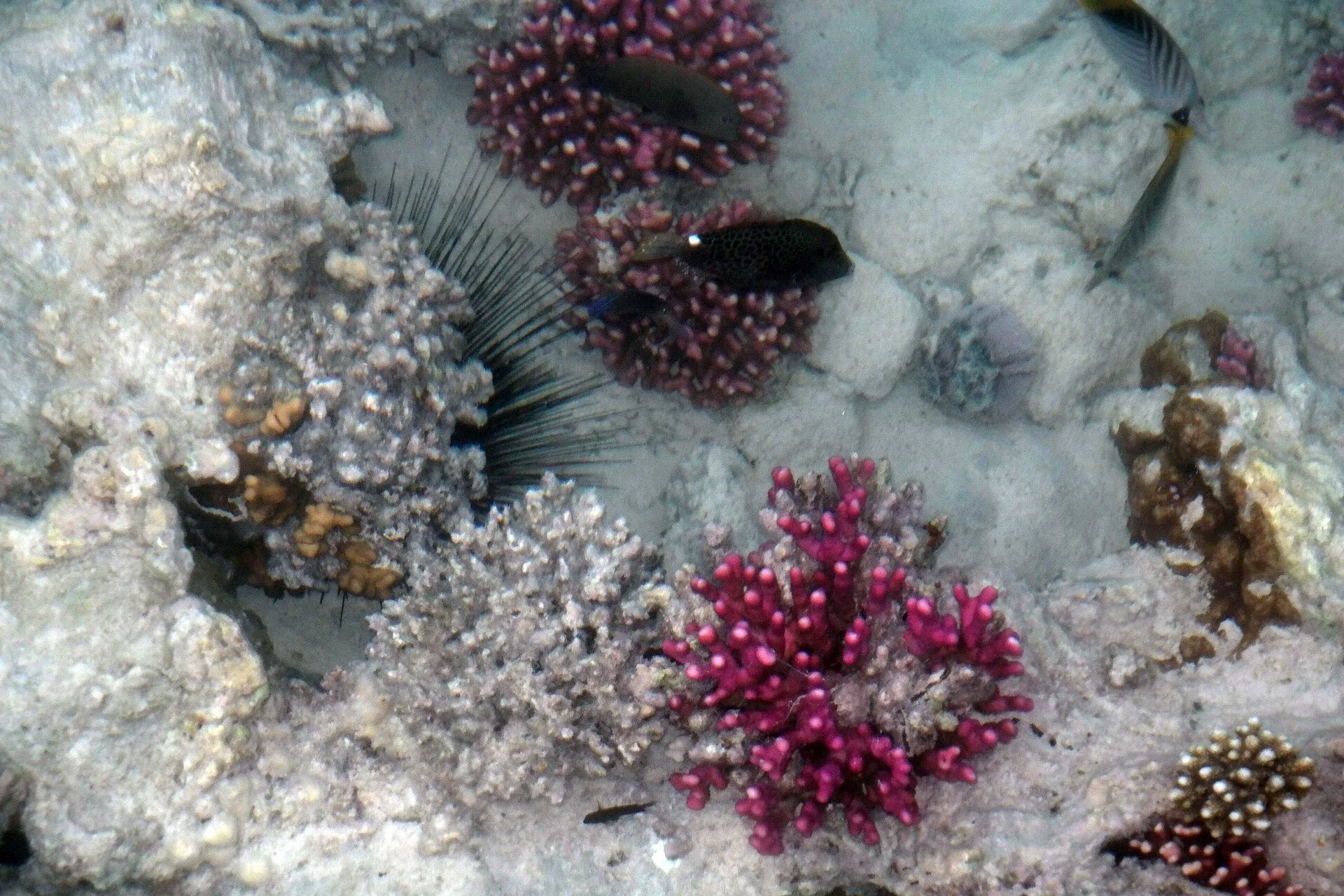
Bring a reef-safe sunscreen, a light rash vest for sun protection in the water, and a hat and sandals for the boat deck. Most operators supply masks, fins and snorkels, but travellers with their own gear often prefer the fit. Mornings generally bring calmer water and better visibility than the afternoon, so an early start pays off if the trip allows a choice of time. Travellers prone to seasickness should ask about sea conditions before booking a full-day island trip, since the crossing to the farther reefs can be choppier than a short inshore run.
Desert safari into the Eastern Desert
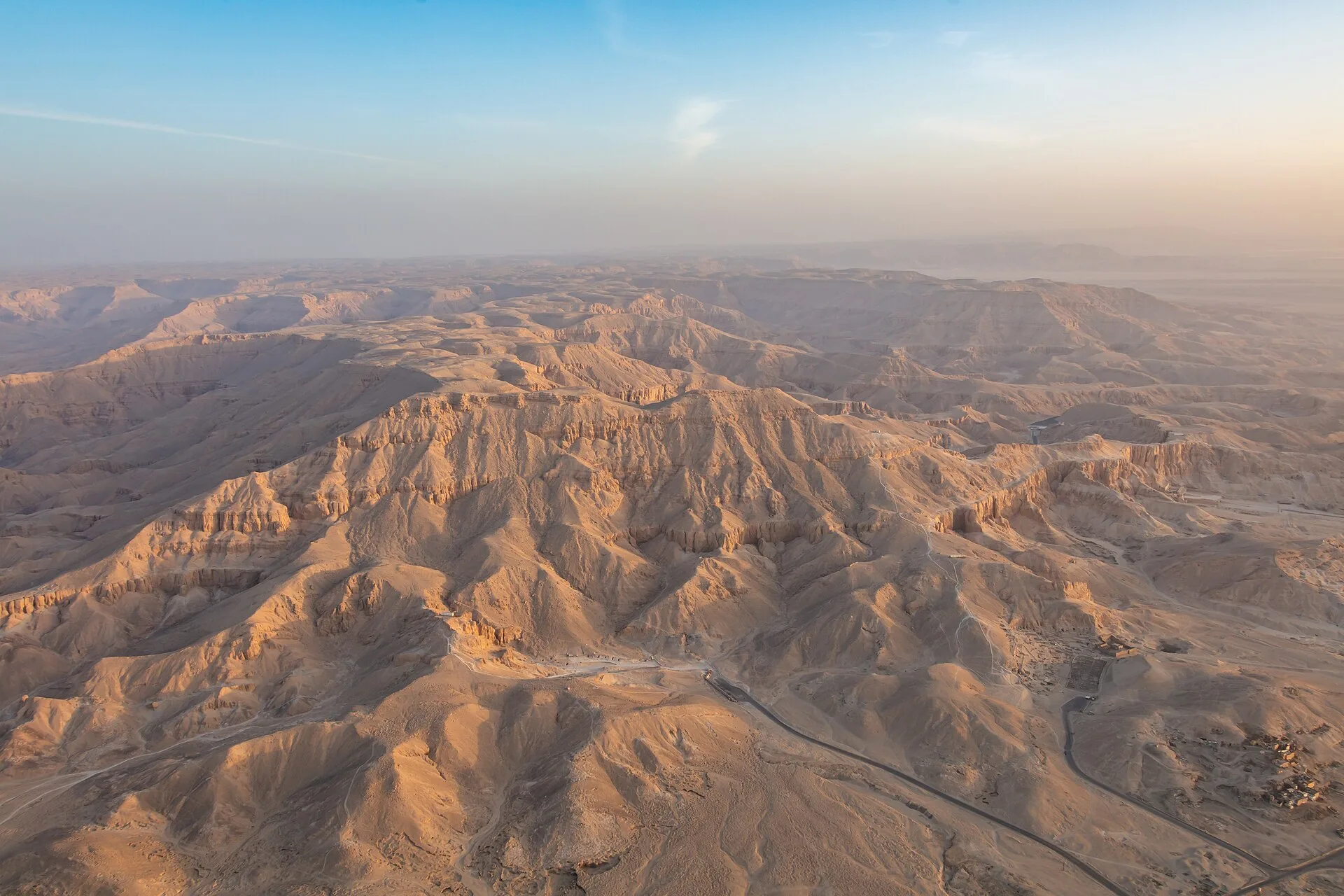
A few kilometres inland, the Eastern Desert's hills and wadis are the setting for quad bike and buggy safaris, usually run as half-day trips in the late afternoon to avoid the hottest hours. These typically combine a drive or ride across the desert plains and wadis with a stop at a Bedouin camp for tea, and sometimes a short camel ride. Expect to be back at the hotel within 3 to 4 hours for an afternoon departure, or similar for a sunrise trip. A buff or scarf for the dust, closed shoes and a layer for the cooler evening air make the ride more comfortable, particularly once the sun goes down and the temperature drops fast.
Some operators also offer a stargazing stop on the way back from an evening safari, once the vehicles are parked away from the town's lights. It is a straightforward add-on rather than a separate booking, and worth asking about when the excursion is confirmed, since clear desert skies away from Hurghada's coastal haze can be striking even without special equipment.
Hurghada Marina and the old town
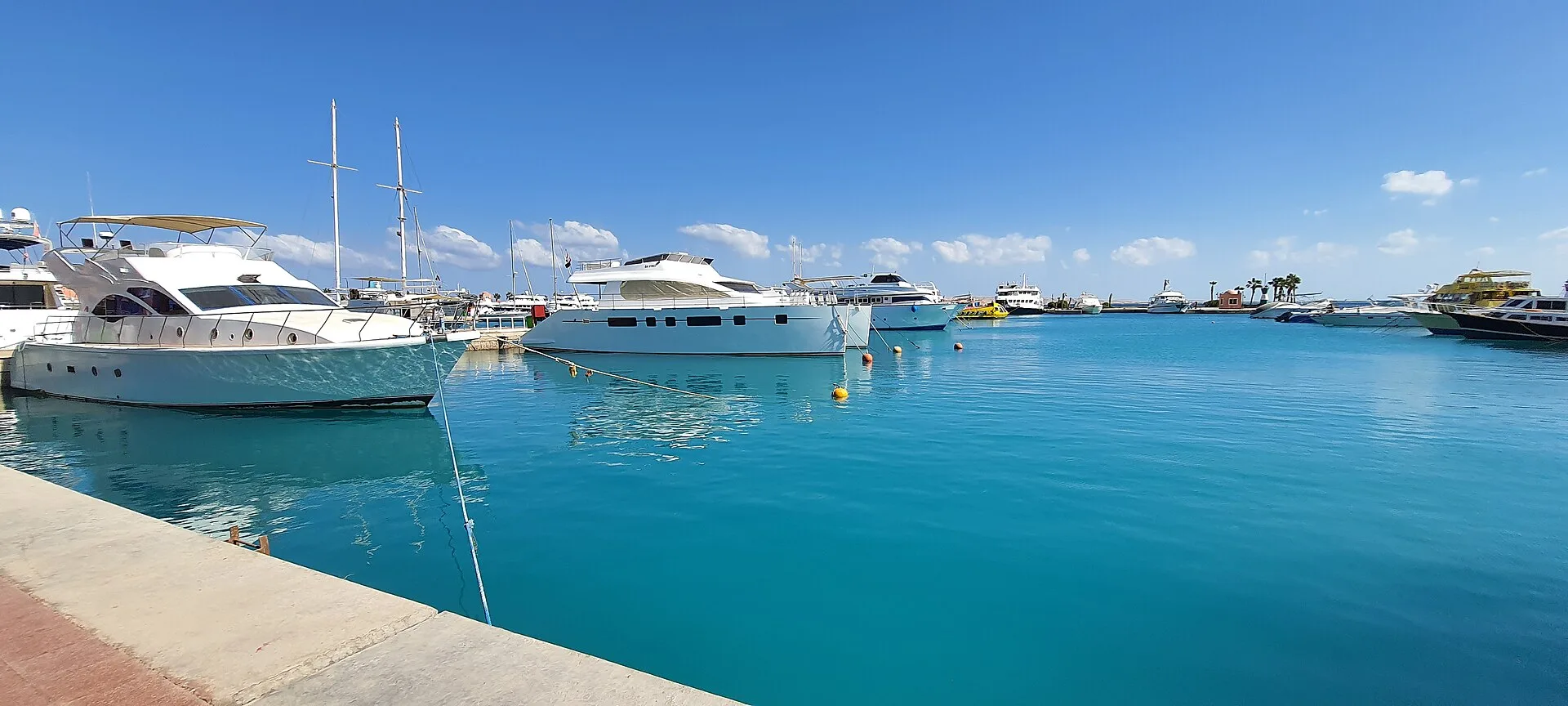
Hurghada Marina, lined with boats and waterside cafés, is worth an evening stroll, particularly for travellers staying in the newer resort strip to the south. El Dahar, the old town to the north, has a more local feel, with a market area and older streets that contrast with the hotel district. An evening in El Dahar pairs well with a seafood dinner, since several restaurants there work directly with the morning's catch.
Day trip to Luxor
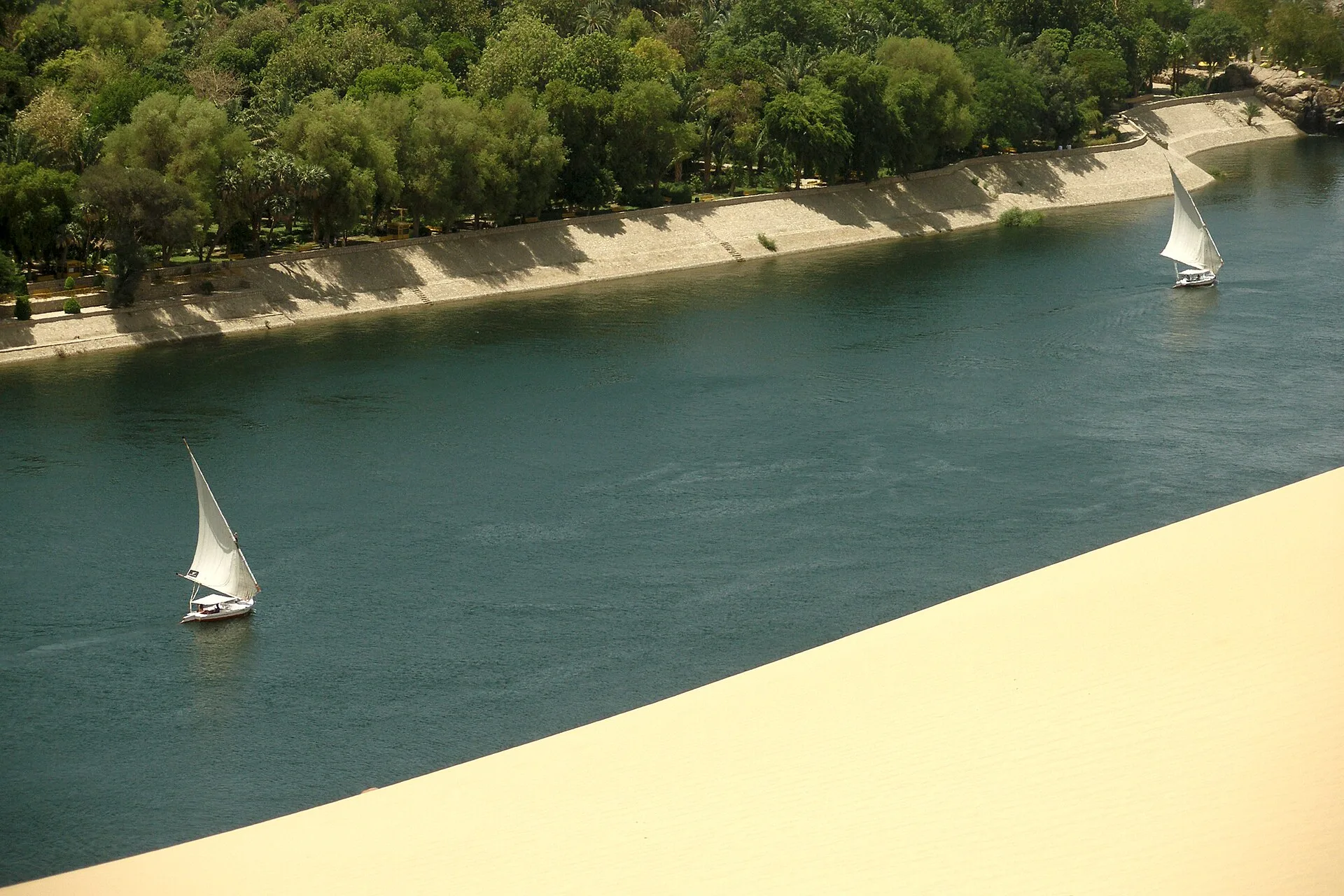
For travellers who want a taste of ancient Egypt without leaving their Red Sea base, a day trip to Luxor is possible, though it makes for a long day: the drive is roughly 4 to 5 hours each way, with several hours at Karnak Temple, Luxor Temple and sites on the West Bank in between. It suits travellers with limited time who cannot fit in a separate Luxor stay. Anyone who wants to see the Valley of the Kings, Karnak and the West Bank properly, without rushing, is better served by a multi-day programme that includes a Nile cruise; our Luxor to Aswan Nile cruise guide sets out what each day on the river looks like.
How many days to give Hurghada
Two days covers one reef trip and one desert excursion, with time left for the beach or pool. Three to four days allows for a second boat trip to a different reef, a slower pace, and possibly the day trip to Luxor. Travellers combining Hurghada with the Nile and Cairo typically spend two to three nights here at the start or end of a longer Egypt itinerary, which keeps the sea days relaxed rather than rushed. Travellers who dive rather than snorkel often prefer three nights minimum, since a second or third day in the water allows a wider choice of sites beyond the closest reefs. Families with young children sometimes extend to five or six nights and skip the desert safari in favour of pool and beach time, since the midday heat on an open quad bike is not always comfortable for small children.
Best time to visit Hurghada
March to May and October to November bring warm days and comfortable water temperatures, without the extreme heat of midsummer, and are generally the most pleasant months for diving, snorkelling and desert trips. Winter is cooler, with some breezy days, but still mild enough for swimming and reef trips for most visitors. July and August are hot, and desert excursions are best scheduled for early morning or late afternoon in those months. Visibility underwater tends to hold up well across most of the year, since the Red Sea's reefs are not affected by the seasonal silt that can cloud some other diving destinations. For how Hurghada's climate fits into a season-by-season view of the whole country, see our guide to the best time to visit Egypt.
How to get to Hurghada and get around
Hurghada International Airport has regular domestic flights from Cairo, a flight of around an hour, as well as direct international charter and scheduled flights from several European cities. By road, Hurghada is roughly 4 to 5 hours from Cairo, a route also used by programmes that link the Red Sea with the pyramids and the Nile. Within town, taxis and ride-hailing apps cover the resort strip, Sakkala, El Dahar and the marina easily; most excursions, whether a reef boat or a desert safari, include hotel pickup and drop-off as part of the trip. Travellers without a fixed plan for every day often find it simplest to book a room with transfers already arranged and then add excursions once they have checked in and spoken to the hotel's tour desk.
Where to stay in Hurghada
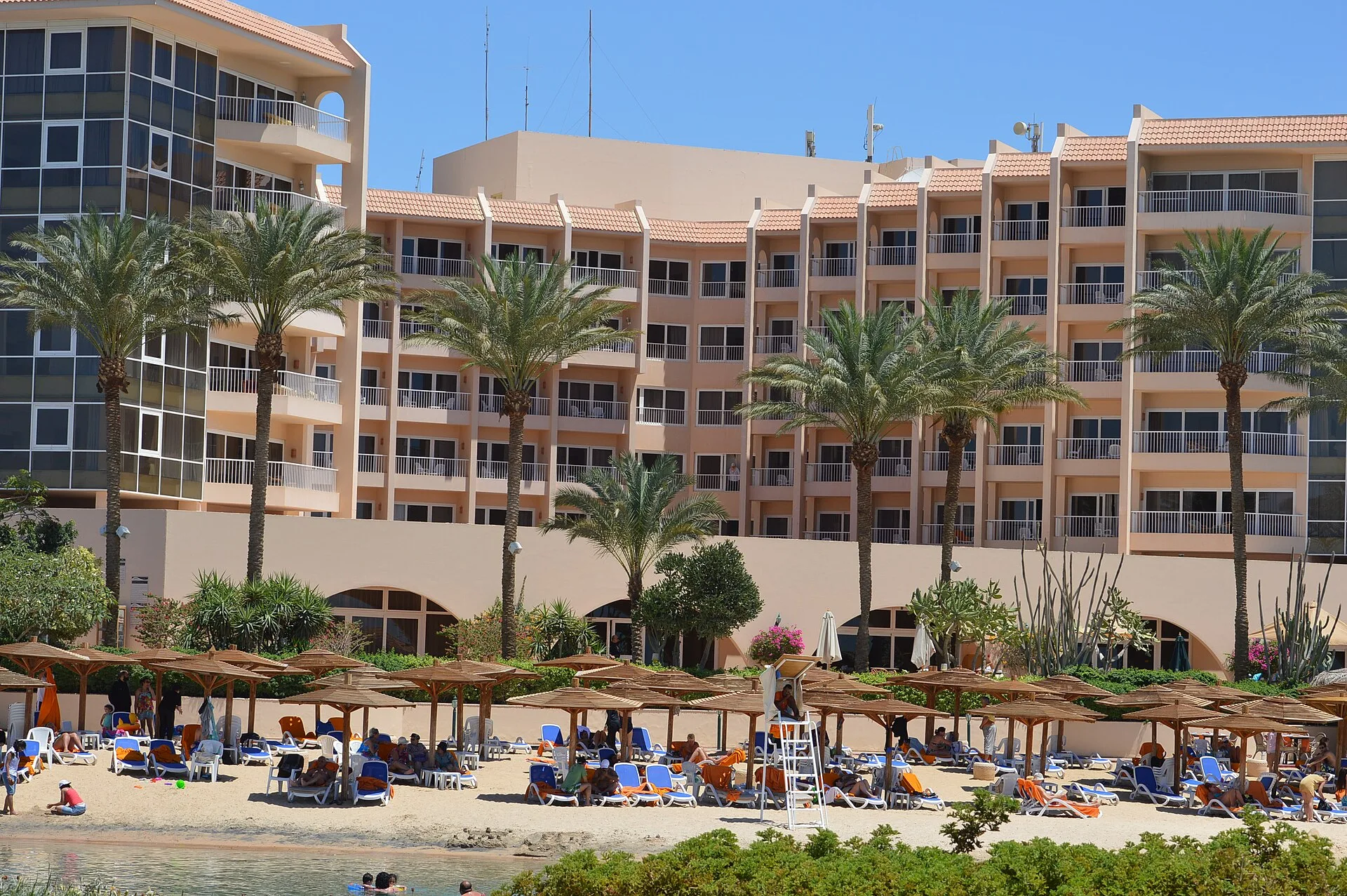
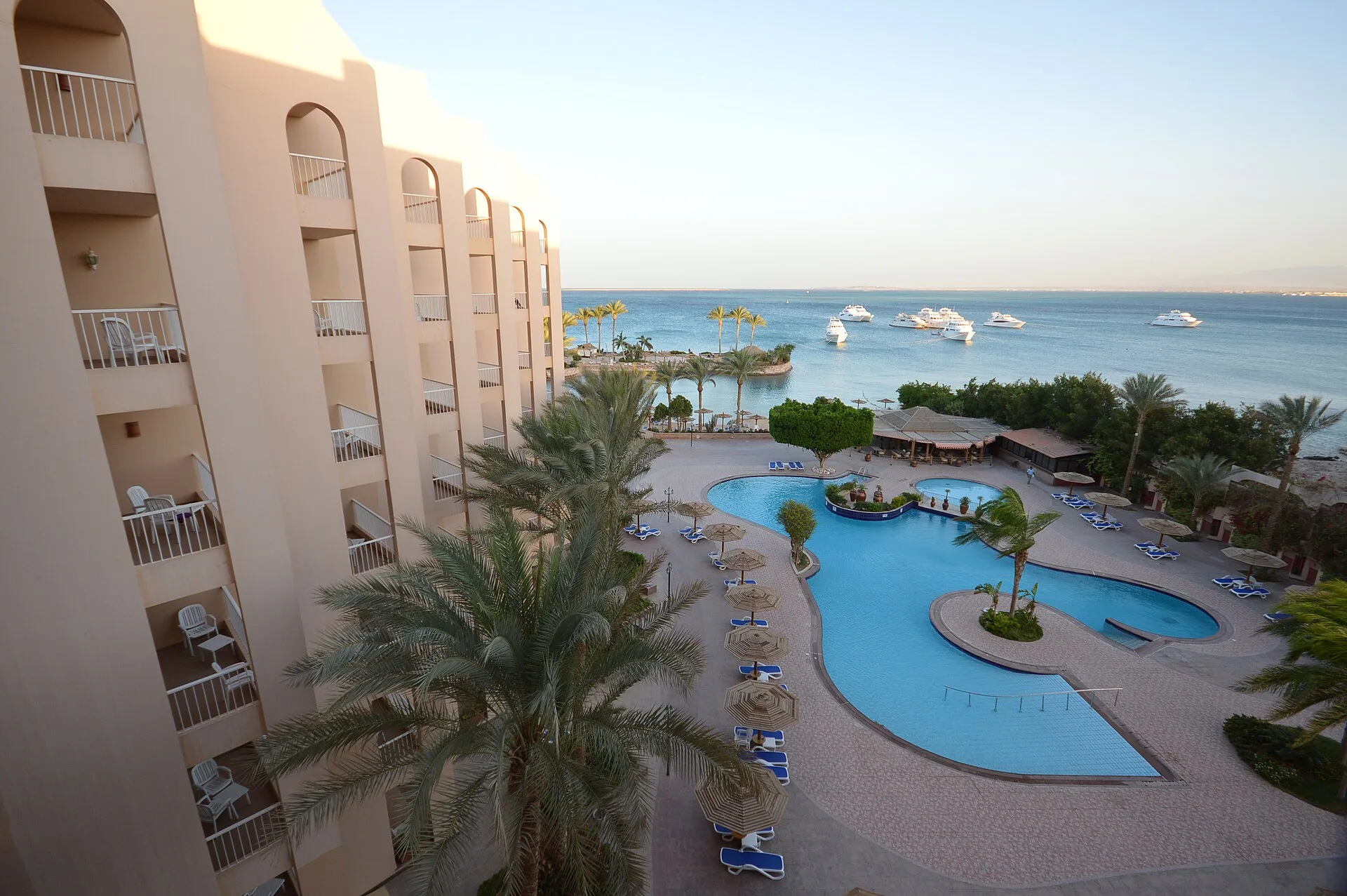
Hurghada's hotels cluster into a few distinct areas, each with a slightly different feel. Hurghada Marriott Beach Resort sits on Sheraton Road in central Hurghada, between the Sakkala district and the resort strip to the south, a useful base for travellers who want to be close to restaurants and the marina as well as the beach.
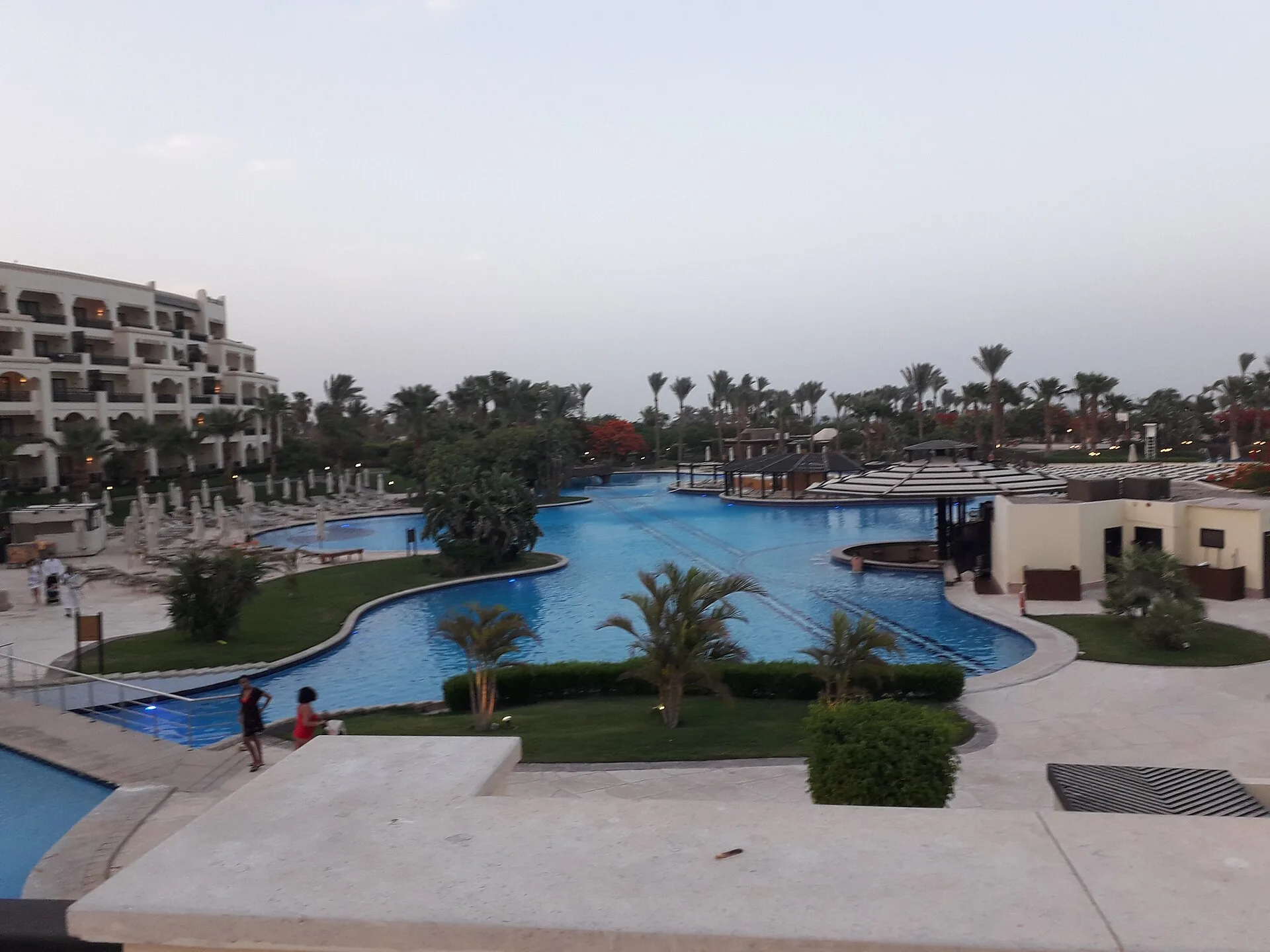
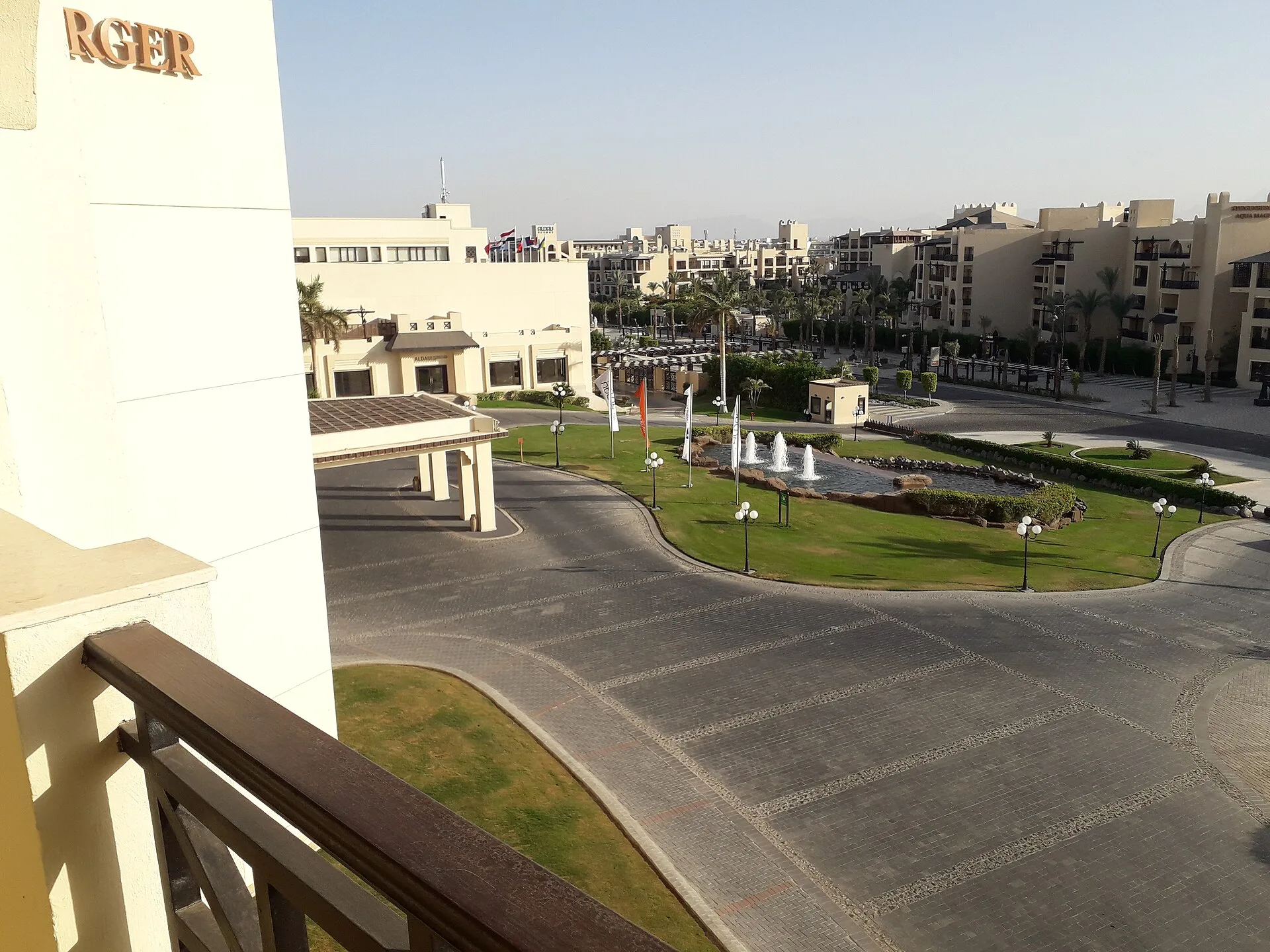
Further south, on Yussif Afifi Road in Hurghada's resort strip, the Steigenberger ALDAU Beach Hotel is a short drive from Hurghada International Airport, convenient for travellers arriving by domestic flight.
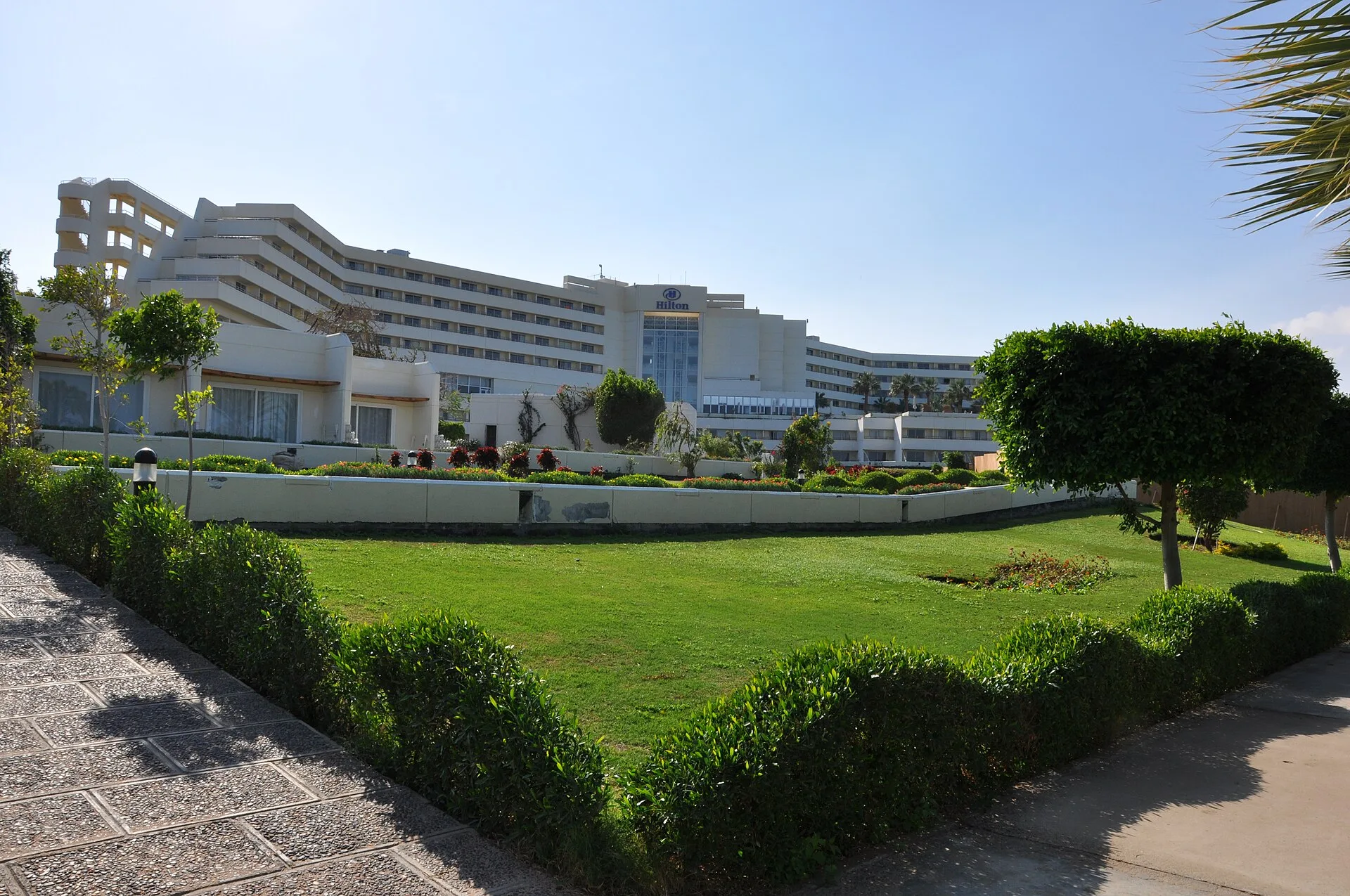
At the northern end of town, in the El Dahar district, the Hilton Hurghada Plaza sits on a hillside off Gabal El Hareem Street, with views over its gardens towards the marina and the sea, and the old town close by for travellers who want a more local feel in the evenings.
Programmes that include Hurghada
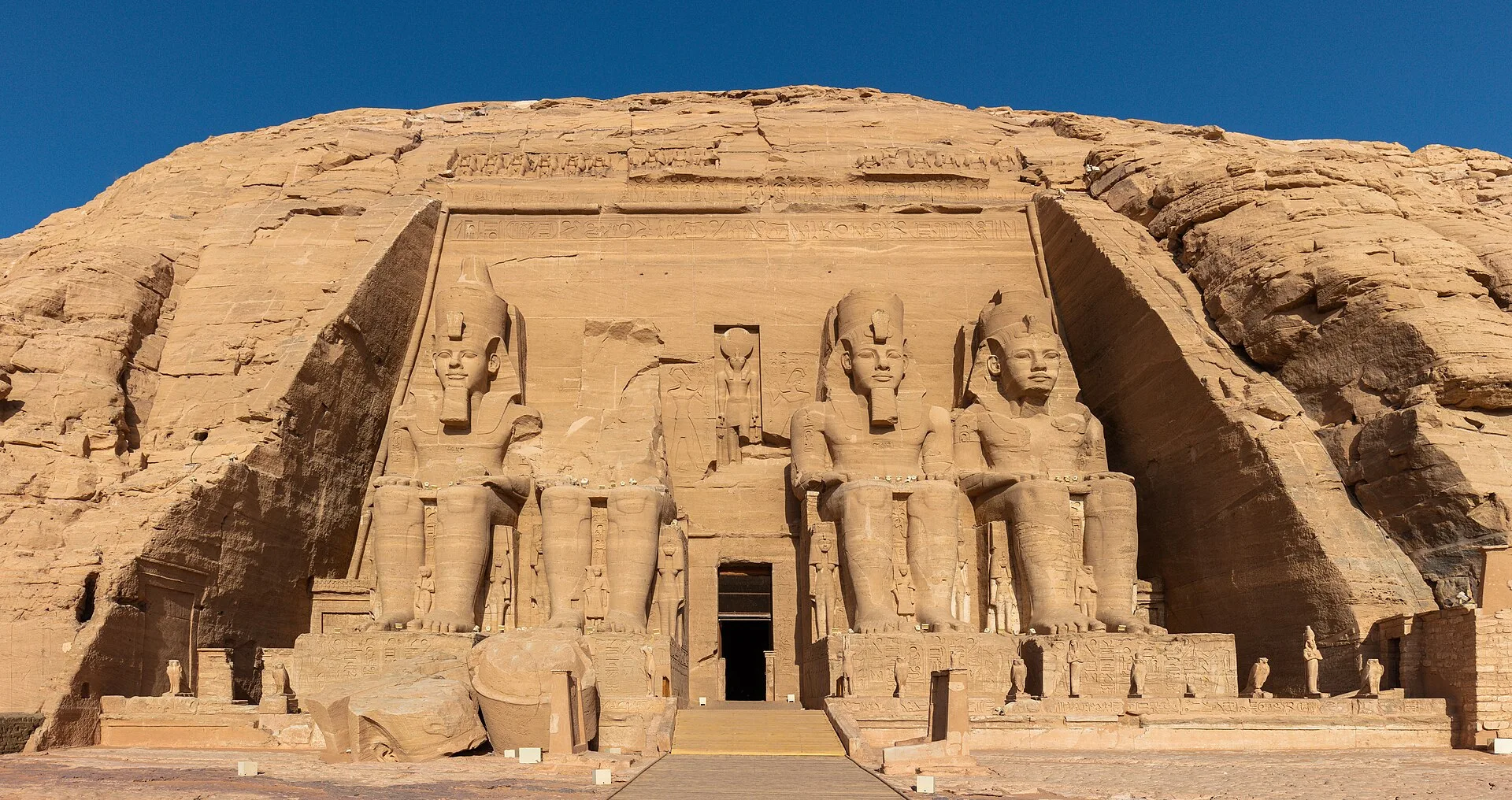
Hurghada appears on several Panda Travel Egypt programmes that pair the Red Sea with the Nile and Cairo, built for travellers who want both sides of the country rather than a beach stay alone. From the Red Sea to the Nile includes two relaxed nights in Hurghada with a four-night Nile cruise between Luxor and Aswan and a day trip from Aswan to Abu Simbel, and finishes in Cairo. Mystical Egypt Adventure: Sky, Sea & Sand Expedition adds the pyramids, Saqqara and the Grand Egyptian Museum ahead of its Red Sea time. Egypt's Living History by Train, Boat and Sea links the sleeper train from Cairo, a day trip from Aswan to Abu Simbel, then a three-night Nile cruise to Luxor via Kom Ombo and Edfu, and time on the coast in a single overland and river route. All three sit within our Nile & Red Sea collection, which is built specifically around pairing ancient sites with coastal time rather than treating either as an afterthought.
Travellers deciding how long to spend in Hurghada relative to the rest of the country may find our article on how many days to spend in Egypt useful for sketching out a full itinerary before booking flights.
For a first visit, pairing two or three nights in Hurghada with a Nile cruise and a short Cairo stay gives a fuller sense of Egypt than a beach week alone, and it is a shape that suits most first-time visitors.