
Secrets of the Great Pyramid of Giza, and How to See Them
By Panda Travel Egypt Published Reviewed by Ahmed Abdelmawgoud 7 min read
The real secrets of the Great Pyramid of Giza are not conspiracy theories but verified engineering and ongoing scans, and you can see much of it yourself.
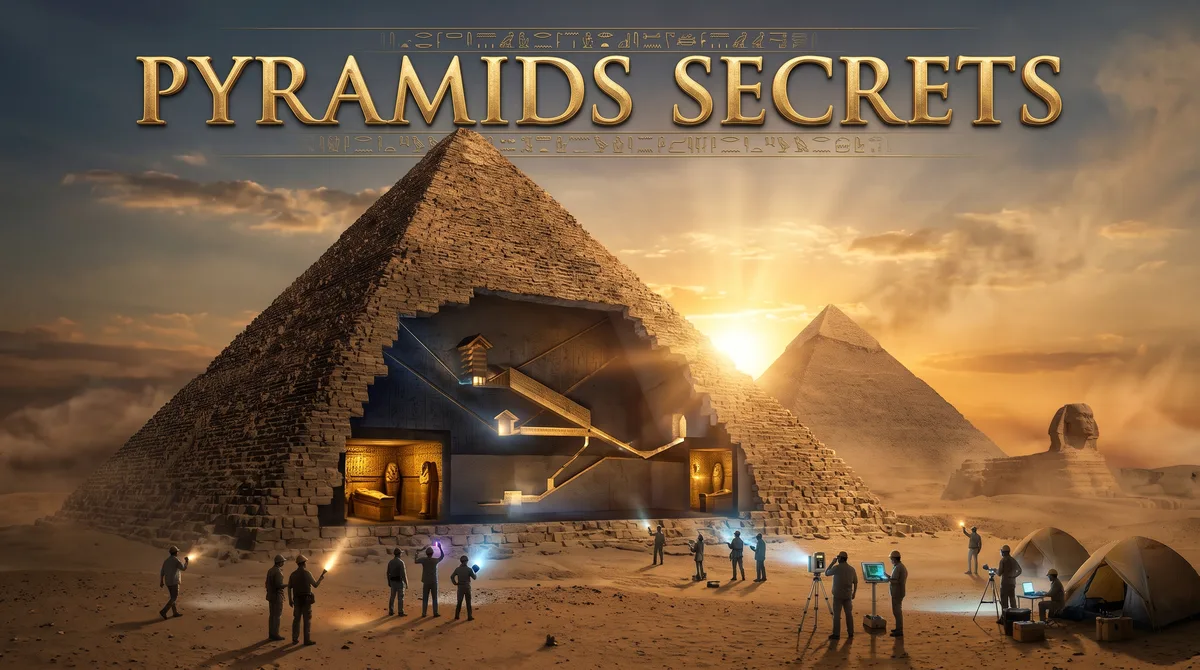
The Great Pyramid's real secrets are its engineering: five relieving chambers above the King's Chamber, the 46.7m Grand Gallery, unexplained shafts in the Queen's Chamber, and the 2017 ScanPyramids Big Void plus a 2023 north-face corridor, both still unexplored. Visitors can see the Grand Gallery and both main chambers on a separate interior ticket; the relieving chambers and the voids are closed to all visitors.
The secrets of the Great Pyramid of Giza are not buried treasure or hidden pharaohs. They are the genuine engineering puzzles inside Khufu's tomb: granite chambers built to protect a burial room from collapse, a sloping gallery nearly 47 metres long, and a large void found in 2017 that nobody has yet explained. These are documented discoveries, some confirmed as recently as 2025. Some of them you can see for yourself on a visit to the Giza plateau, such as the Grand Gallery and the two main chambers, while the relieving chambers and both voids are closed to visitors.
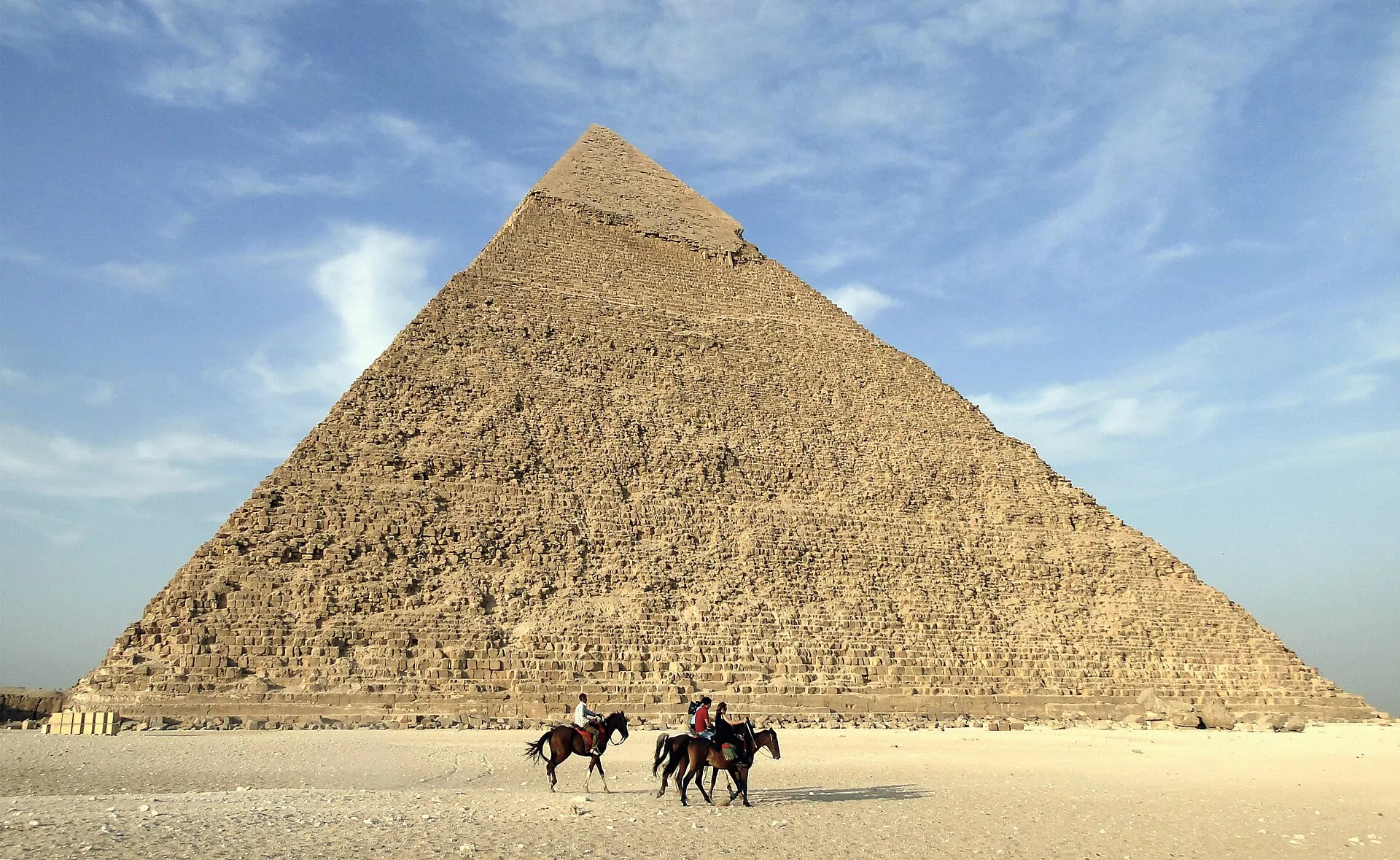
Built around 2600 BC as the tomb of the pharaoh Khufu, the Great Pyramid is the largest of the three pyramids at Giza and the oldest of the Seven Wonders of the Ancient World, the only one still largely intact. It belongs to the UNESCO World Heritage Site that stretches from Giza to Dahshur, inscribed in 1979. For a traveller planning a trip, the interesting part is not the myth around it but what archaeologists and engineers have actually found inside, and how a visit to the interior fits into a day at the plateau.
Great Pyramid of Giza facts worth knowing before you go
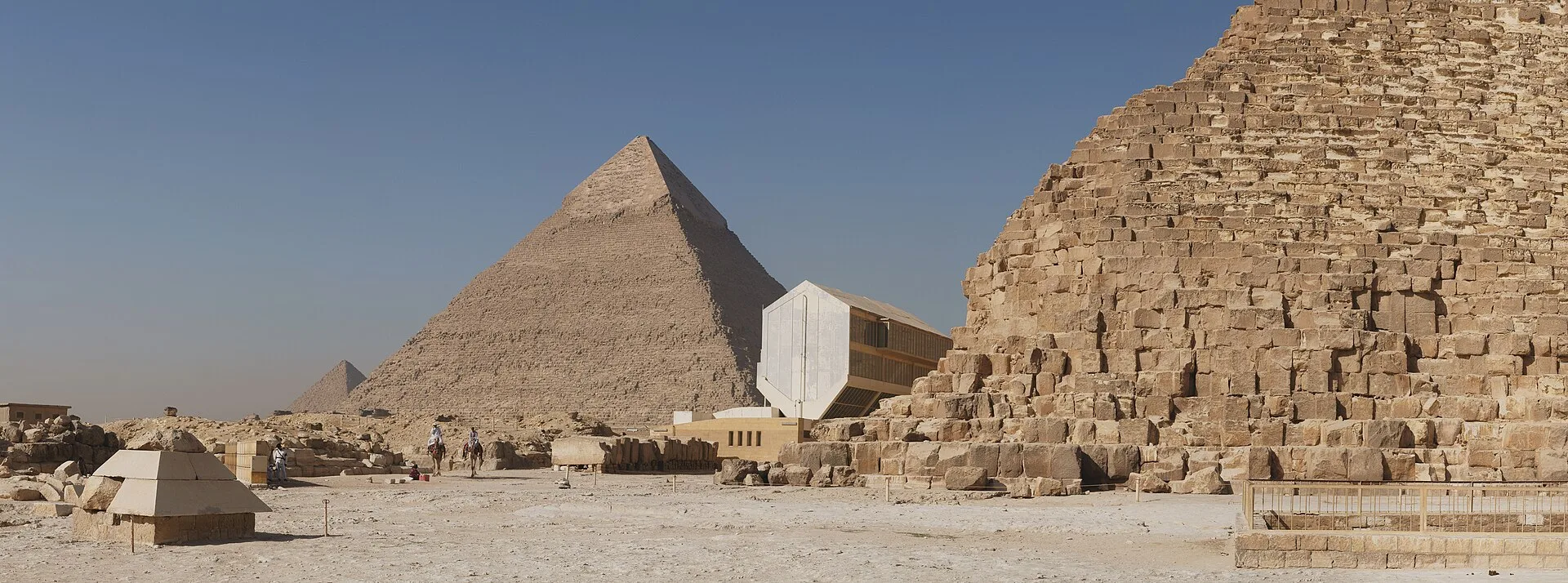
The pyramid originally rose to about 146.6 m. With most of its smooth limestone casing stripped away over the centuries, it now stands at about 138.5 m, still enormous against the desert skyline. It was built from roughly 2.3 million stone blocks, most of them cut from the Giza plateau itself.
Three chambers are known inside: the Queen's Chamber and the King's Chamber above ground, and an unfinished chamber cut into the bedrock beneath the structure. None of them carries decoration or inscriptions, aside from graffiti left by ancient work gangs, including Khufu's own name scrawled by the crews who built it. That plainness surprises many first-time visitors, who expect the painted scenes found in the Valley of the Kings at Luxor. The Great Pyramid's interior was never meant to be seen; its walls speak through engineering, not art.
Inside the Great Pyramid: the Grand Gallery and King's Chamber
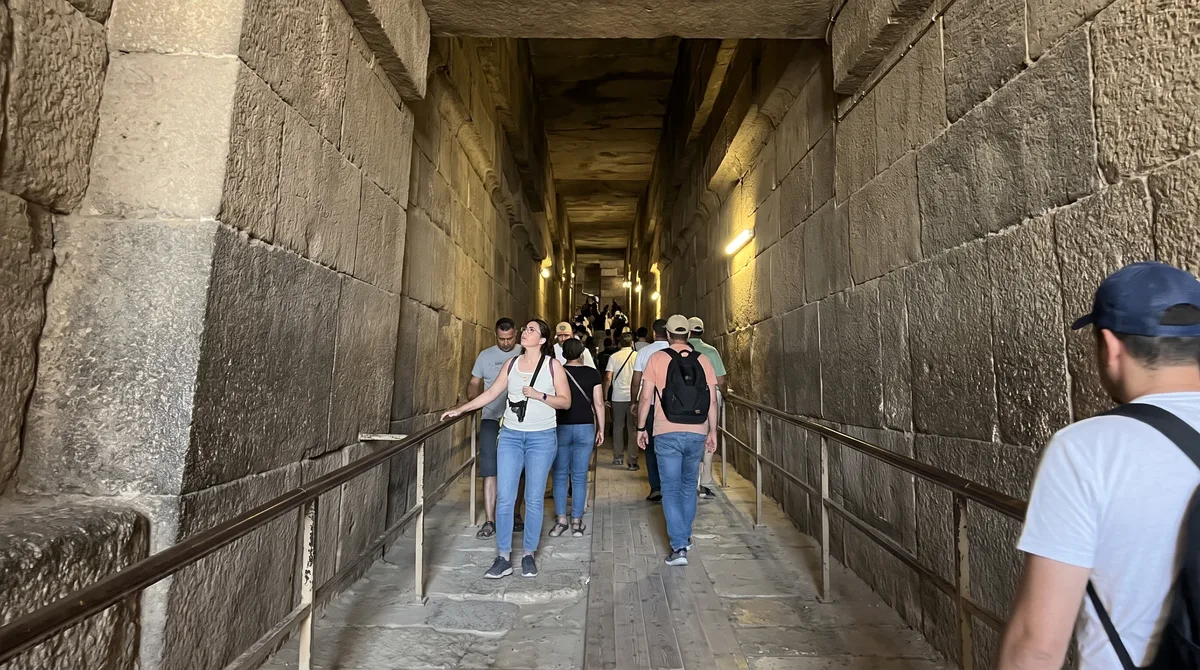
The Grand Gallery is the single most striking space inside the pyramid, a corbelled passage about 8.6 m high and 46.7 m long that rises at a steep angle toward the King's Chamber. It is the main route visitors walk to reach the burial chamber above.
The King's Chamber itself is lined entirely in red granite, shipped from quarries near Aswan, and holds an empty granite sarcophagus, the pharaoh's remains and most of the original burial goods long since lost. The chamber's one surviving artefact, as far as visitors are concerned, is the room's own construction: a solid granite box set deep inside a mountain of limestone.
The Great Pyramid of Giza's secret structure: the relieving chambers
Above the King's Chamber sit five relieving chambers, stacked granite spaces built of massive slabs and capped by a pent, or triangular, roof. Their job was purely mechanical: to divert the weight of the masonry above away from the burial chamber below. They are not open to regular visitors, and their existence is one of the clearest signs of how carefully the builders understood the loads they were working with.
This is the kind of fact that rarely makes it into vague accounts of the pyramid's mysteries, yet it is a documented part of the structure that most visitors never see.
The Queen's Chamber and its unexplained shafts
Lower in the pyramid, on its central axis, sits the Queen's Chamber, a room about 5.75 by 5.23 m with a pointed roof and a niche cut into its eastern wall. Its name is a label given by early explorers rather than evidence of who, if anyone, was meant to be buried there.
Two narrow shafts run from its north and south walls, horizontal for about 2 m before angling upward through the pyramid's mass. Two further shafts rise from the King's Chamber. Whether these were built for ventilation during construction or for a religious purpose, perhaps aligned with stars tied to the king's journey after death, is still debated. No single theory has settled the question, and that, honestly, is the most interesting part: a monument this closely studied still keeps a genuine unknown at its centre.
The ScanPyramids discoveries: a hidden void and a hidden corridor
Two finds in the last decade have added real new information to a monument that had been thought fully mapped since the 19th century.
In November 2017, the ScanPyramids project reported a large void above the Grand Gallery in the journal Nature. It was found using cosmic-ray muon detection, a technique that reads how subatomic particles pass through stone to map empty space without drilling or disturbing anything. The void has a cross-section similar to the Grand Gallery itself and a minimum length of about 30 m. It was first picked up by detectors placed inside the Queen's Chamber, then confirmed by independent detectors, including gas detectors set up outside the pyramid. Its shape and purpose remain unknown, and it is not accessible to visitors.
A second, separate discovery followed in March 2023: a corridor-shaped void at least 5 m long behind the Chevron, the distinctive pointed stones above the pyramid's original entrance on the north face. In 2025, three further non-destructive techniques, radar, ultrasound and electrical resistivity, confirmed the corridor's presence. Neither this corridor nor the 2017 void changes what visitors can see on a plateau visit, but both are reminders that the Great Pyramid is still, in a real sense, being read.
How were the pyramids built: what the evidence actually shows
The clearest answer so far comes not from theory but from a diary. The Diary of Merer, a set of papyrus logbooks found in 2013 at Wadi al-Jarf on the Red Sea coast, records an inspector's crew shipping white limestone from Tura to Giza by boat, in roughly the 26th or 27th year of Khufu's reign. That casing stone gave the pyramid its original smooth, pale surface.
Granite for the King's Chamber travelled much farther, from quarries near Aswan, with some blocks weighing up to 80 tonnes. Most of the core material, by contrast, was cut from the Giza plateau itself, which kept the heaviest and most frequent hauls short. Put together, the picture is of a highly organised supply chain by river and road rather than a single unexplained method: limestone from Tura, granite from Aswan, and local stone for the bulk of the structure.
How to see inside the Great Pyramid of Giza yourself
Visitors enter through the tunnel dug in the Middle Ages by the caliph al-Ma'mun, which is now the standard tourist entrance. The way in is cramped and steep, and you will need to crouch or crawl for a short stretch before the passage opens out into the Grand Gallery. It is not a visit for anyone uneasy in very tight spaces.
Entering the pyramid requires a separate interior ticket, in addition to the general Giza plateau ticket, since the plateau ticket does not cover any pyramid interior. Interior access typically opens at 8 am and numbers are limited through the day, so tickets can sell out. If the Great Pyramid's interior tickets are gone for the day, the Khafre pyramid interior is a shorter and cheaper alternative worth asking your guide about.
Plan for about 45 to 60 minutes inside on top of the 3 to 4 hours a full visit to the plateau's pyramids and Sphinx normally takes. Wear closed shoes with a good grip and something light, since the passage and chambers are cramped and involve some stooping.
Fitting the Great Pyramid into a Giza day
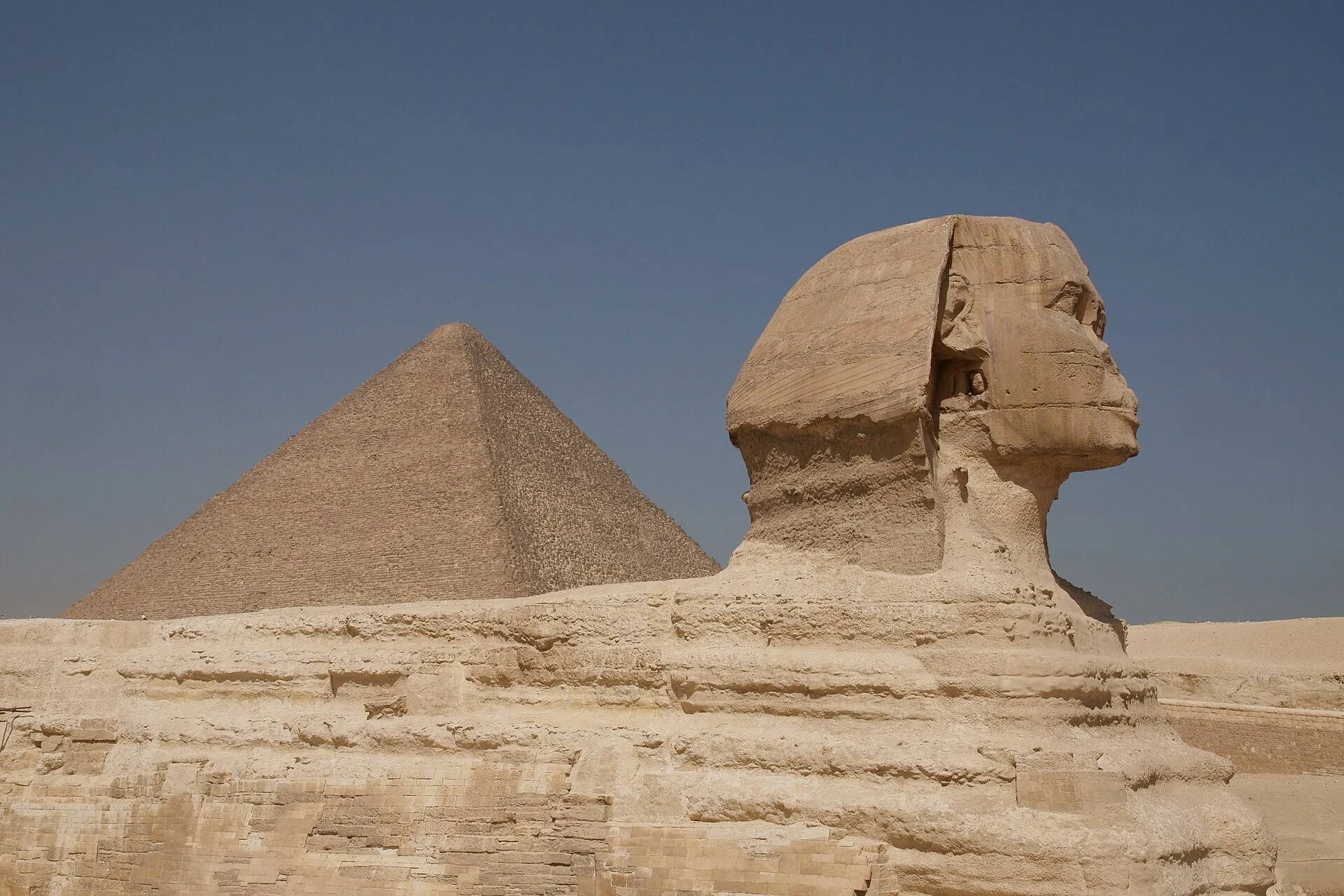
Many visitors see the Great Pyramid's exterior, the Sphinx and, where time and tickets allow, the interior, before moving on to the Grand Egyptian Museum the same afternoon or on a separate day. Our Giza destination guide sets out how to sequence the plateau and the museum by travel time, and our piece on Cairo, Giza and the Grand Egyptian Museum goes through a full day in more detail.
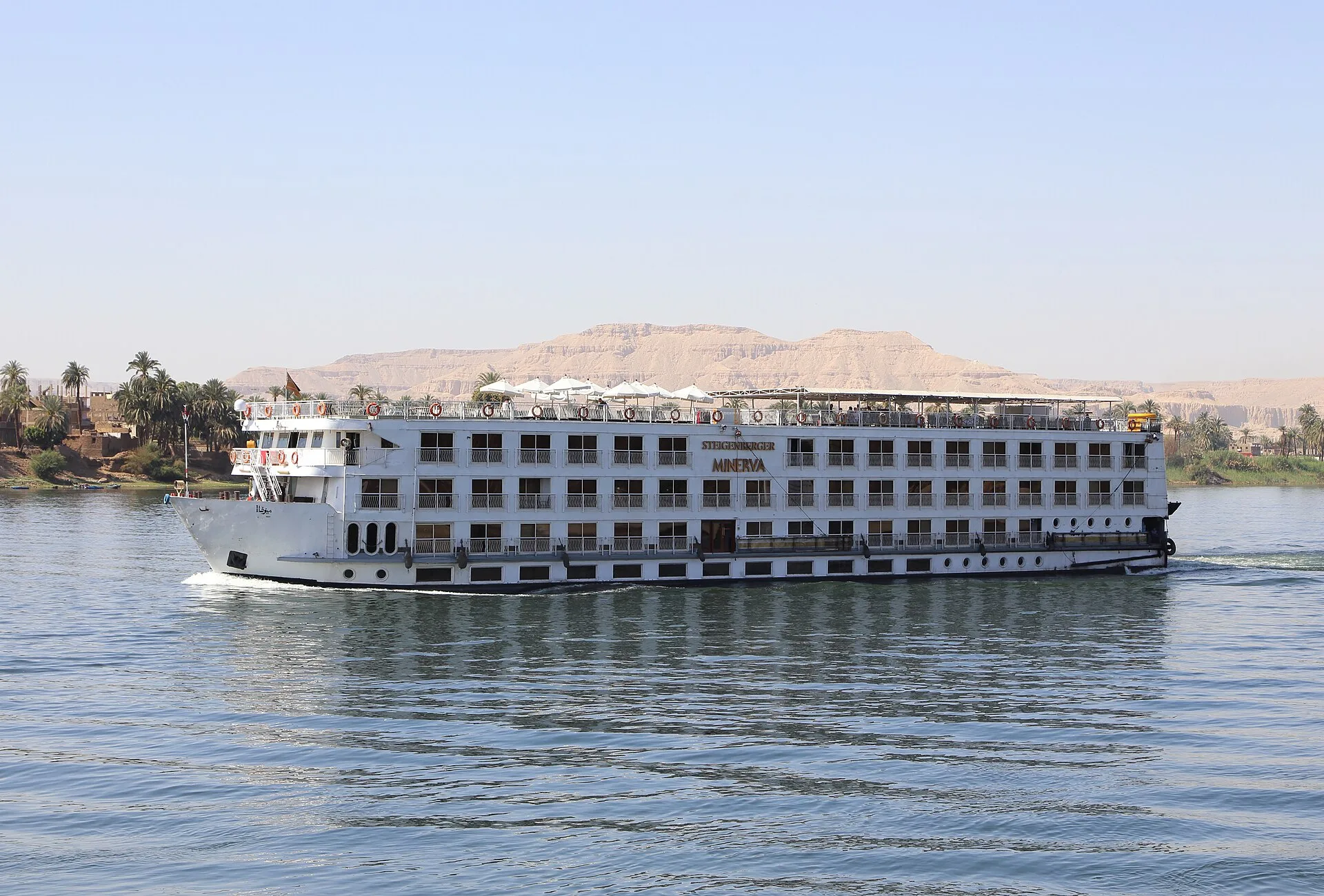
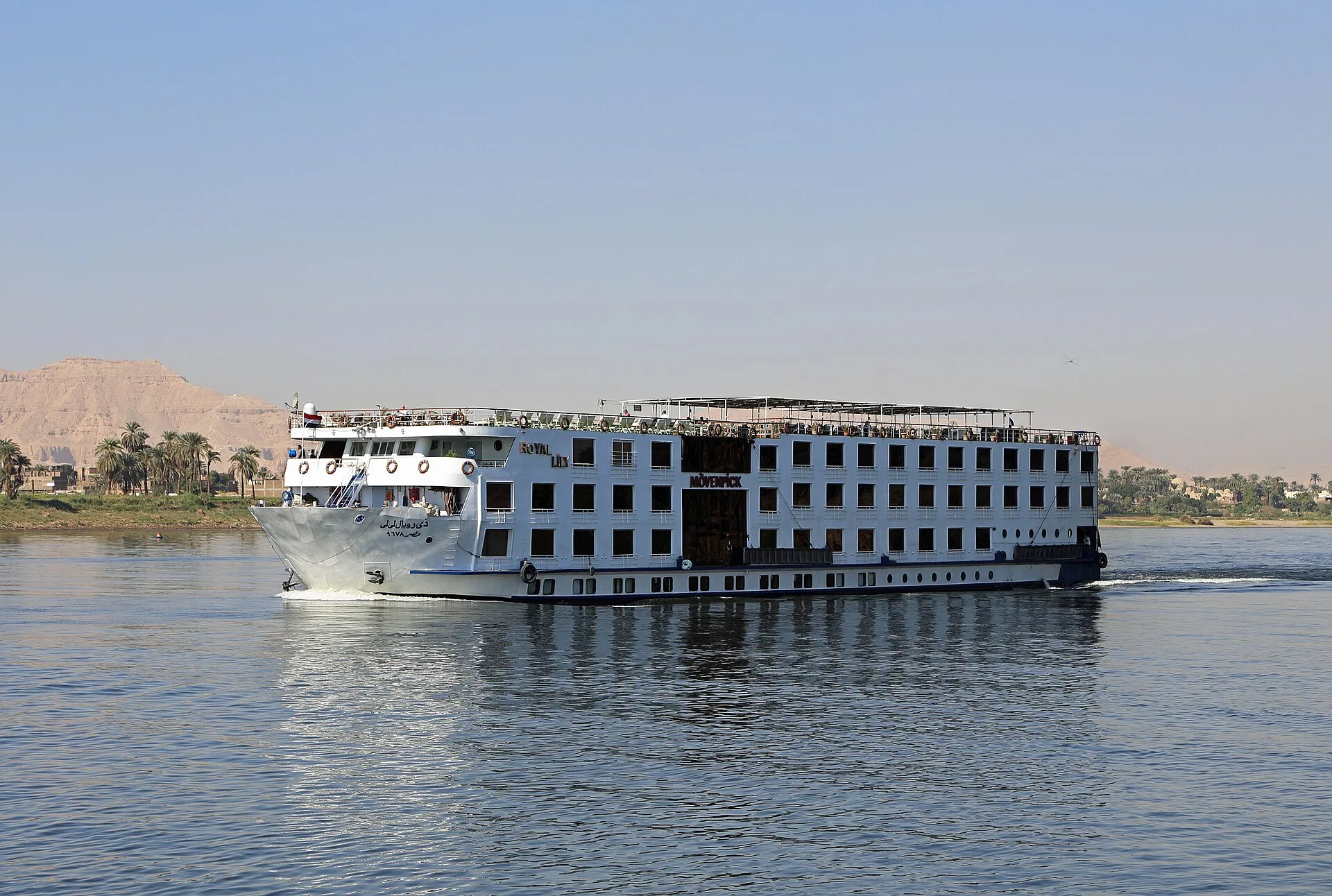
For a short, focused trip built around exactly this, Panda Travel Egypt runs Discover Cairo Like Never Before, a four-day private tour with a guide that covers the pyramids, the Sphinx and the Grand Egyptian Museum alongside the royal mummies and Old Cairo. Travellers who want to combine the pyramids with a Nile cruise can look at the Pyramids and Nile Escape Program, which pairs three nights in Cairo with four nights sailing between Luxor and Aswan.
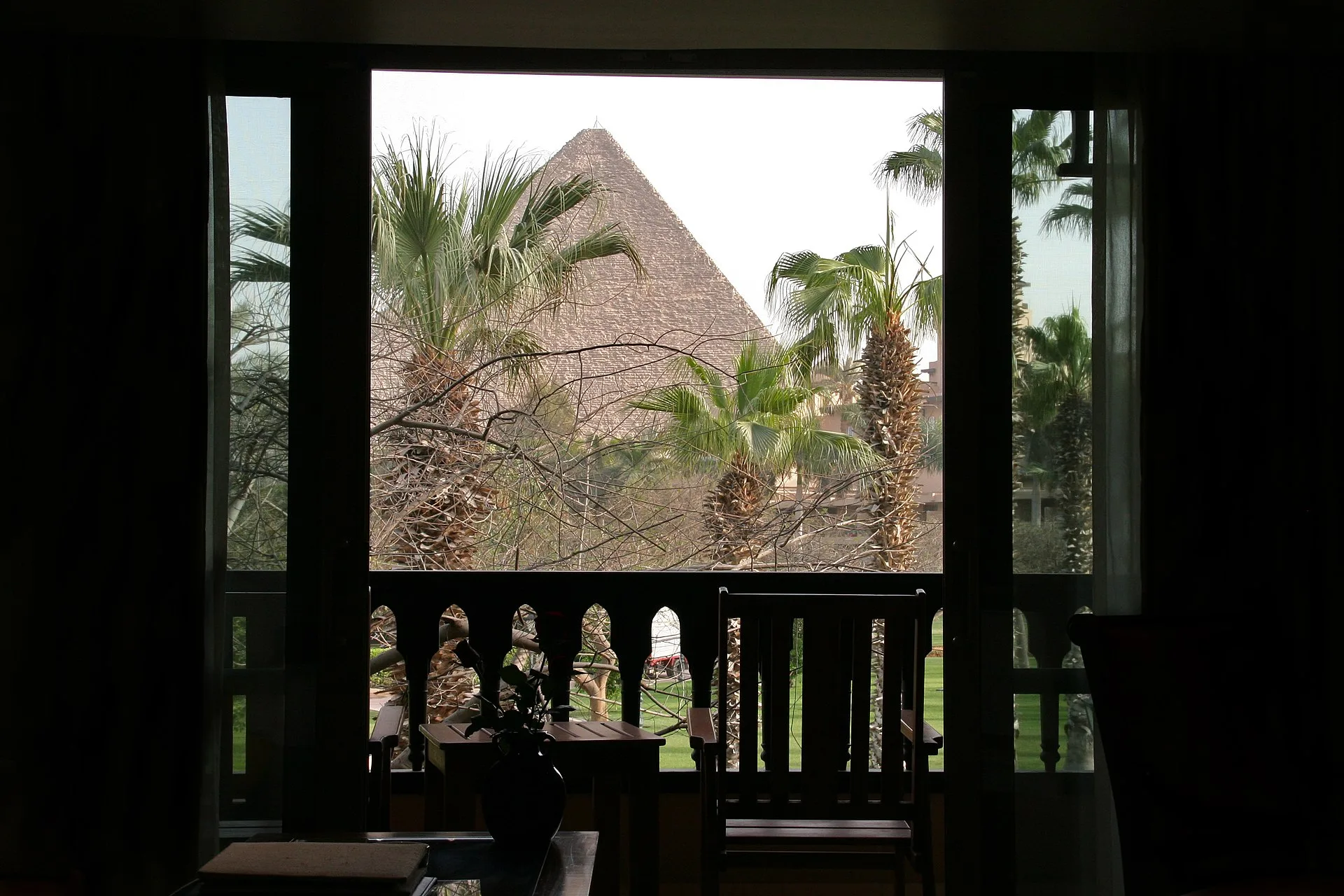
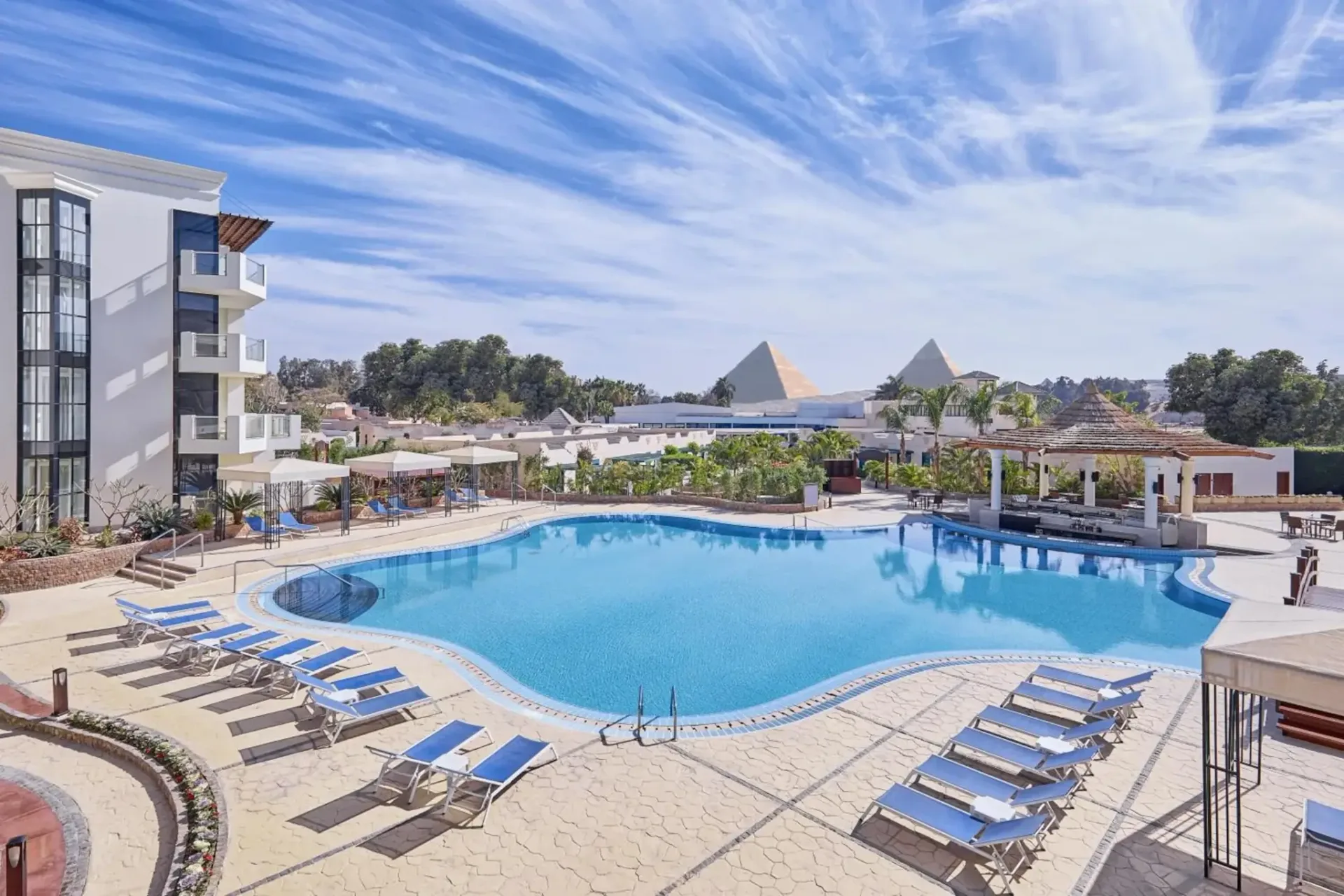
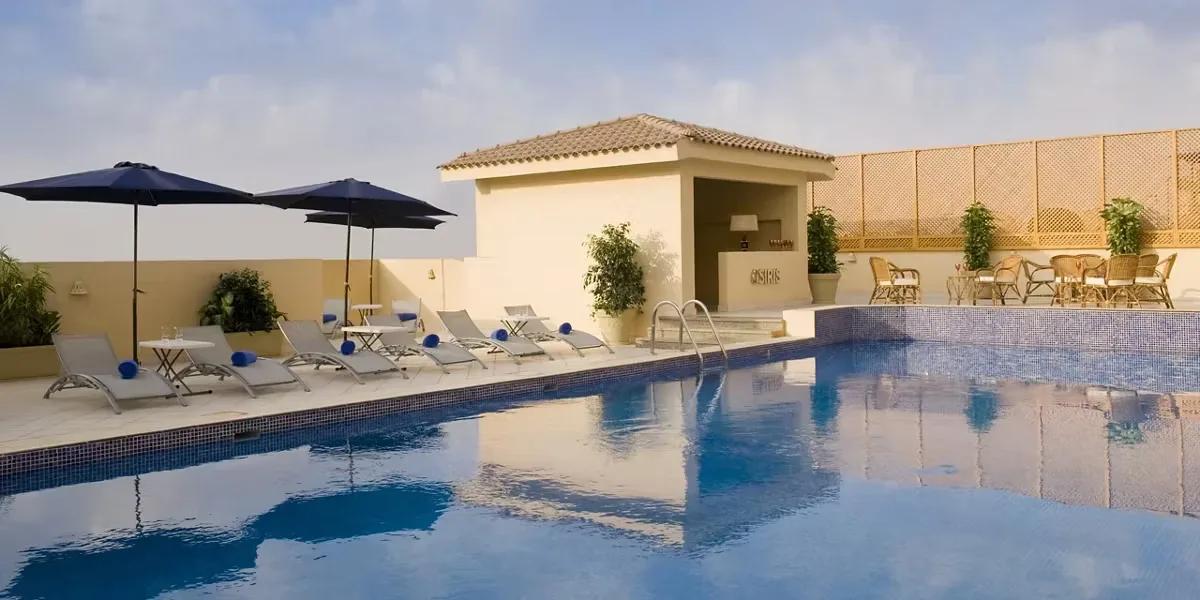
Staying close to the plateau makes an early start easier. Marriott Mena House, a royal hunting lodge from 1869 at the foot of the pyramids, is the closest hotel to the Great Pyramid, with views of it from many rooms and the pool.
Book the interior ticket as early in the day as your plateau visit allows, since numbers are limited and can sell out. A guide who checks availability before you arrive saves the disappointment of reaching the entrance and finding the day's tickets gone.
Sources
Plan Discover Cairo Like Never Before
Tell us your dates and who is travelling. We reply with the programme day by day, and its price.
Frequently asked
What is the secret of the Great Pyramid of Giza?
There is no single secret, but its real mysteries are structural. Five relieving chambers above the King's Chamber divert the weight of the masonry above the burial room, narrow shafts run from the Queen's Chamber for reasons still debated, and a large void above the Grand Gallery, found in 2017 by cosmic-ray muon scanning, remains unexplored and its purpose unknown.
Has a hidden chamber really been found inside the Great Pyramid?
Yes. In 2017 the ScanPyramids project reported a large void above the Grand Gallery, at least 30 m long, first seen with muon detectors placed in the Queen's Chamber and confirmed by independent detectors, including gas detectors outside the pyramid. In 2023 a second, separate corridor-shaped void was found behind the Chevron stones on the north face, confirmed by further scanning in 2025. Neither is open to visitors.
Can you go inside the Great Pyramid of Khufu?
Yes. Visitors enter through the medieval tunnel dug by al-Ma'mun, a steep, cramped passage that opens into the Grand Gallery. From there you reach the King's Chamber with its granite sarcophagus. The interior needs its own ticket, separate from the general Giza plateau ticket.
How long does it take to see inside the Great Pyramid?
Allow about 45 to 60 minutes on top of your time on the Giza plateau, which on its own takes 3 to 4 hours for the three pyramids and the Sphinx. The passage and chambers inside are narrow and steep rather than spacious.
How were the pyramids built without modern machinery?
The Diary of Merer, a papyrus logbook found at Wadi al-Jarf in 2013, shows that white limestone casing was quarried at Tura and shipped by boat on the Nile, while granite for the King's Chamber came from Aswan, some blocks weighing up to 80 tonnes. Most of the core stone was cut from the Giza plateau itself, keeping the heaviest hauls short.
Is it worth paying extra to go inside the Great Pyramid?
It depends on what interests you. The interior has no decoration beyond ancient work-gang graffiti, and the passage is steep and cramped, but it is the only way to stand in the Grand Gallery and the King's Chamber. Travellers short on time or uneasy in tight spaces sometimes visit the Khafre pyramid interior instead, a shorter, cheaper alternative.
Places in this article
Tours for this trip
 Cairo Short Breaks
Discover Cairo Like Never Before
4 days · 3 nights2 places
View tour
 Budget Egypt
Pyramids and Nile Escape Budget Program
8 days · 7 nights3 nights on the Nile5 places
View tour
 Classic Egypt Tours
Pyramids and Nile Escape Program
8 days · 7 nights4 nights on the Nile5 places
View tour
Nile cruises for this trip


Where to stay
Read next
- Khan El Khalili Bazaar Guide: Walking Islamic Cairo in Order A local operator's walking order through Islamic Cairo: Al Muizz Street, its mosques and madrasas, and Khan El
- Old Cairo Coptic Quarter: A Walking Order That Actually Works A sight-by-sight walking order for the Old Cairo Coptic Quarter, how long it really takes on foot, and how it
- Saqqara and Dahshur: A Local Operator's Day Trip Order A local operator's order of visits for Saqqara and Dahshur, with realistic timings, drive distances and what t
- Grand Egyptian Museum Tickets and Tips: A Visit Plan That Works A practical plan for Grand Egyptian Museum tickets, gallery order, timing and how it fits with a Giza pyramids