Luxor sits on the site of ancient Thebes, capital of Egypt through most of the New Kingdom, and it holds more standing temples and painted royal tombs than anywhere else in the country. The things to do in Luxor, Egypt, split neatly into two halves of the same city: the East Bank, with Karnak and Luxor temples, and the West Bank, where the Valley of the Kings and the mortuary temples of the pharaohs sit against the desert hills. Few travellers regret giving it three or four full days rather than rushing through in one, and planning the order of sites in advance saves a good deal of time standing about in the heat.
The East Bank: Karnak and Luxor Temples
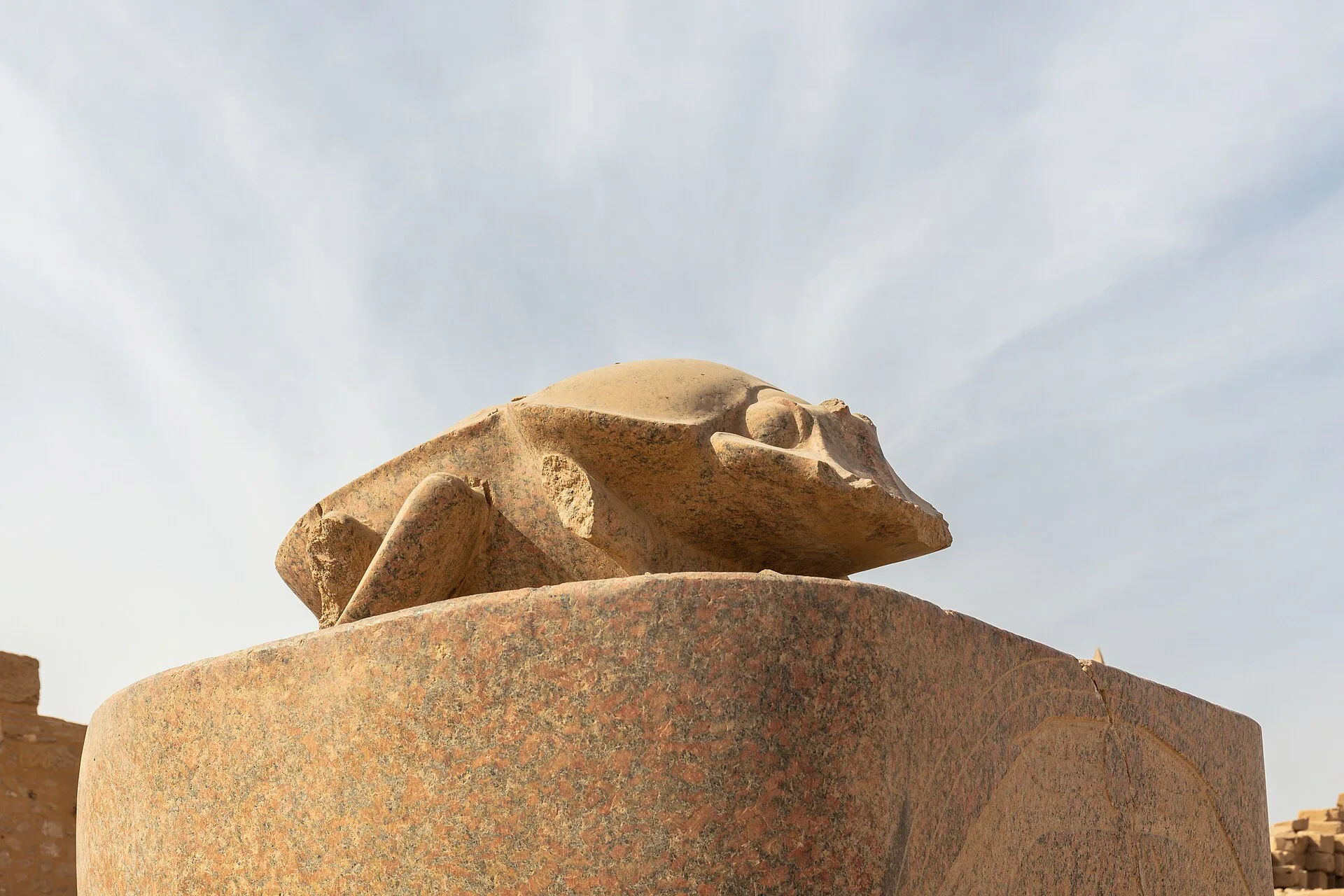
Karnak Temple is the largest religious complex to survive from the ancient world, built up over some two thousand years by successive pharaohs. Allow 2 to 3 hours to walk the main axis, stand among the columns of the Great Hypostyle Hall and reach the sacred lake at the back. Early morning, soon after opening, is the quietest time and the coolest for walking on open stone.
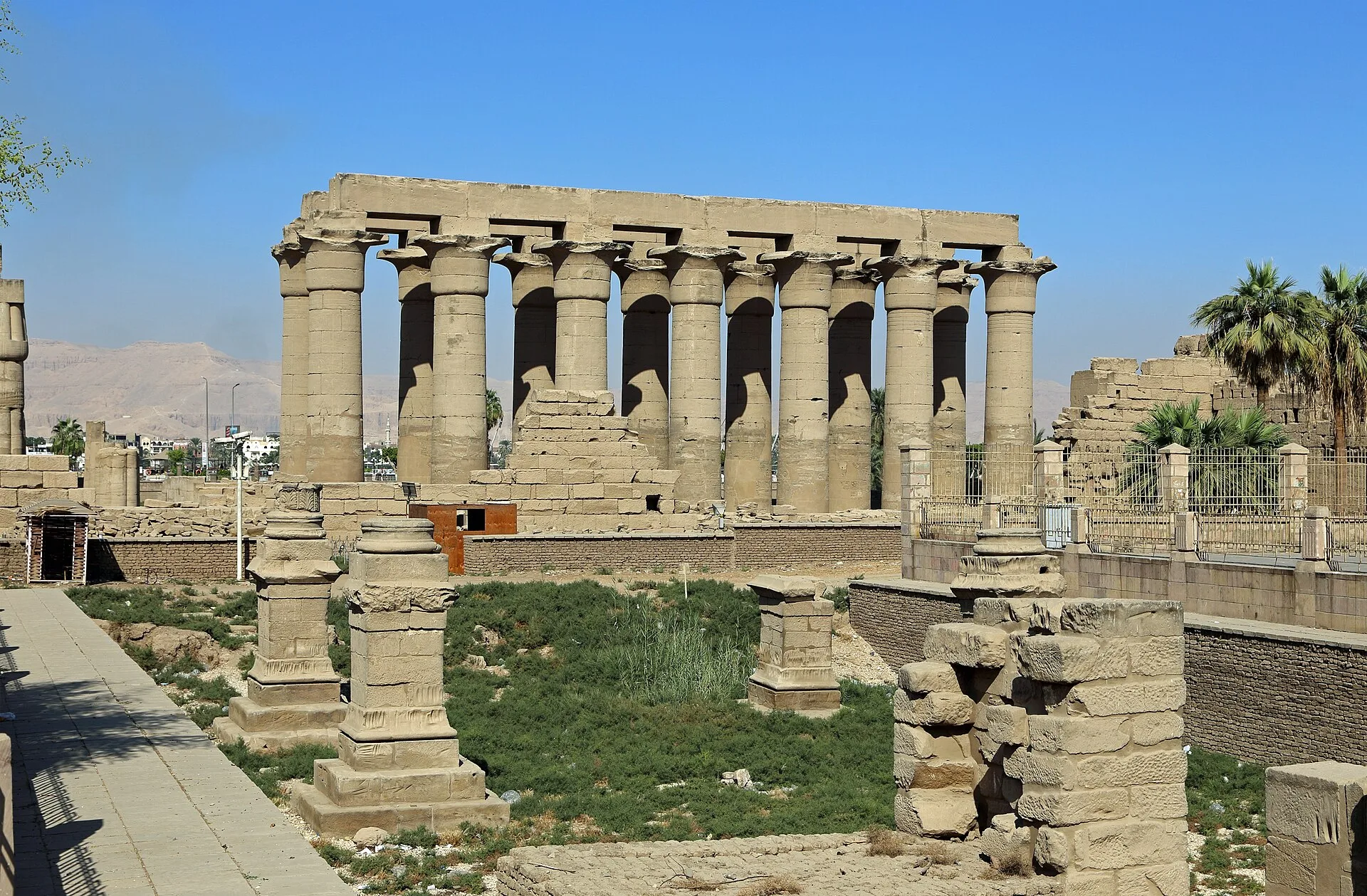
Luxor Temple sits closer to the centre of town, right on the Corniche, and is a shorter visit at around an hour to 90 minutes. Its scale is more human than Karnak's, with a colonnade built by Amenhotep III and a pylon front by Ramesses II. It is one of the few major sites in Egypt that is floodlit after dark, and an early evening visit shows the carvings and columns in a different light entirely, worth doing even if you have already been in daytime.
Between the two temples there was once an avenue of sphinxes nearly 3 km long, parts of which have been restored and reopened to walking. If your schedule allows a slow walk rather than a taxi between the sites, it gives a sense of how the ancient processional route connected them. The Luxor Museum, a short drive from either temple, is worth an hour if you want context on the pharaohs whose names you will keep seeing carved into the stone, and it is a good quiet option in the middle of a hot afternoon when outdoor sites are best avoided.
The West Bank: Valley of the Kings and the mortuary temples
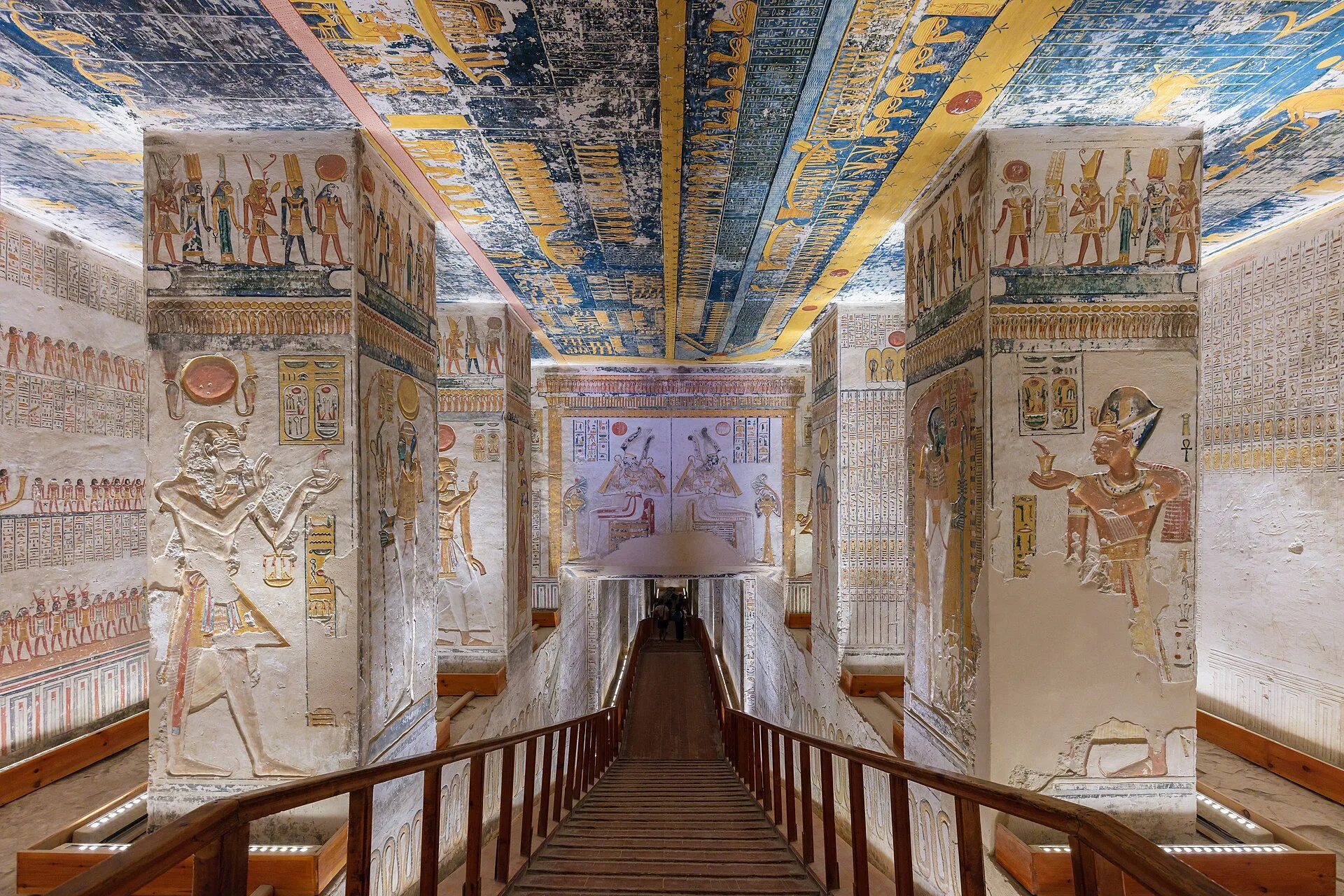
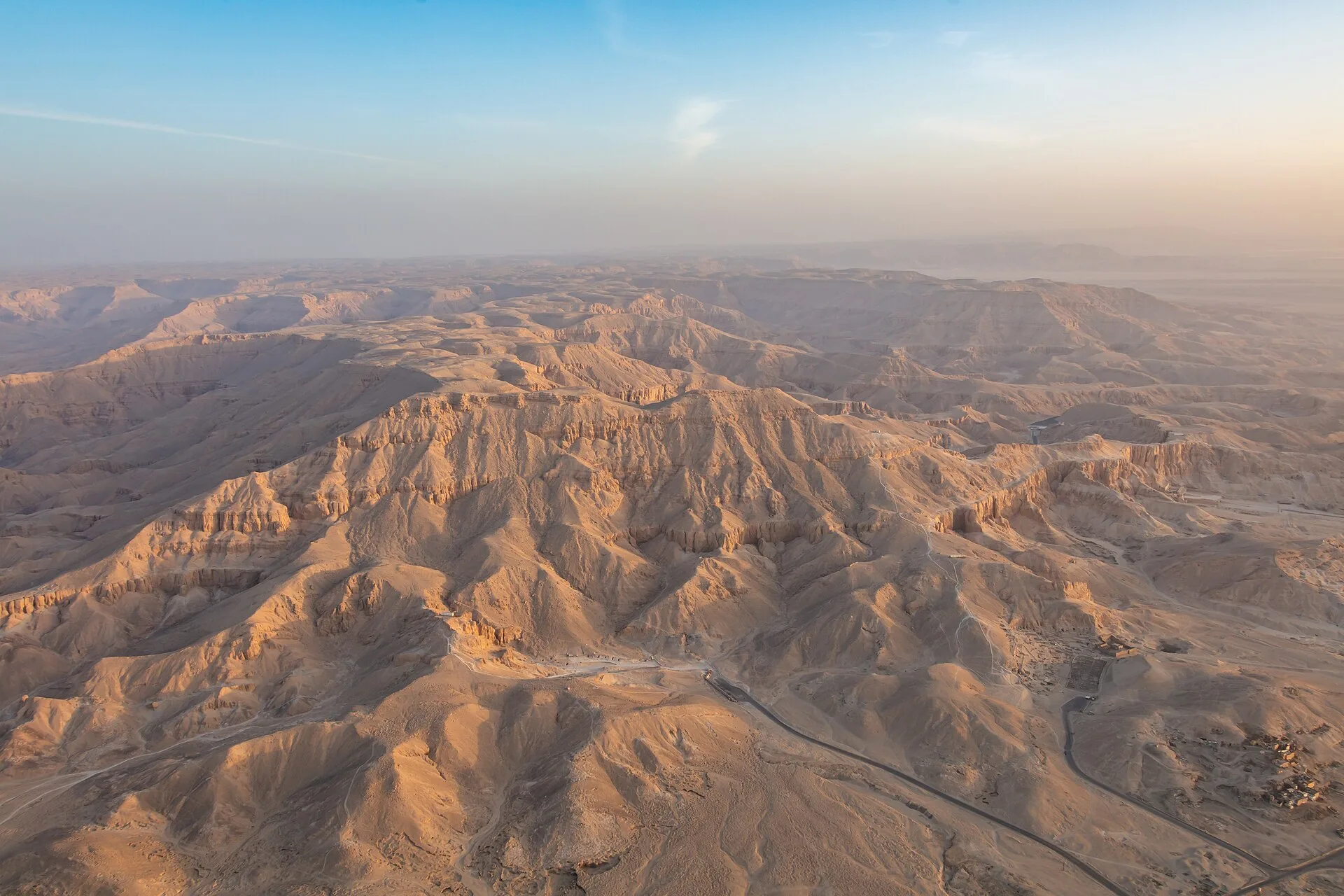
The West Bank is where Thebes buried its dead, and it rewards a full morning on its own. The Valley of the Kings holds the tombs of pharaohs including Tutankhamun, Seti I and Ramesses VI, cut deep into the desert hillside and decorated with the Amduat, the Book of Gates and other funerary texts. A standard visit, with entry to three tombs, takes 2 to 3 hours; there is no shade in the valley itself, so go as early as your schedule allows.
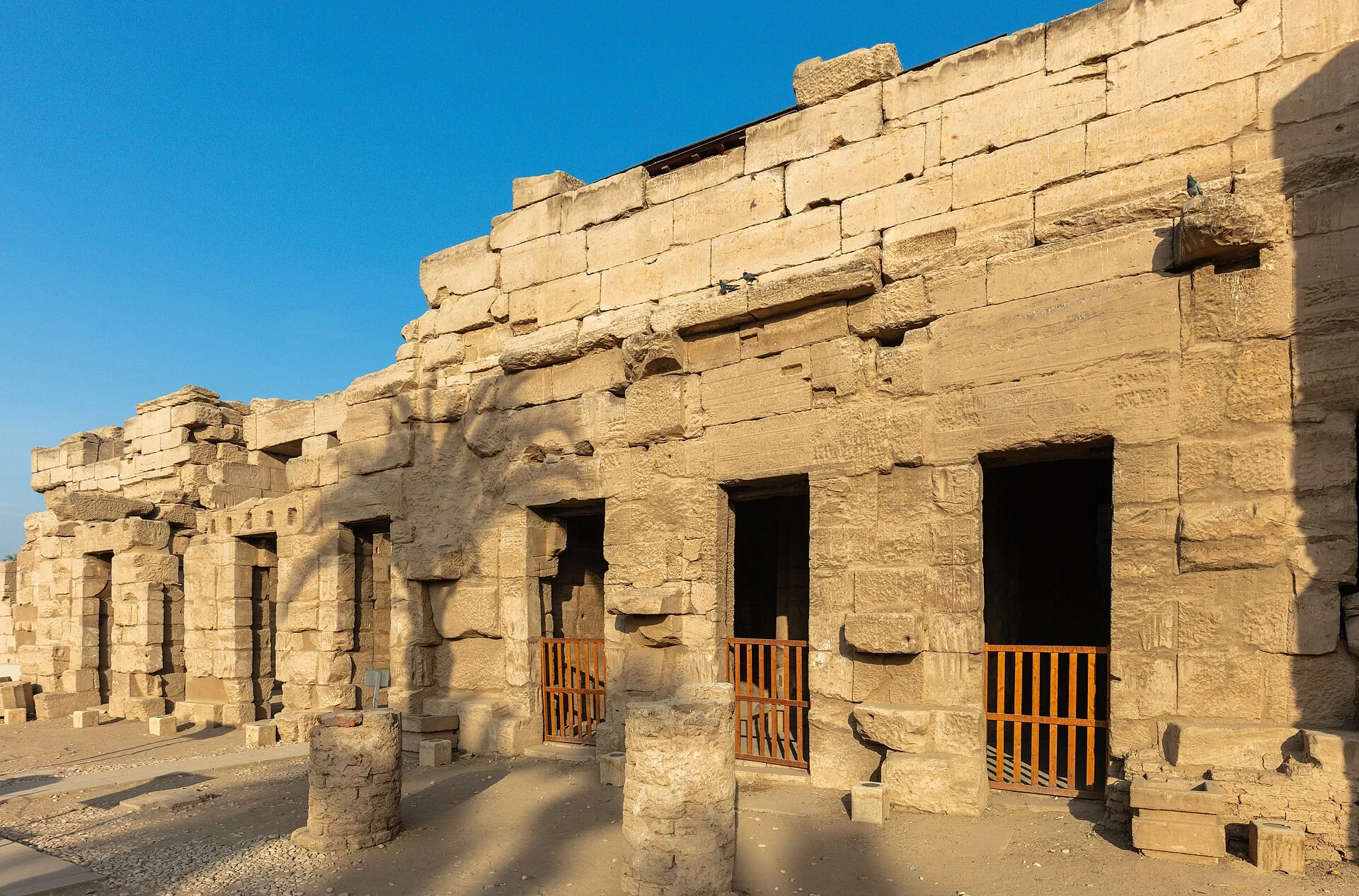
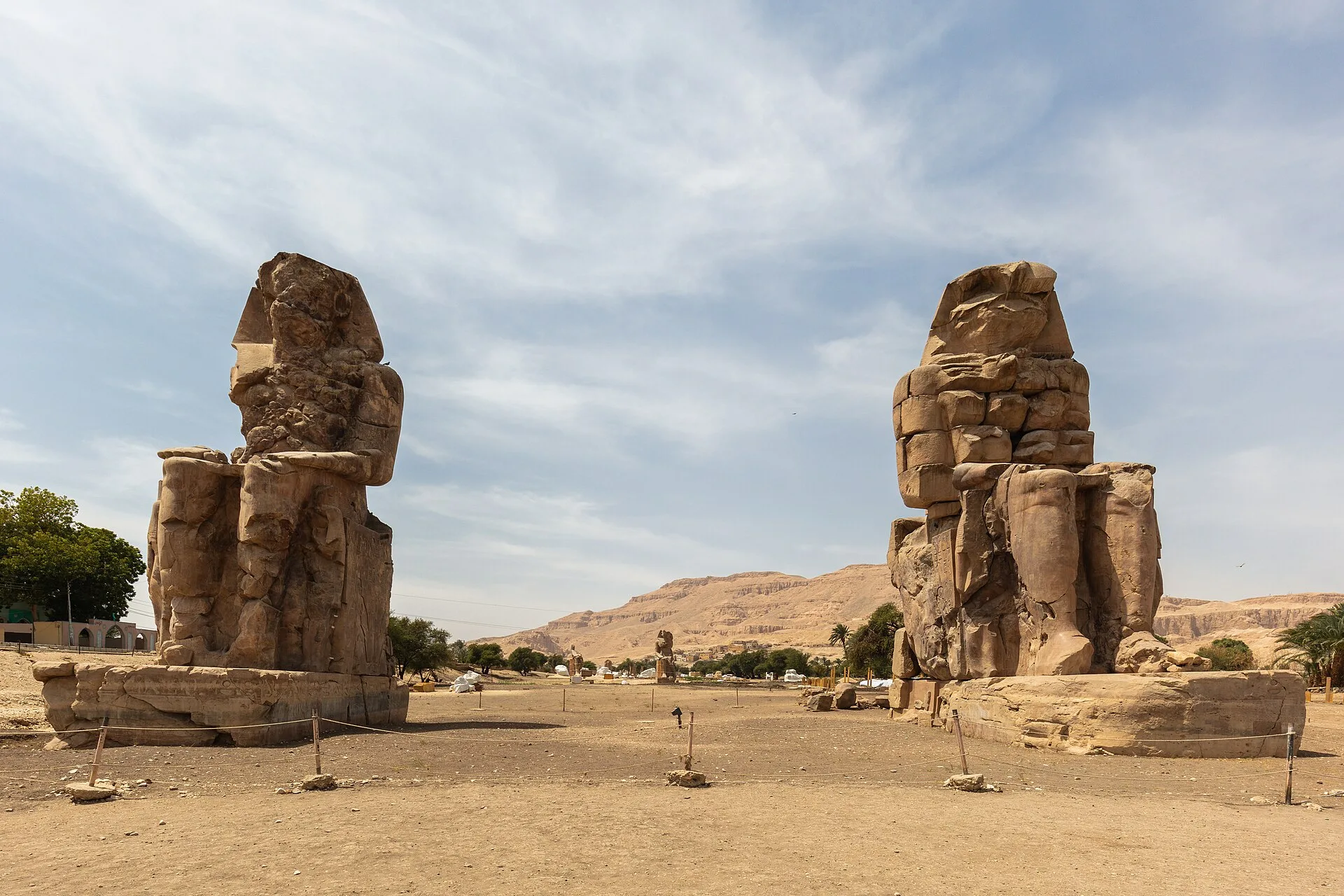
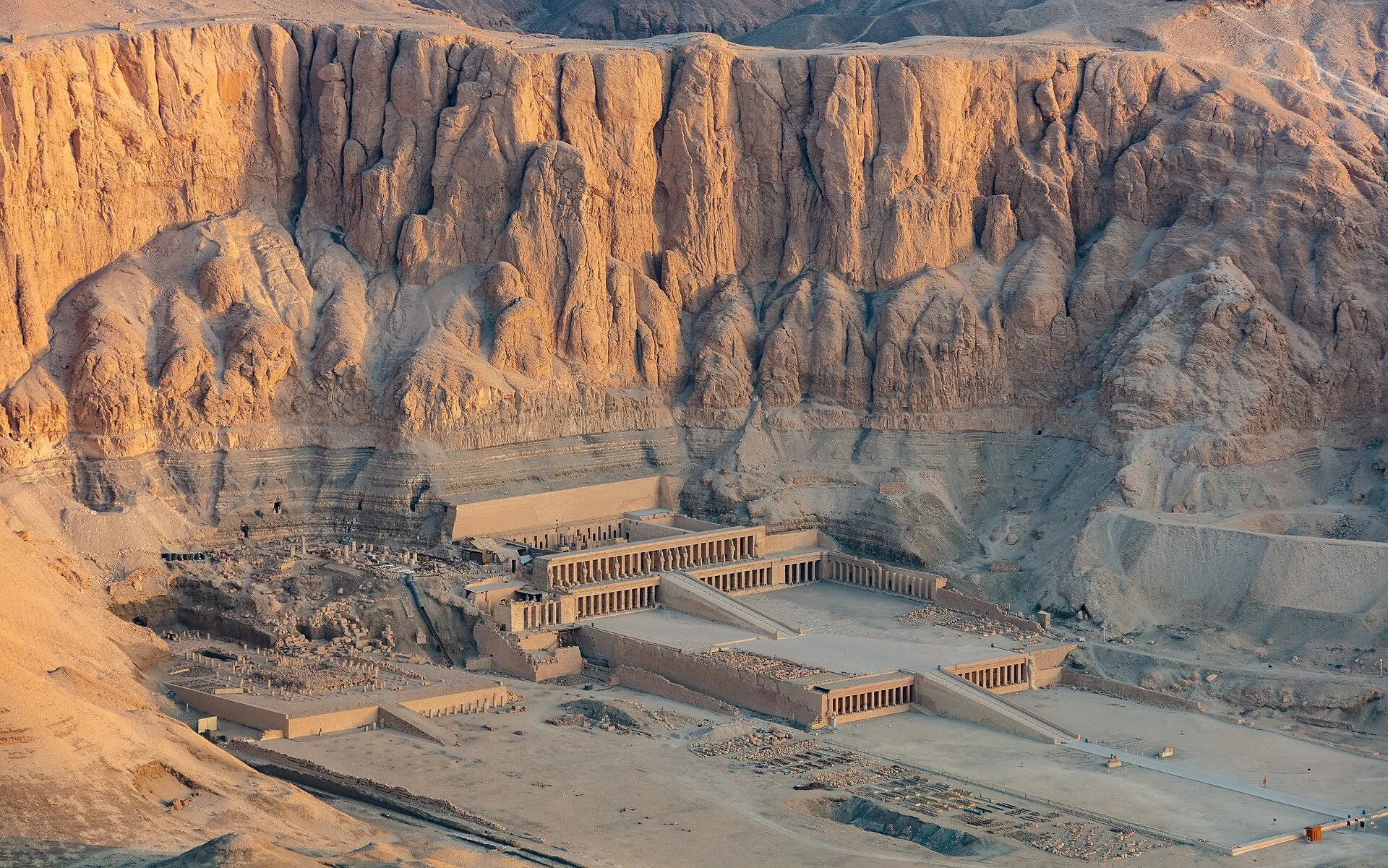
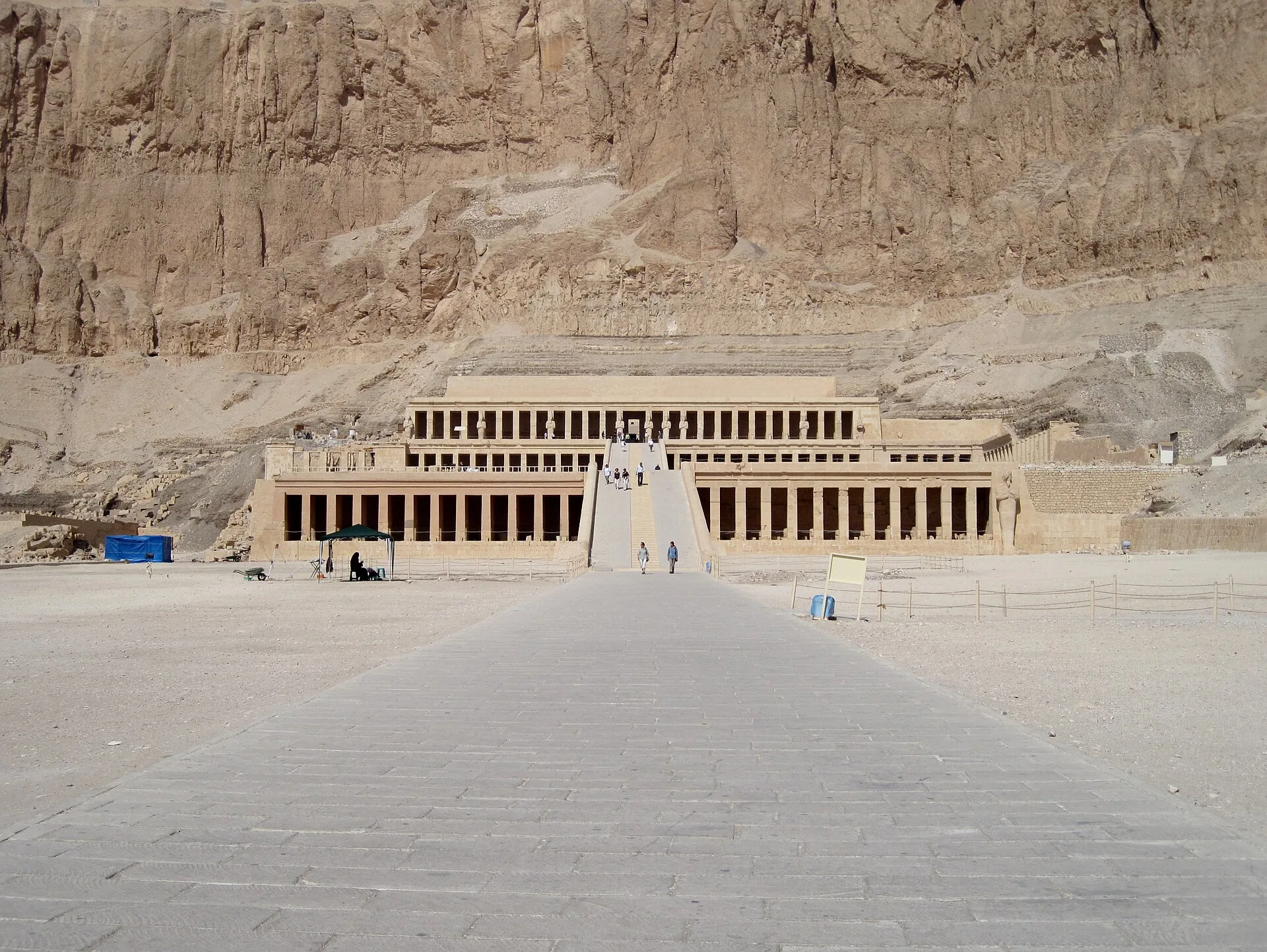
The Mortuary Temple of Hatshepsut at Deir el-Bahari is built in three broad terraces against a cliff face, unlike any other temple in Egypt, and takes about an hour to see properly. From there it is a short drive to Medinet Habu, the well-preserved mortuary temple of Ramesses III, and to the Colossi of Memnon, two seated statues of Amenhotep III that once guarded a mortuary temple now largely gone. The colossi themselves need only ten or fifteen minutes, usually as a stop on the way back towards the ferry or bridge, but they are an easy, worthwhile detour given how close they sit to the main road.
Travellers with an extra half day sometimes add the Valley of the Queens or the Workers' Village at Deir el-Medina, both quieter than the main valley and less visited by group tours, though they add to an already full day rather than replacing anything on the main route.
For a sight-by-sight schedule with timings between each stop, our Luxor West Bank one-day itinerary sets out how to see the valley, Hatshepsut's temple and Medinet Habu in a single morning without feeling rushed, and our broader Luxor travel guide covers Karnak and the Valley of the Kings in more depth.
How many days are enough for the top things to do in Luxor Egypt
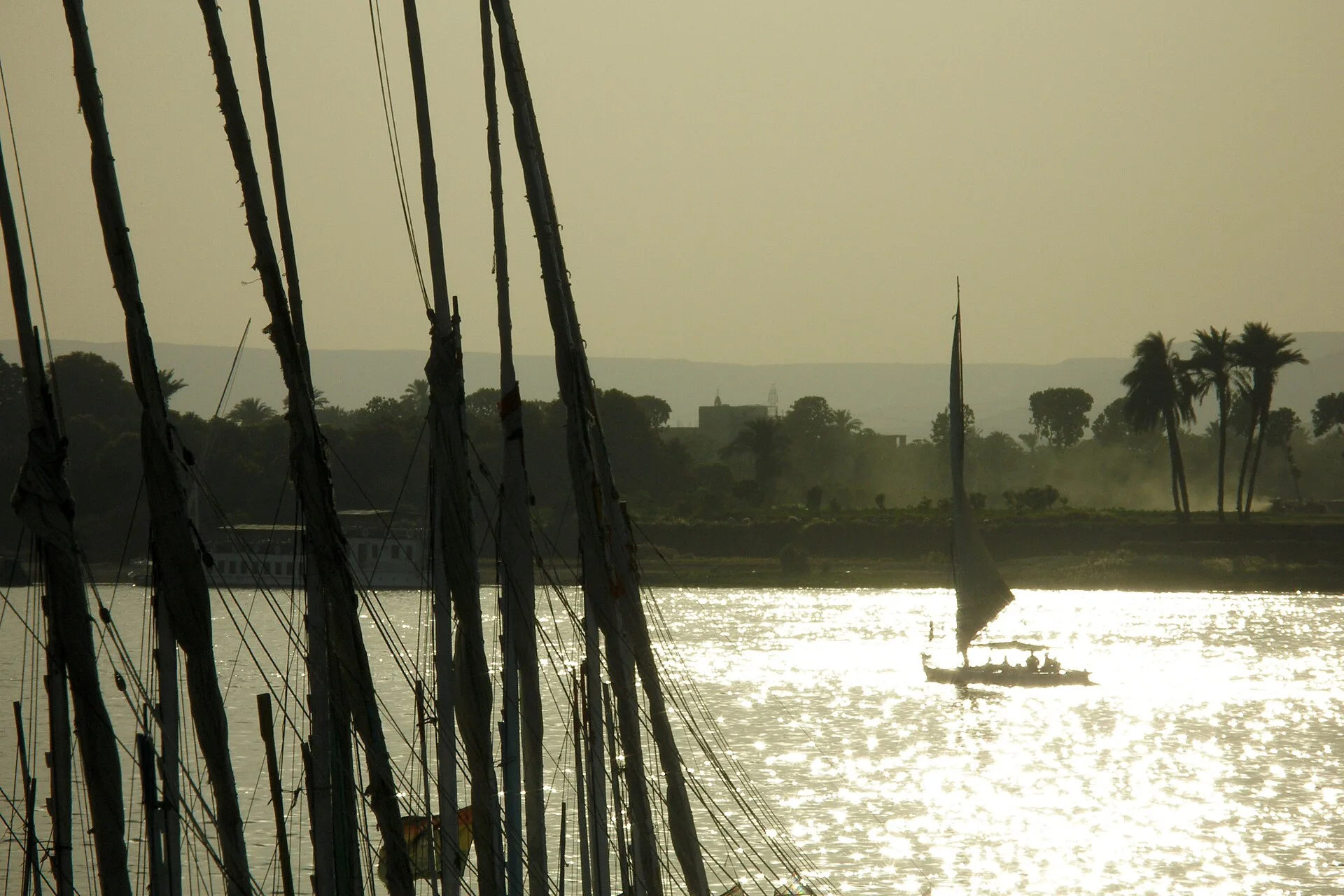
Three to four full days is the realistic minimum if you want to see both banks without constantly watching the clock. One day covers Karnak and Luxor temples at an unhurried pace, including the evening visit to Luxor Temple when it is lit. A second day covers the West Bank: the Valley of the Kings, Hatshepsut's temple, Medinet Habu and the Colossi of Memnon. A third day leaves room for the Luxor Museum, a felucca ride at sunset, or a hot air balloon flight over the West Bank at dawn, one of the most memorable ways to see the valley and temples from above before the day's heat sets in.

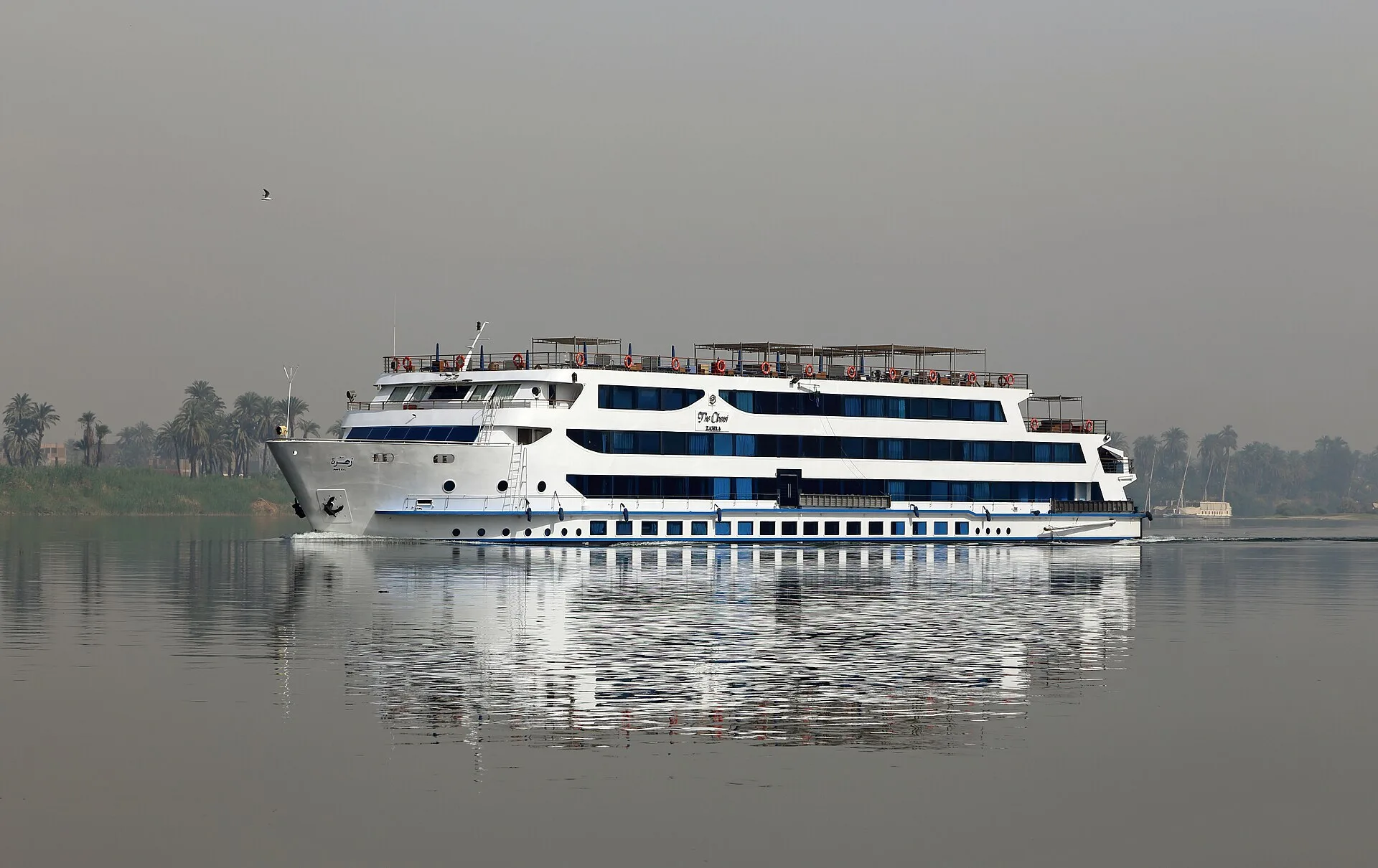
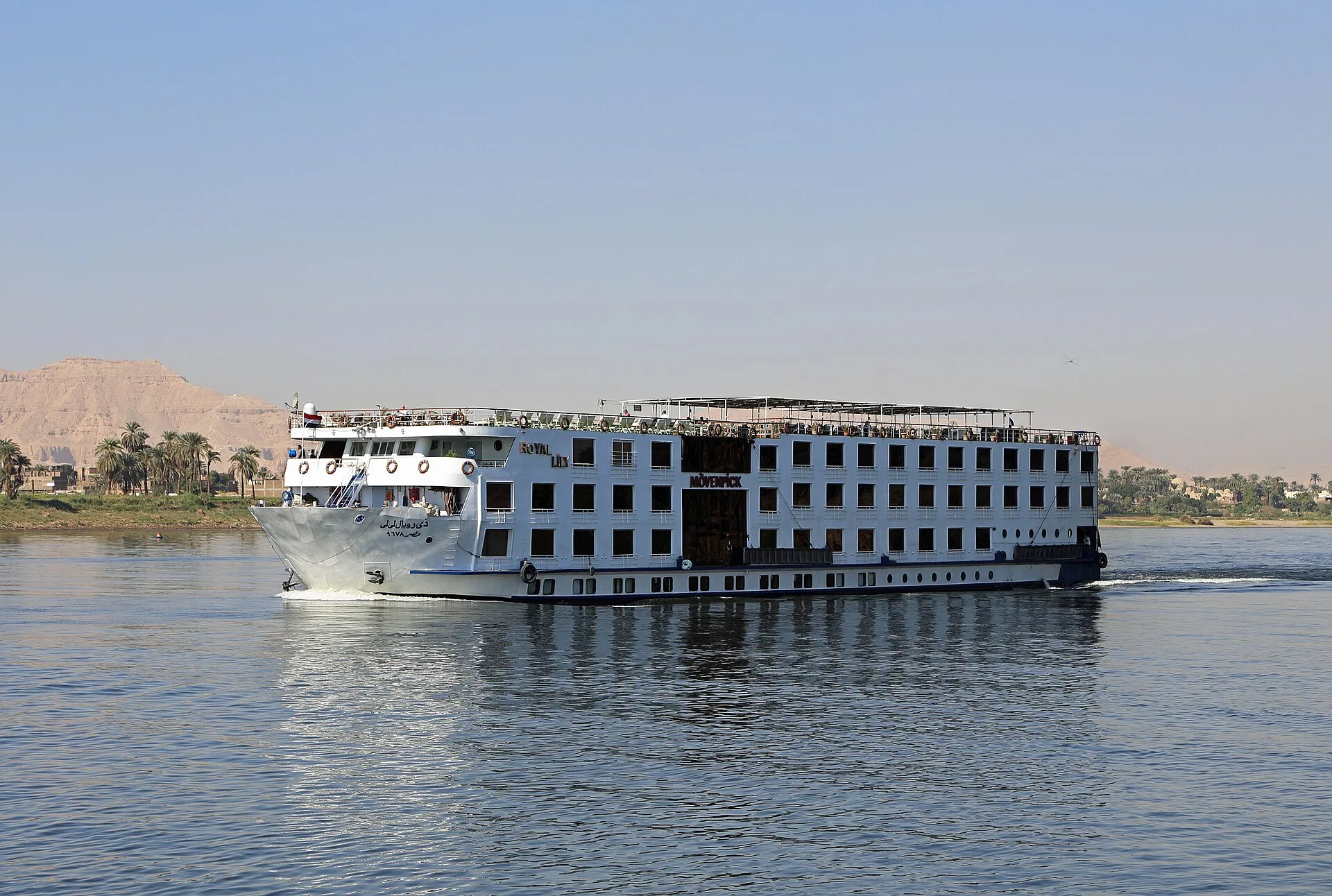
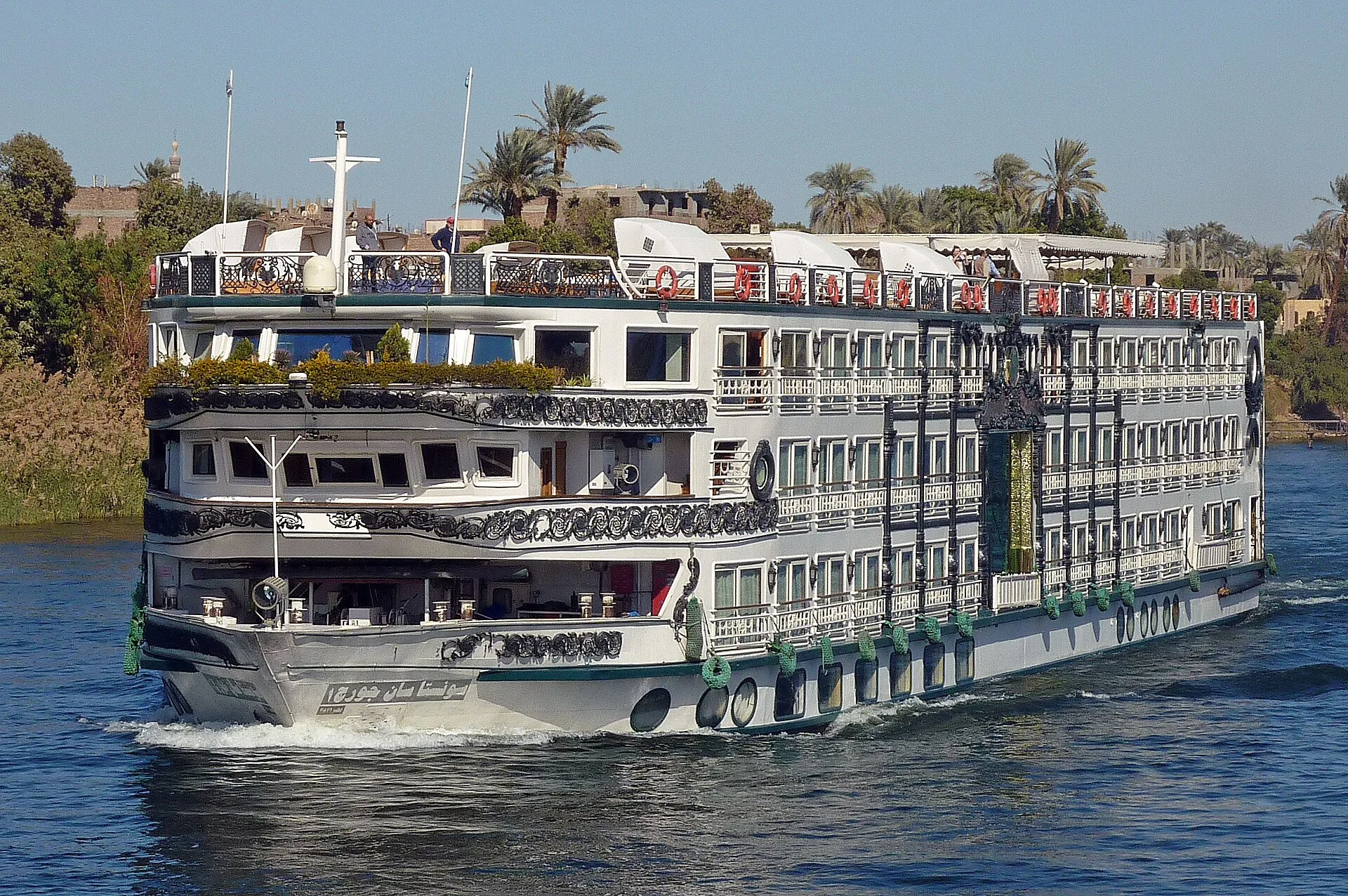
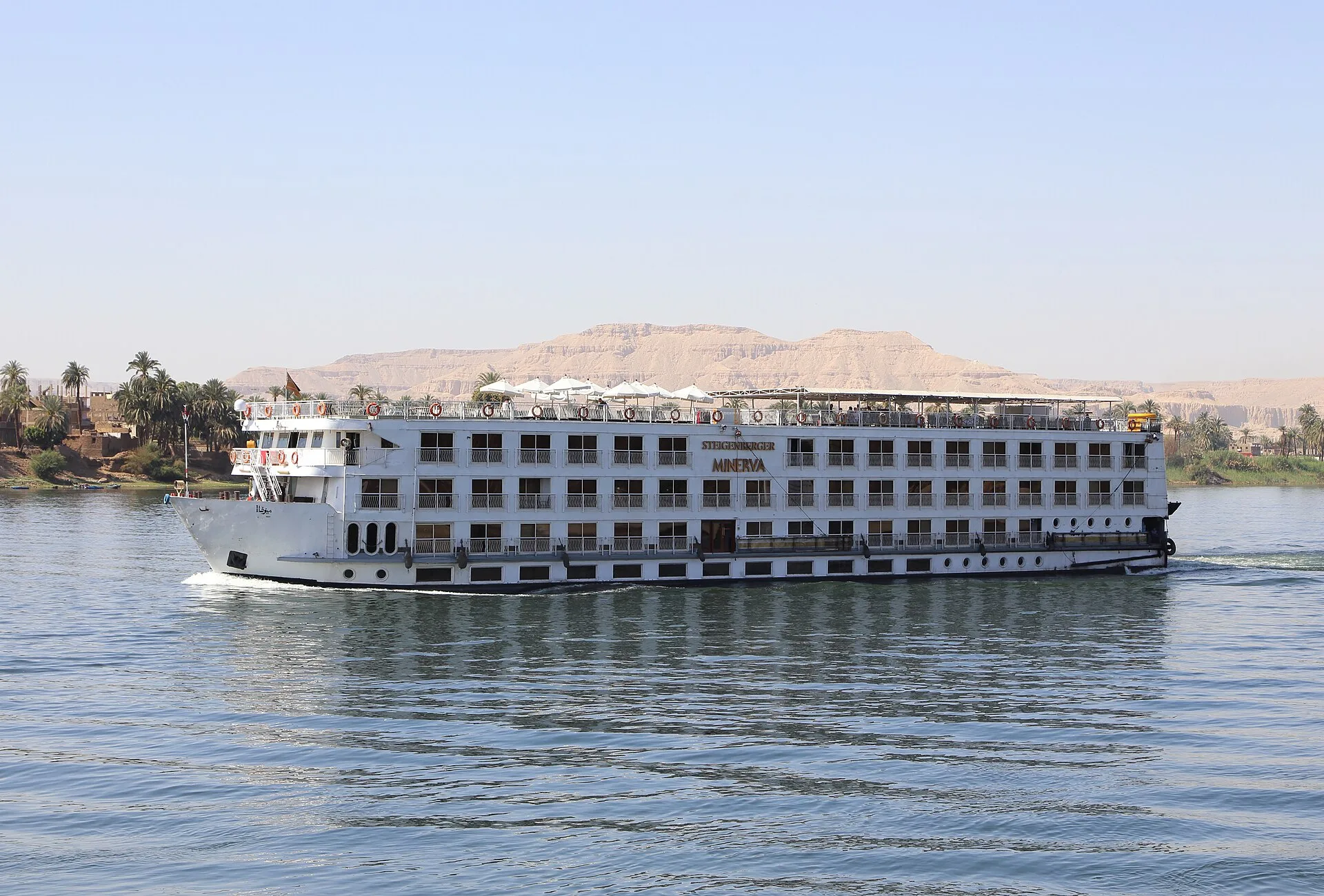
Two days is workable if time is tight, generally one day per bank, but it leaves no slack for a slower pace or a change of plan. Travellers arriving by Nile cruise usually find the ship's own schedule builds in a day or two at Luxor as part of a longer run south towards Aswan; our Luxor to Aswan Nile cruise guide lays out what each cruise day actually involves.
Best time of year to visit Luxor
Luxor sits well south in Egypt and its desert climate means summer days are properly hot, which matters most at sites like the Valley of the Kings and Karnak that involve walking on open ground with little shade. October to April brings cooler, more comfortable daytime temperatures for sightseeing, and mornings especially are pleasant for the West Bank. Whatever the season, plan outdoor visits for early morning or late afternoon, carry water, and wear a hat and comfortable closed shoes rather than sandals.
Evenings cool down noticeably even in the warmer months, which is part of why a felucca ride or a stroll along the Corniche works well after a hot day of sightseeing. If you are travelling in summer, it is worth building in a slower midday break at the hotel rather than trying to pack temples into the hottest hours.
Getting to Luxor and getting around
Most travellers reach Luxor by domestic flight from Cairo, a journey of about an hour that beats the alternatives for comfort and time saved. An overnight sleeper train is the slower, more traditional route, taking roughly 9 to 10 hours and arriving with the morning. Nile cruises also begin or end at Luxor, making it a natural link between a Cairo stay and the stretch of river down to Aswan.
Within the city, the East Bank and West Bank are joined by a bridge south of town for road traffic and by small local ferries that cross near the centre for pedestrians. Organised day trips to the West Bank travel by private car or minibus and collect guests directly from their East Bank hotel, which is the simplest way to see the Valley of the Kings and the mortuary temples without arranging transport site by site.
Where to stay in Luxor
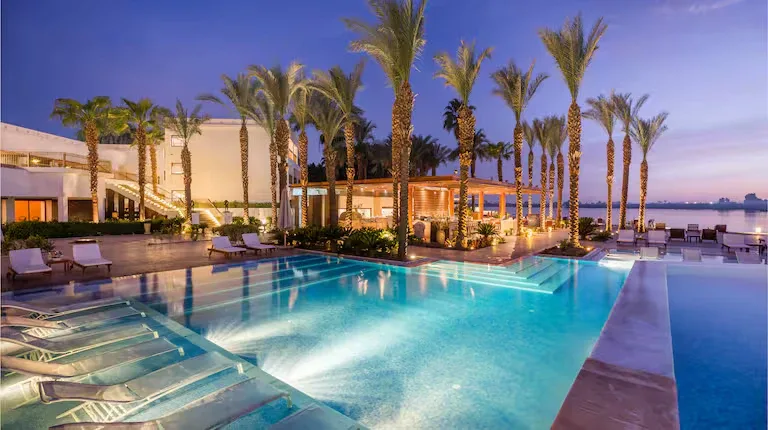
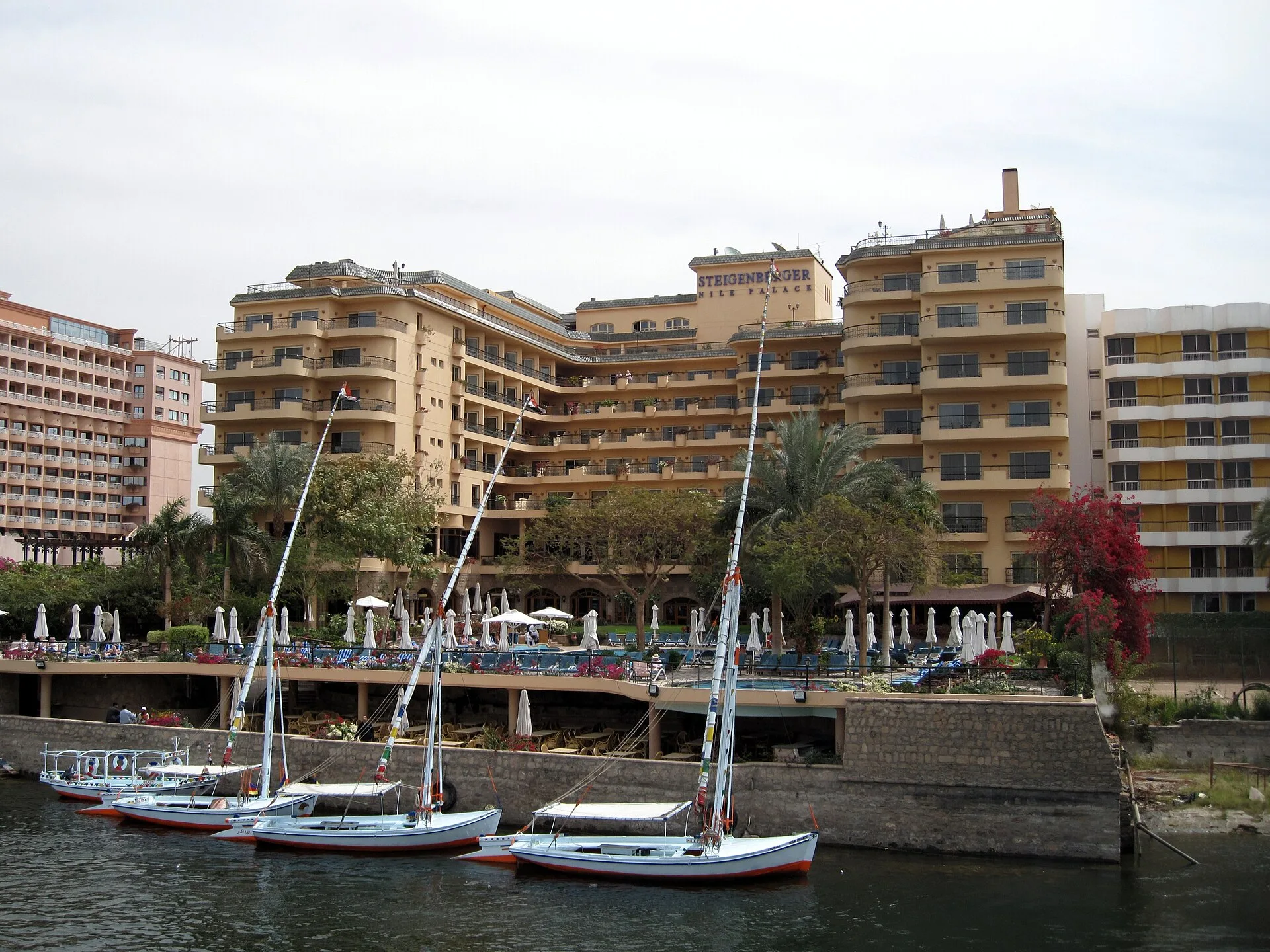
Staying on the East Bank puts you closest to Karnak and Luxor temples and to the restaurants and corniche walk along the river, with the West Bank sites a short drive away by bridge. The Hilton Luxor Resort & Spa is a five-star hotel in New Karnak, close to Karnak Temple and the Luxor Museum, with river views across to the hills that hide the Valley of the Kings. The Steigenberger Nile Palace is another five-star option on the Luxor Corniche strip, convenient for both the temples and a riverside felucca ride.
Travellers combining Luxor with a cruise usually spend their nights aboard ship instead of in a hotel, in which case the choice becomes which cruise rather than which hotel, something our Nile cruise guide covers in more detail.
Programmes that include Luxor
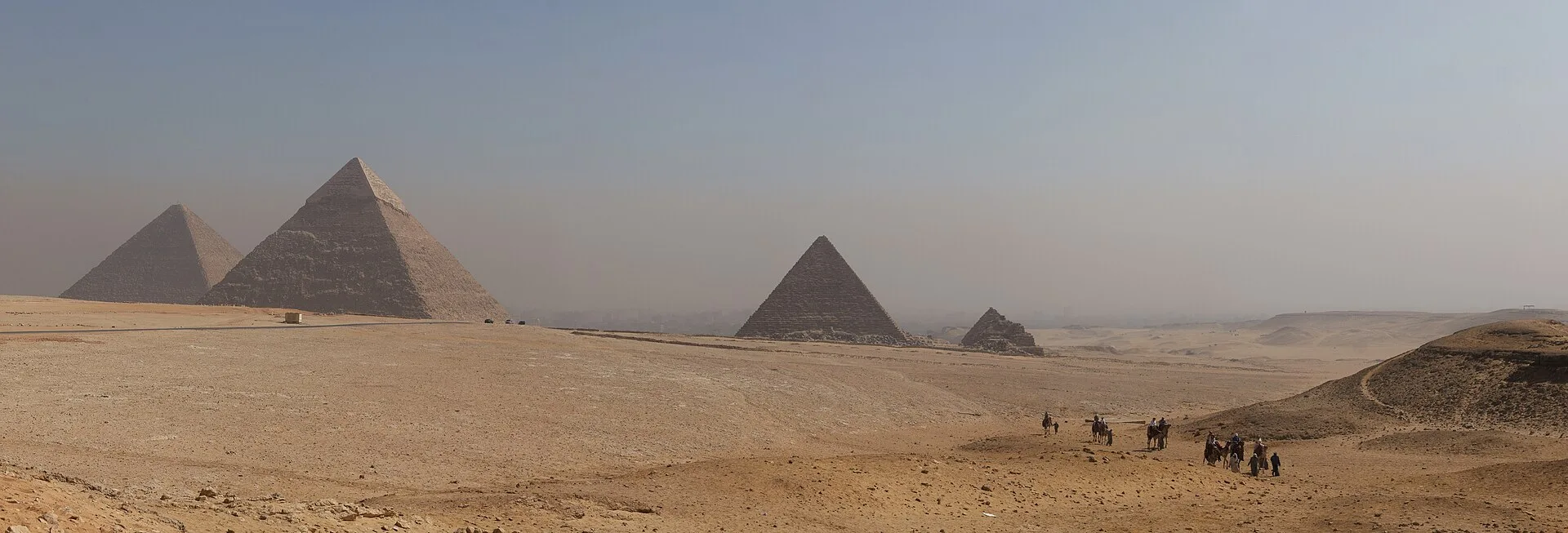
Several of our itineraries build Luxor into a wider trip rather than treating it as a stand-alone stop. The 5 Days Trip to Egypt: Cairo and Luxor pairs the Pyramids and the Grand Egyptian Museum with a flight to Luxor for the Valley of the Kings and the main East Bank temples, a compact way to see both ancient capitals without a long overland journey. The Pyramids and Nile Escape Program follows the same Cairo-to-Luxor route by domestic flight and adds nights in Cairo around it, avoiding long road or rail legs.
For travellers wanting to combine Luxor with time on the coast, From the Red Sea to the Nile links two nights in Hurghada with a four-night Nile cruise from Luxor to Aswan with a day trip from Aswan to Abu Simbel, before finishing in Cairo. Panda Travel Egypt can also build a Luxor-only stay around any of these programmes, with a licensed Egyptologist guide and private transport for both banks of the city. Browse the full range on our tours page or see the complete river itinerary options on our Nile cruises page before deciding how to fit Luxor into your trip.